Split's Palace Cellars: Giving Dragons a Physical World
Roman stone chambers provided the weight that a digital creature needs. Above them, the palace remains part of a living city.
Spoiler scope: Daenerys's dragon-confinement storyline in seasons 4–5.
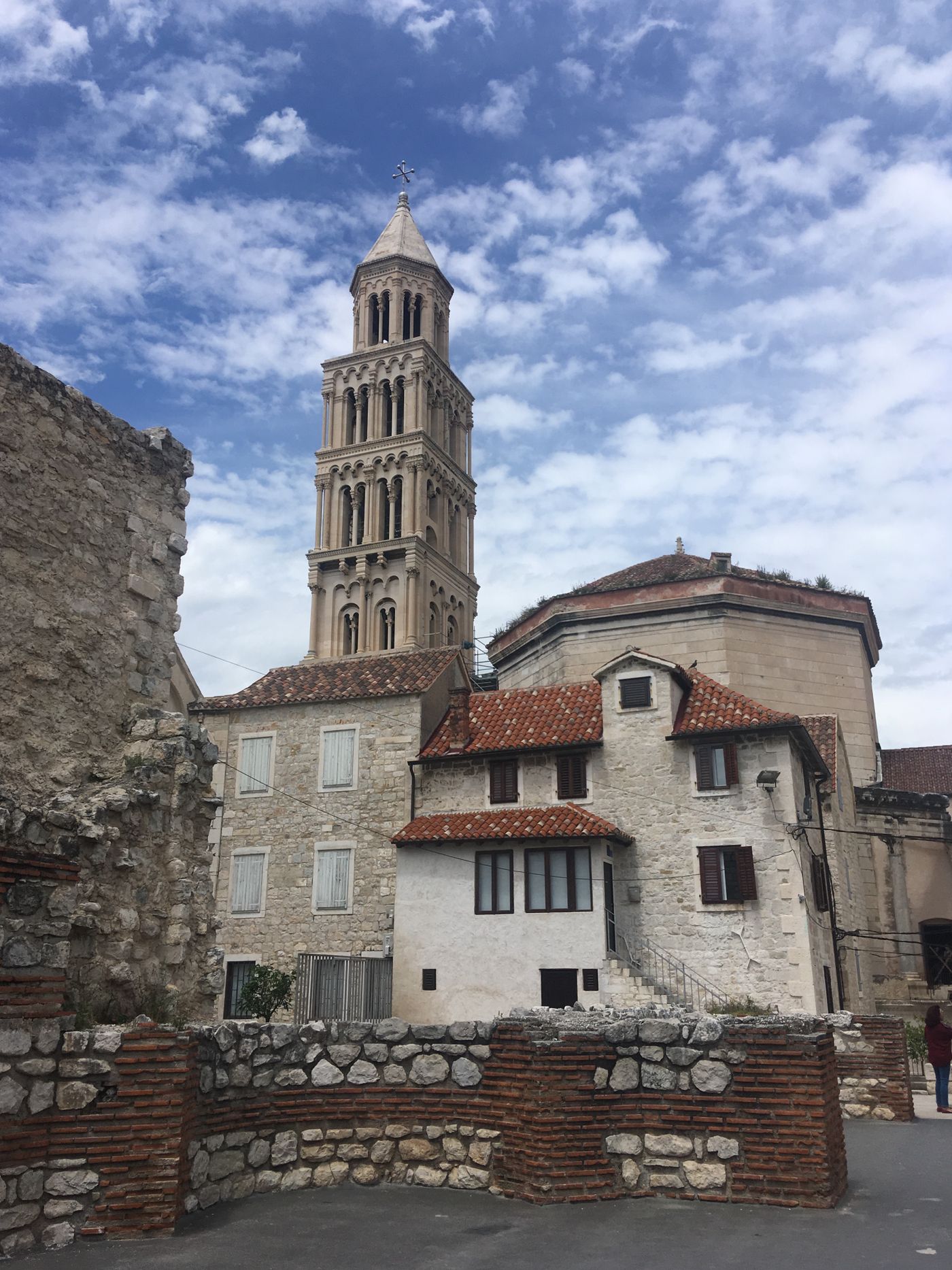
Real masonry, impossible occupants
The substructures of Diocletian's Palace in Split were used for scenes involving Daenerys's confined dragons. The regional tourist board identifies the cellars among the area's Game of Thrones locations. There are no real dragon remains to find, of course. What survives is the architecture that helped make an impossible creature appear to occupy a measurable, resistant space.
Stone has visible texture and weight. Arches suggest loads being carried; repeated chambers imply depth beyond the immediate shot. When a creature moves within such an environment, the surrounding surfaces give its size something to be compared against. The location supplies a physical argument for scale even when the creature itself is created through visual effects.
From support structure to prison
Calling the chambers dragon cellars describes their television role, not their original purpose. They belong to the Roman palace's substructures. Keep those two explanations separate when reading signs or listening to a tour: one concerns the building's construction and long history, the other concerns a much later use of its spaces by a production.
The dramatic interpretation is nevertheless worth examining. Daenerys's power becomes harder to romanticise when it has to be contained. A broad sky can make a dragon look like freedom; an enclosed stone chamber makes the relationship look more like custody. The same creature acquires a different meaning because the architecture changes the terms on which it can be seen.
Notice the transition between a passage and a larger chamber. A restricted view can delay recognition of what lies ahead. Darkness in a finished scene is also a deliberate photographic choice, not a guarantee that the visitor route will be lit identically. Rather than judging the real room against a screenshot's brightness, consider the structural features that remain legible under different conditions.
Plan two layers of the visit
Diocletian's Palace is embedded in Split's historic centre, not isolated behind the single entrance of a conventional museum. Walking through the surrounding streets and visiting a particular archaeological interior are different activities. Check the current visitor information for the substructures so that a stroll through the palace area does not accidentally replace the interior visit you intended.
Allow time above ground as well as below. The contrast is the point: ordinary city movement continues around monumental remains while the subterranean spaces preserve a different sense of enclosure. Keep entrances to homes and businesses clear when consulting a map. If using a guide, ask them to distinguish confirmed filming areas from a general Meereen atmosphere. A precise explanation of one chamber is more useful than having every attractive stone corner assigned a scene.
The cellars make fantasy feel heavy and enclosed; their Roman identity remains distinct from the dragon story filmed within them.
Another angle on the story.
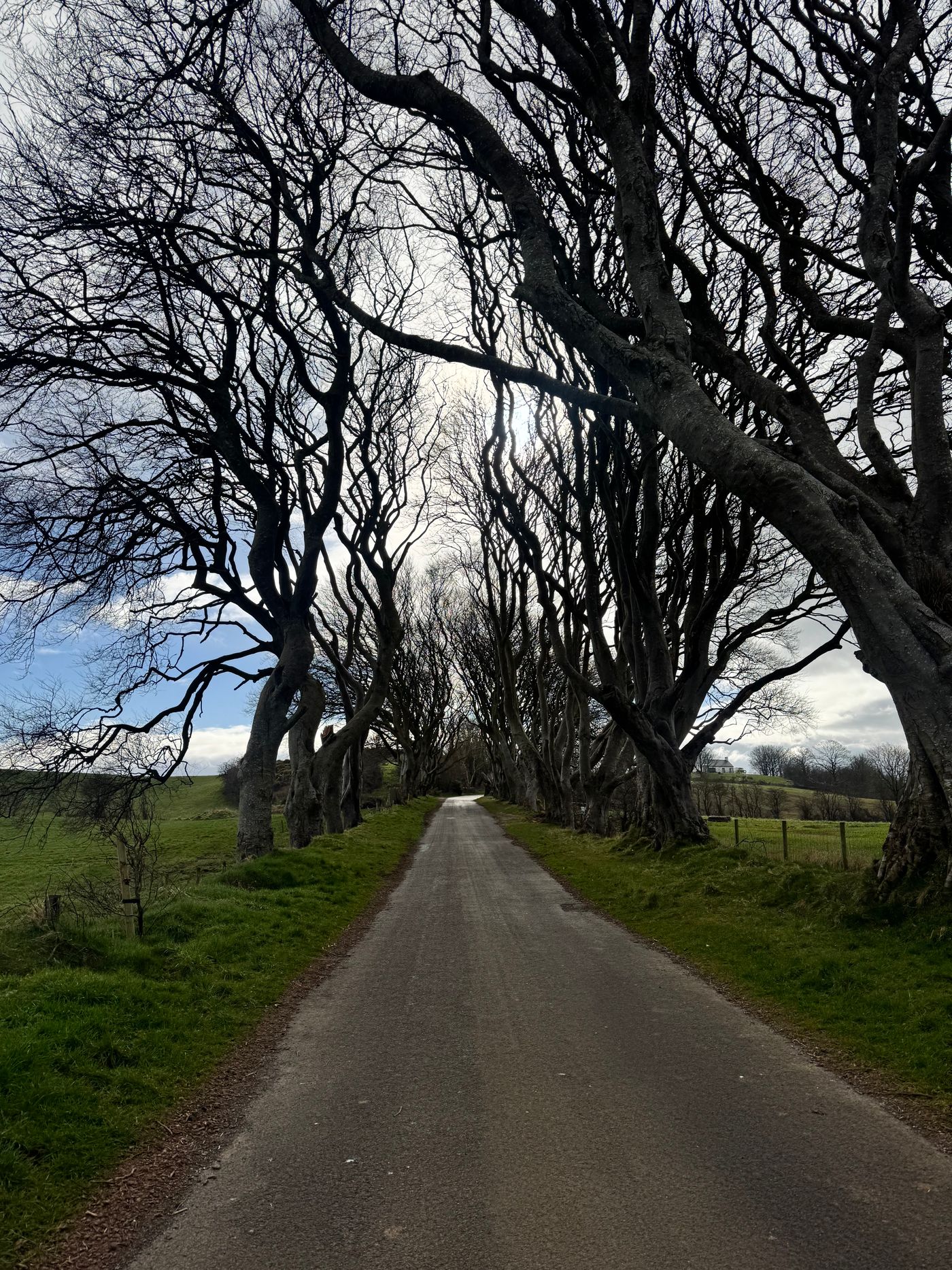
The Dark Hedges: A Road Between Two Worlds
The Kingsroad is a brief screen appearance. The real avenue rewards a slower look at its trees, perspective and vulnerability.
Read the essay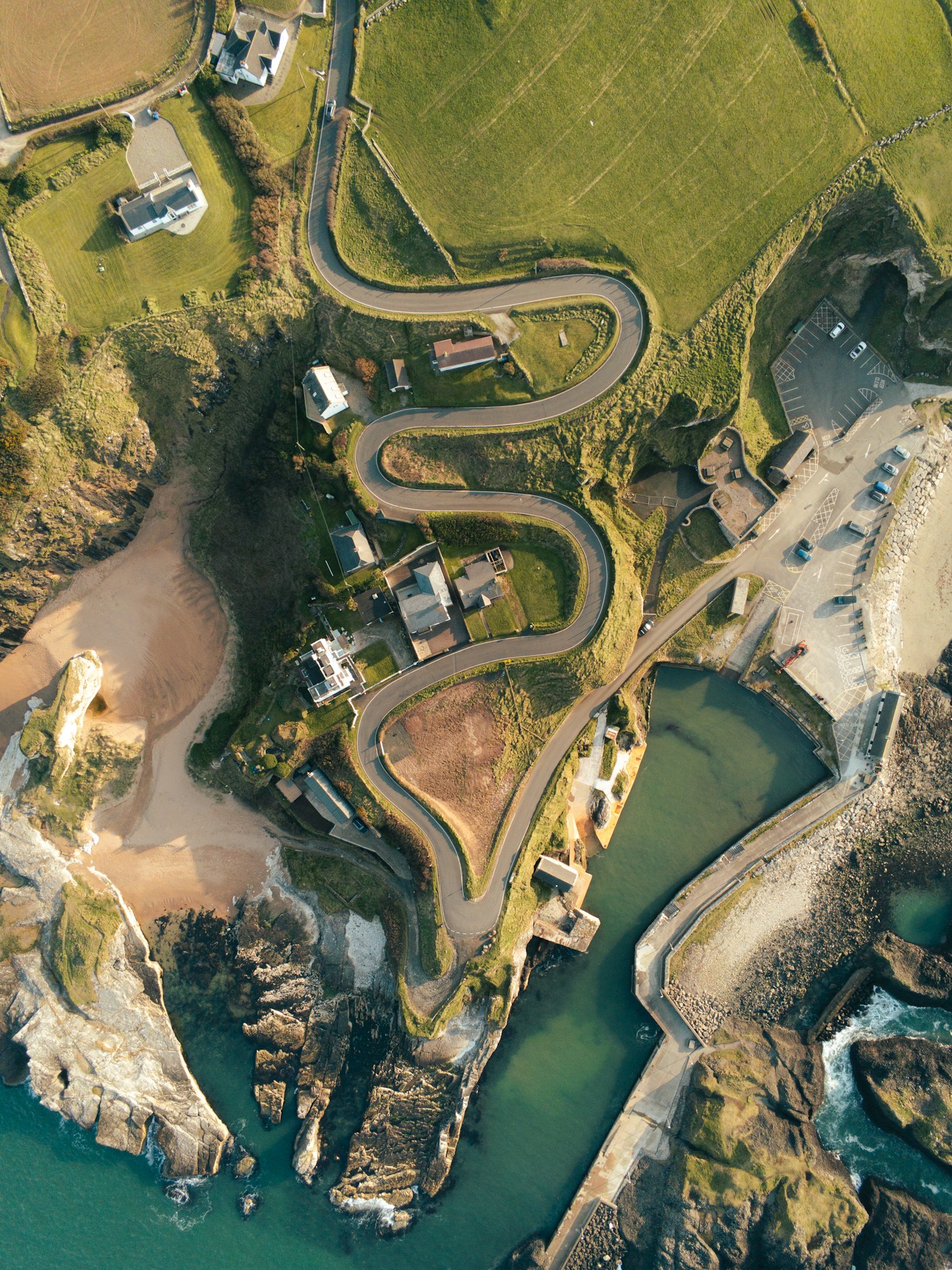
Ballintoy Harbour: The Iron Islands at Human Scale
A small harbour supplied a convincing arrival in the Iron Islands. Its enclosed water and exposed coast explain why.
Read the essay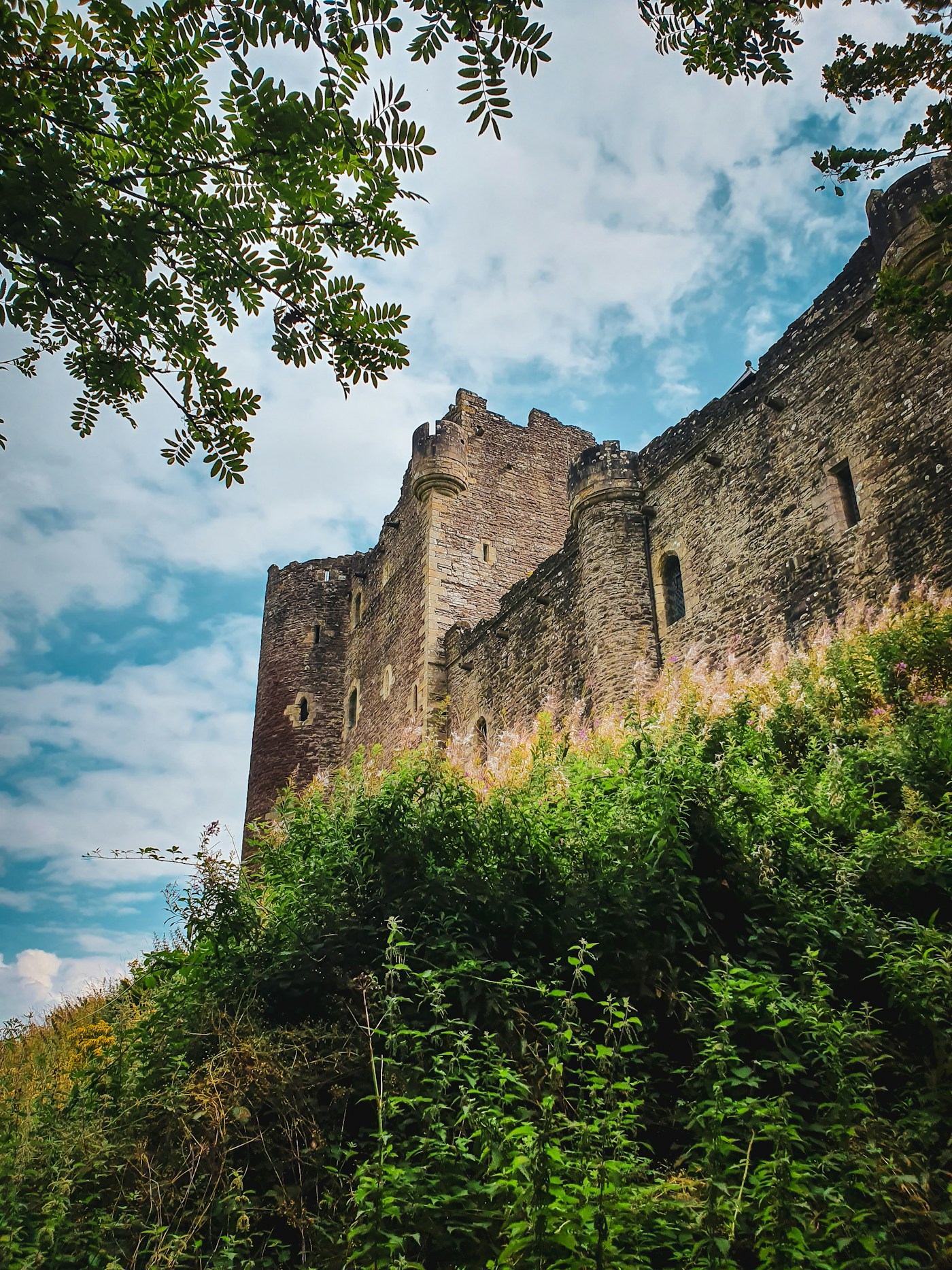
Doune Castle and the First Idea of Winterfell
The pilot connection matters, but this Scottish castle is not a complete model of the Winterfell seen throughout the series.
Read the essay