Ballintoy Harbour: The Iron Islands at Human Scale
A small harbour supplied a convincing arrival in the Iron Islands. Its enclosed water and exposed coast explain why.
Spoiler scope: Theon's return in season 2; no later outcomes.
An arrival that feels uncomfortable
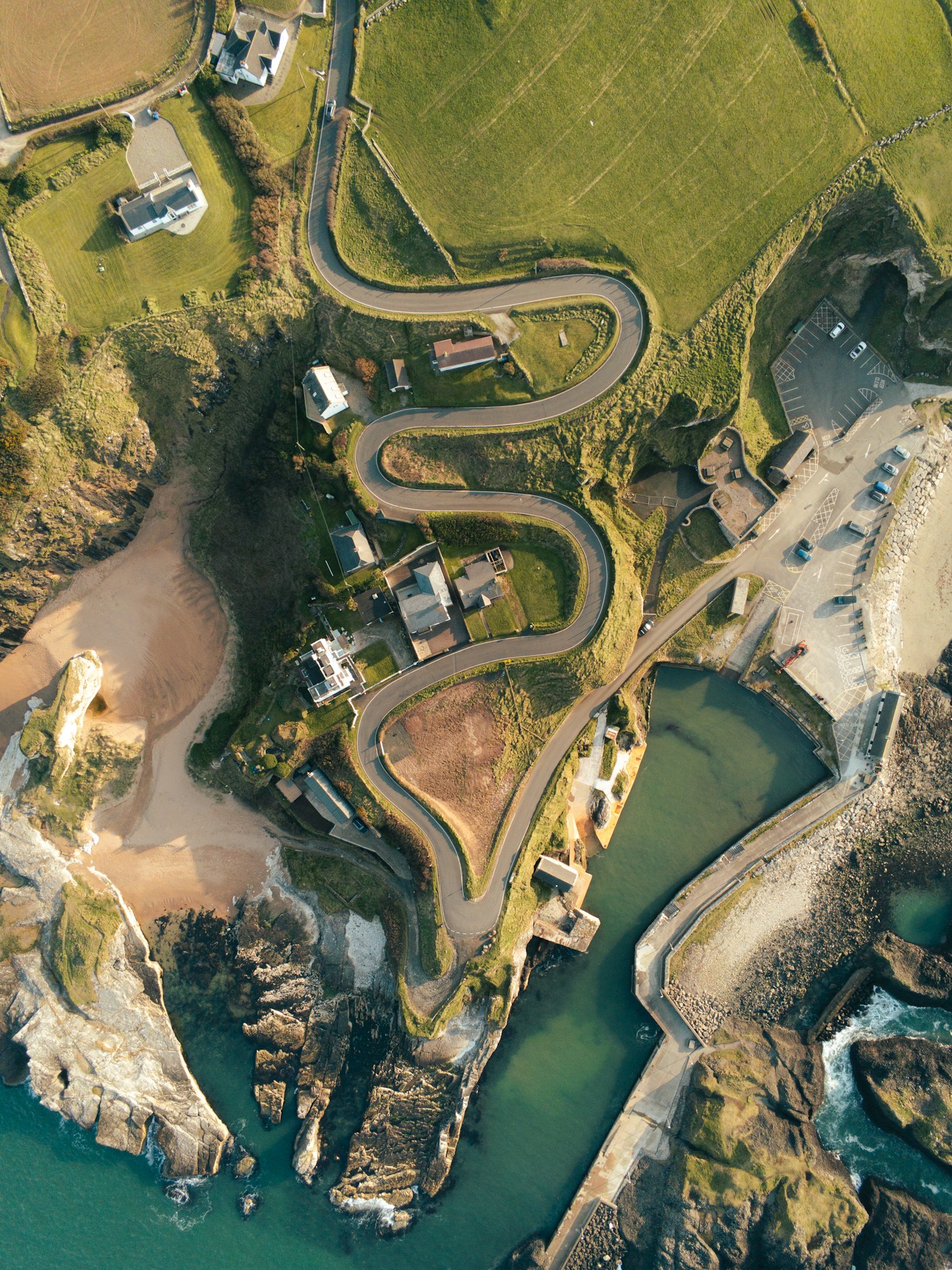
Ballintoy Harbour on Northern Ireland's Causeway Coast stood in for Lordsport on Pyke when Theon returned to the Iron Islands. The real harbour is considerably more intimate than the kingdom its screen appearance suggests. That difference is revealing: a location does not need to contain an entire fictional society to communicate its priorities. Boats, stone edges and the sea beyond can establish a world oriented towards maritime work.
Theon's journey is not simply a scenic homecoming. He arrives carrying expectations about how he should be received. Against a harbour that appears occupied with its own business, those expectations seem conspicuously personal. The setting gives his confidence something resistant to encounter. Reading the scene this way is an interpretation of its visual effect, not a claim about the filmmakers' private intentions.
Look at the boundary of sheltered water
On a visit, distinguish the protected harbour basin from the open coast. The change between them helps explain the location's usefulness: there is a recognisable point of arrival, but the wider environment remains exposed. A camera positioned close to the water can keep modern surroundings outside the frame and make the rocky shoreline dominate the impression.
The harbour in an ordinary daylight photograph is not a preserved television set. Production dressing, framing and the people placed within the shot contribute to what viewers remember. Instead of searching for every missing prop, compare the proportions of the space. How close are the boats to the stonework? Where does the eye find an exit? Which direction makes the settlement feel small against the sea?
Give the approach some thought
The regional tourism listing describes a small harbour reached from the village by a narrow, winding road. Check that listing and local signs before driving down; a route suitable for one vehicle is not an invitation to stop wherever a photograph looks promising. If walking from the village, remember that the return is part of the outing, not an incidental transfer after the harbour visit.
Keep harbour access clear and treat working areas as working areas. Rocks wet from spray are not viewing platforms, and a calm-looking basin does not describe conditions outside it. You can understand the composition from established visitor areas without climbing closer to breaking water. The most useful souvenir is a clearer distinction between Ballintoy itself and the fictional arrival that the series constructed from it.
Notice the contrast between a sheltered arrival point and an exposed coast: it does much of the harbour's storytelling.
Another angle on the story.
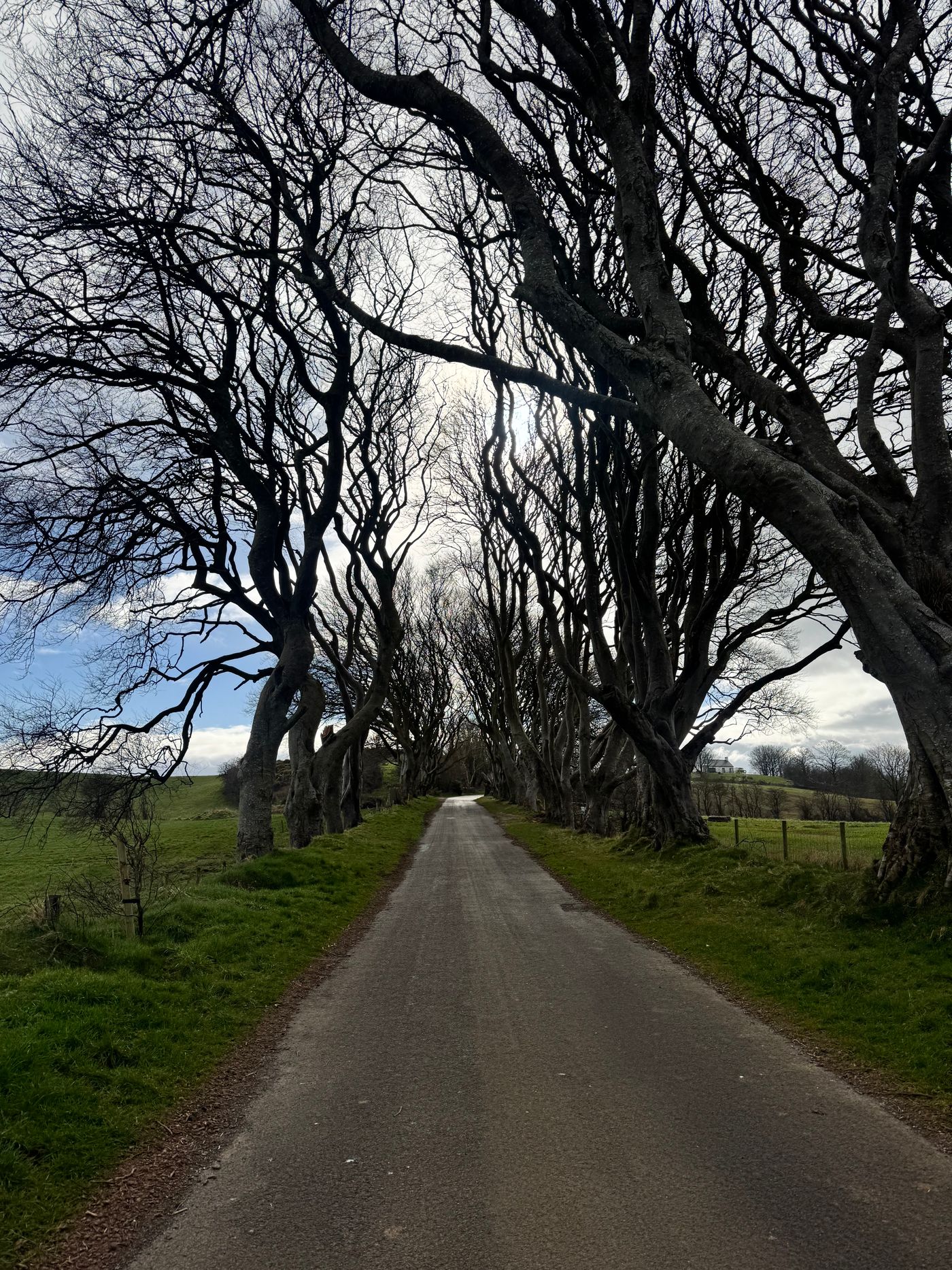
The Dark Hedges: A Road Between Two Worlds
The Kingsroad is a brief screen appearance. The real avenue rewards a slower look at its trees, perspective and vulnerability.
Read the essay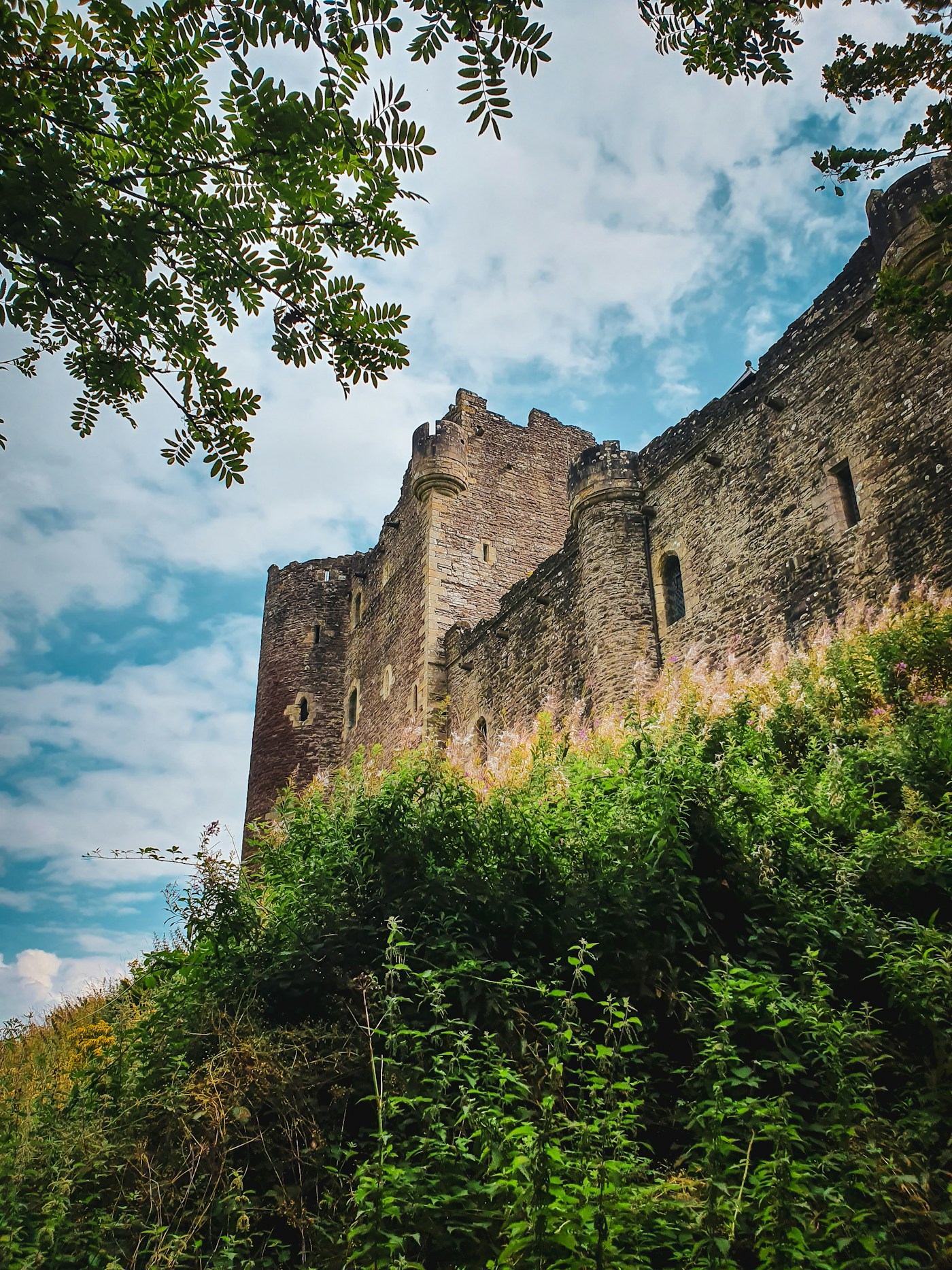
Doune Castle and the First Idea of Winterfell
The pilot connection matters, but this Scottish castle is not a complete model of the Winterfell seen throughout the series.
Read the essay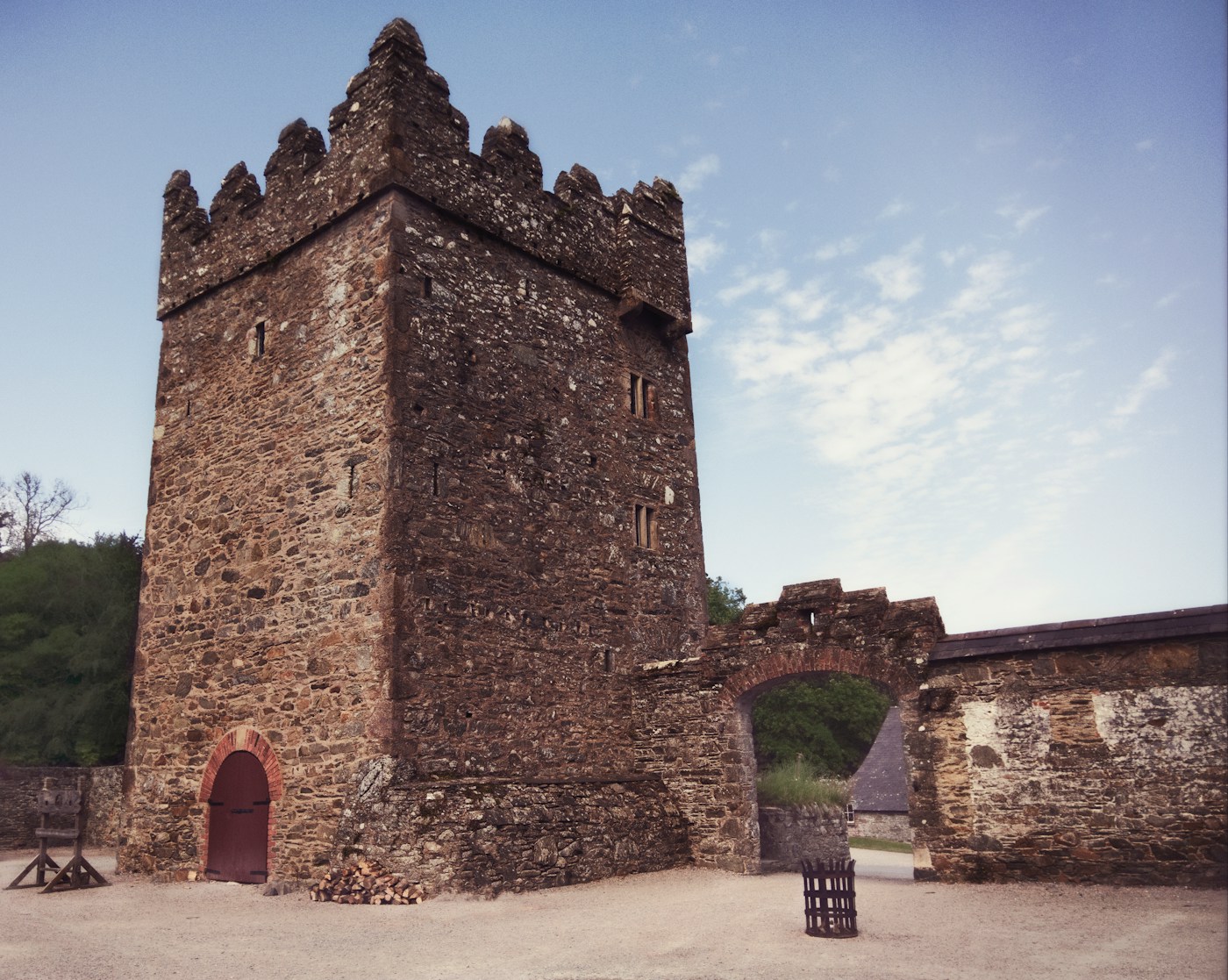
Castle Ward: Finding Winterfell Beneath the Effects
The historic farmyard, not the grand mansion, is the starting point for understanding how this estate became the Stark home.
Read the essay