The Dark Hedges: A Road Between Two Worlds
The Kingsroad is a brief screen appearance. The real avenue rewards a slower look at its trees, perspective and vulnerability.
Spoiler scope: Season 2 setting only; no major plot outcomes.
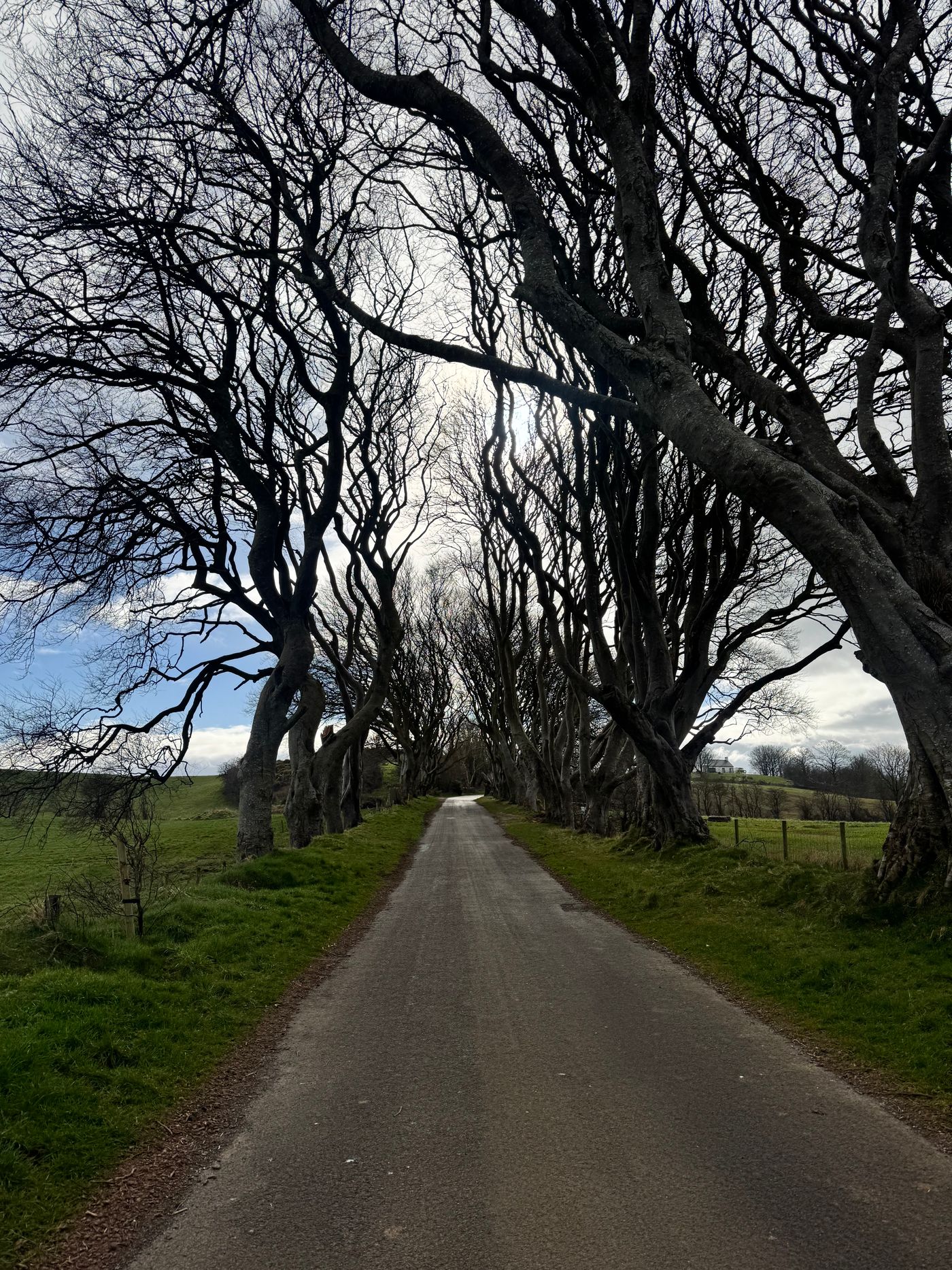
Recognising the road
The Dark Hedges in County Antrim supplied an instantly recognisable stretch of the Kingsroad in Game of Thrones. It is tempting to describe the avenue as a ready-made fantasy set, but its effect comes from something more specific: trees repeatedly interrupting an ordinary road. Trunks stand like columns, branches close the space above them, and the vanishing point encourages the eye to imagine somewhere beyond the visible end.
For a traveller in the story, that combination can make a road feel like a threshold. It is still a route people use, rather than a magical portal. Yet passing beneath the canopy separates one stage of a journey from another. The location demonstrates how a camera can give narrative significance to a landscape without requiring a monumental building.
A photograph is not the whole avenue
The widely reproduced view compresses distance. A long lens can stack trunks together until the road appears enclosed by a nearly continuous tunnel. Walking the avenue reveals gaps, changing light and irregular spaces between the trees. Neither experience is false, but they are different. Try looking back after a short walk rather than treating the first familiar camera angle as the only worthwhile view.
Season, weather and tree condition alter the scene. Do not expect a production image, an old photograph and the present landscape to match branch for branch. Living locations change. For photography, a person at a respectful distance can show scale; standing on roots or crossing barriers to remove other visitors from a frame is not a reasonable trade.
Plan around a living place
Check the current visitor guidance from the local tourism authority before travelling, particularly for parking, road access and weather-related restrictions. Build the visit around designated access rather than a navigation app's promise of the shortest drive. Trees can require maintenance, and conditions that look atmospheric in photographs may not be safe for lingering beneath branches.
Allow room for people who are visiting for reasons other than television. Keep vehicles out of restricted sections, avoid blocking the road while photographing, and do not pick bark or branches as souvenirs. These are practical ways to preserve the very quality that made the avenue useful on screen: a place that feels established rather than manufactured.
Pairing the visit with another nearby stop can make sense, but resist turning the day into a race between scene locations. The most revealing question here is visual: what does the enclosure of this road make you anticipate? Looking at the actual landscape, then recalling its short appearance, reveals how much storytelling comes from framing and movement rather than scenery alone.
Visit for the avenue itself, then notice how its natural perspective became a narrative threshold.
Another angle on the story.
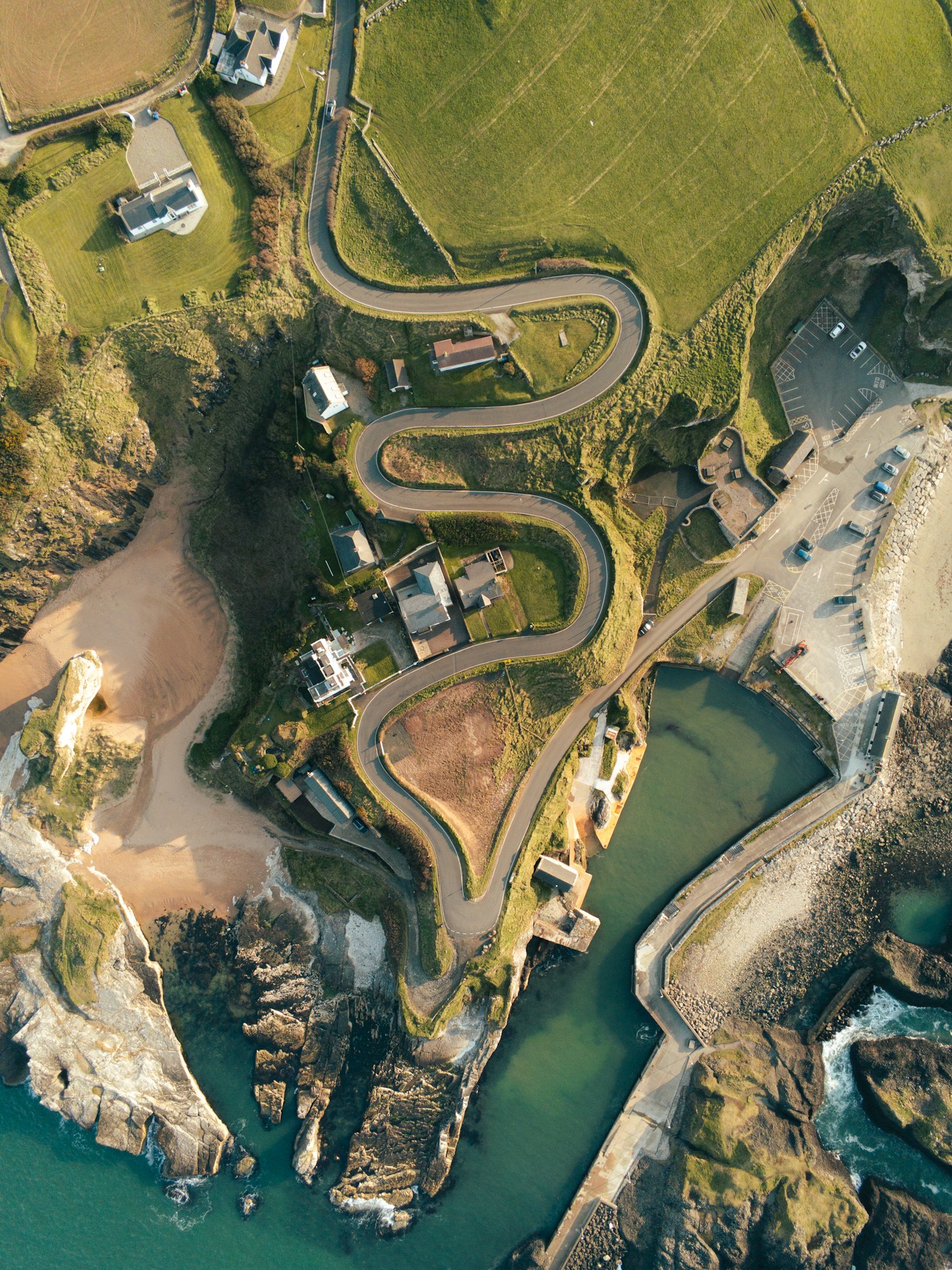
Ballintoy Harbour: The Iron Islands at Human Scale
A small harbour supplied a convincing arrival in the Iron Islands. Its enclosed water and exposed coast explain why.
Read the essay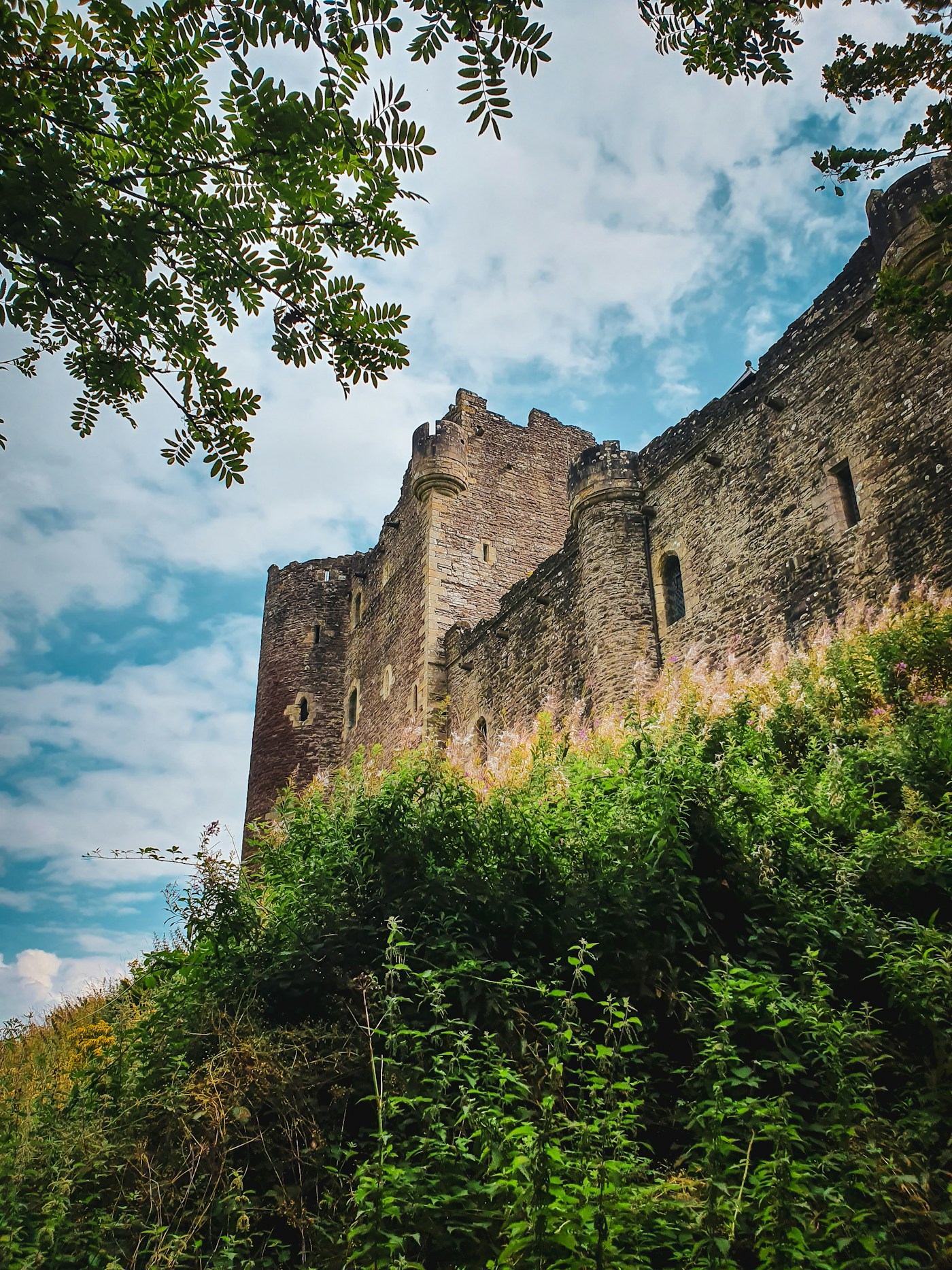
Doune Castle and the First Idea of Winterfell
The pilot connection matters, but this Scottish castle is not a complete model of the Winterfell seen throughout the series.
Read the essay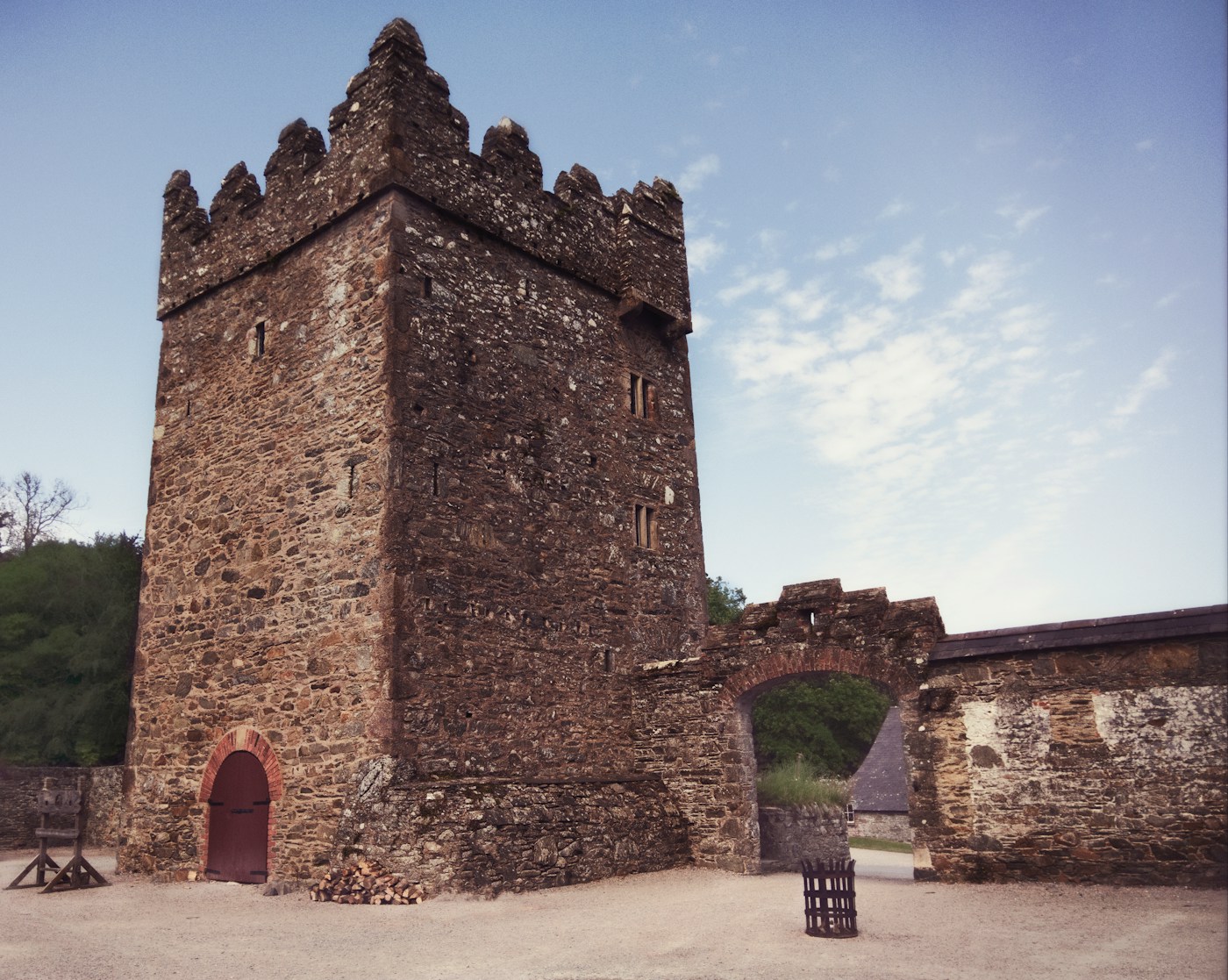
Castle Ward: Finding Winterfell Beneath the Effects
The historic farmyard, not the grand mansion, is the starting point for understanding how this estate became the Stark home.
Read the essay