Doune Castle and the First Idea of Winterfell
The pilot connection matters, but this Scottish castle is not a complete model of the Winterfell seen throughout the series.
Spoiler scope: Production background only.
Be precise about the connection
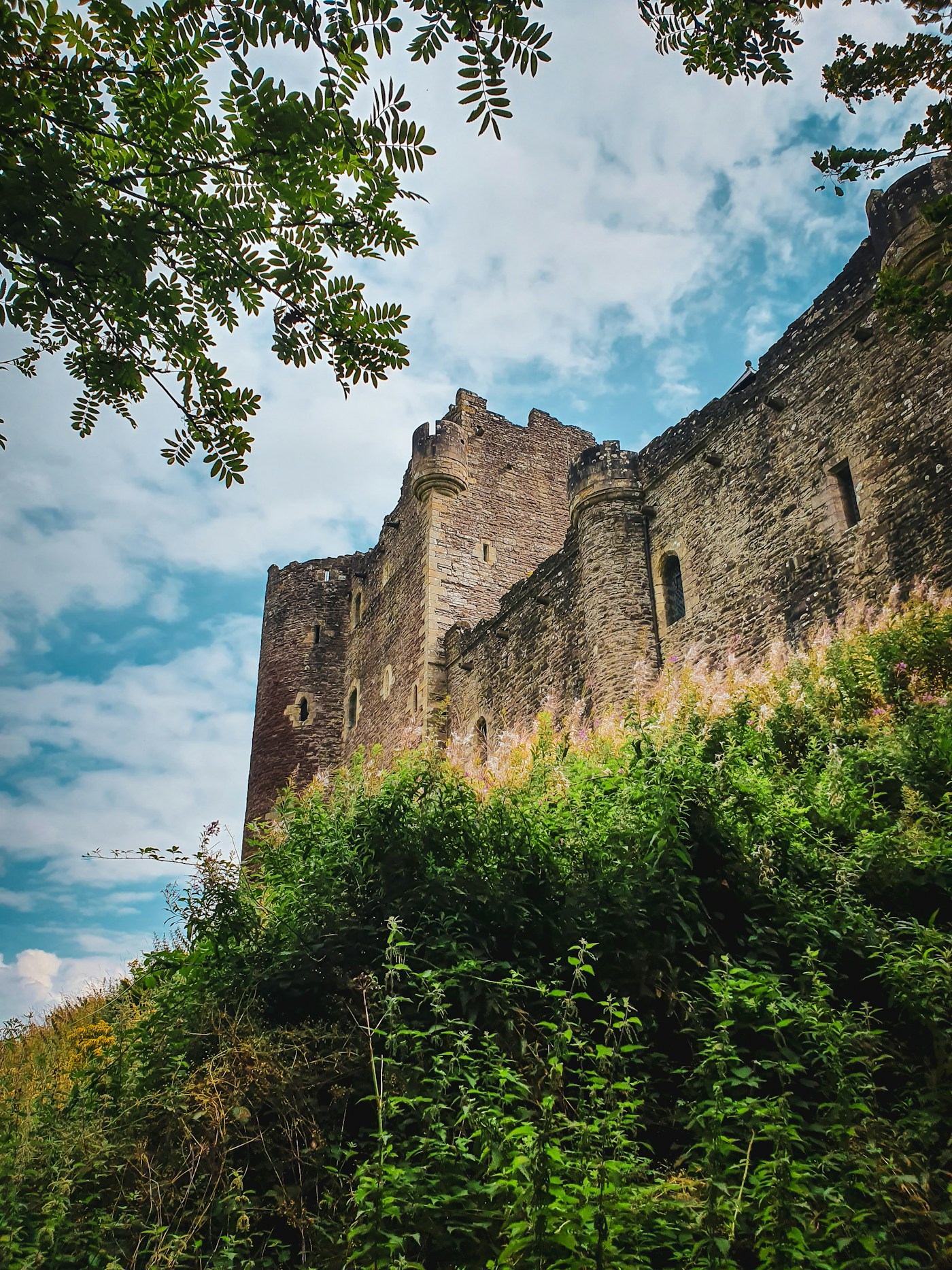
Doune Castle in Scotland was used as Winterfell for the Game of Thrones pilot. Historic Scotland's screen-location material identifies that connection, alongside the castle's other film and television roles. The important word is pilot. Calling Doune the permanent home of television's Winterfell would collapse a more complicated production history into an appealing but misleading label.
A fictional building can be assembled from several places, built scenery and visual effects. Continuity is what the audience experiences, not necessarily what the production physically possesses. Doune is therefore best approached as part of the early search for Winterfell's architectural character. There is no need to promise an exact match for every courtyard or room remembered from later seasons.
A residence inside a defensive envelope
The castle's substantial stone walls communicate protection before a visitor has examined any detail. Yet a stronghold also needs to be a household. Moving attention from the outer mass to windows, doorways and internal spaces changes the questions: who is admitted, who waits, and which activities happen within sight of authority? Those are useful questions for reading Winterfell, where family life and government repeatedly share the same space.
This is a visual comparison rather than an equation between Scottish history and Westerosi politics. The real building has its own chronology, patrons and uses. Its surviving fabric deserves attention even when a particular corner has no television association. Following the site's interpretation can make the comparison more interesting by revealing what a fantasy narrative borrows, compresses or ignores.
Try sketching a simple relationship between entrance, courtyard and larger rooms after the visit. It need not be a measured plan. The point is to remember how movement feels constrained or released. That spatial memory is often more informative than collecting a series of isolated door photographs with fictional labels attached.
Plan for the building, not just the photograph
Use Historic Environment Scotland's current visitor page for admission arrangements, closures and access information. Historic castles can involve changes of level and restricted areas; check the details that matter to your party rather than assuming that exterior access guarantees access to every interior. Allow time for the interpretation as well as the familiar silhouette.
Doune also has strong associations with Monty Python and the Holy Grail and Outlander. Other visitors may be following entirely different screen memories through the same spaces. That overlap is a useful reminder of the building's versatility: stone does not arrive with a single genre attached. Lighting, performance and narrative context can turn the same physical structure into very different imagined homes.
Treat Doune as a pilot-era Winterfell location with a substantial history of its own, not as a replica of the entire screen castle.
Another angle on the story.
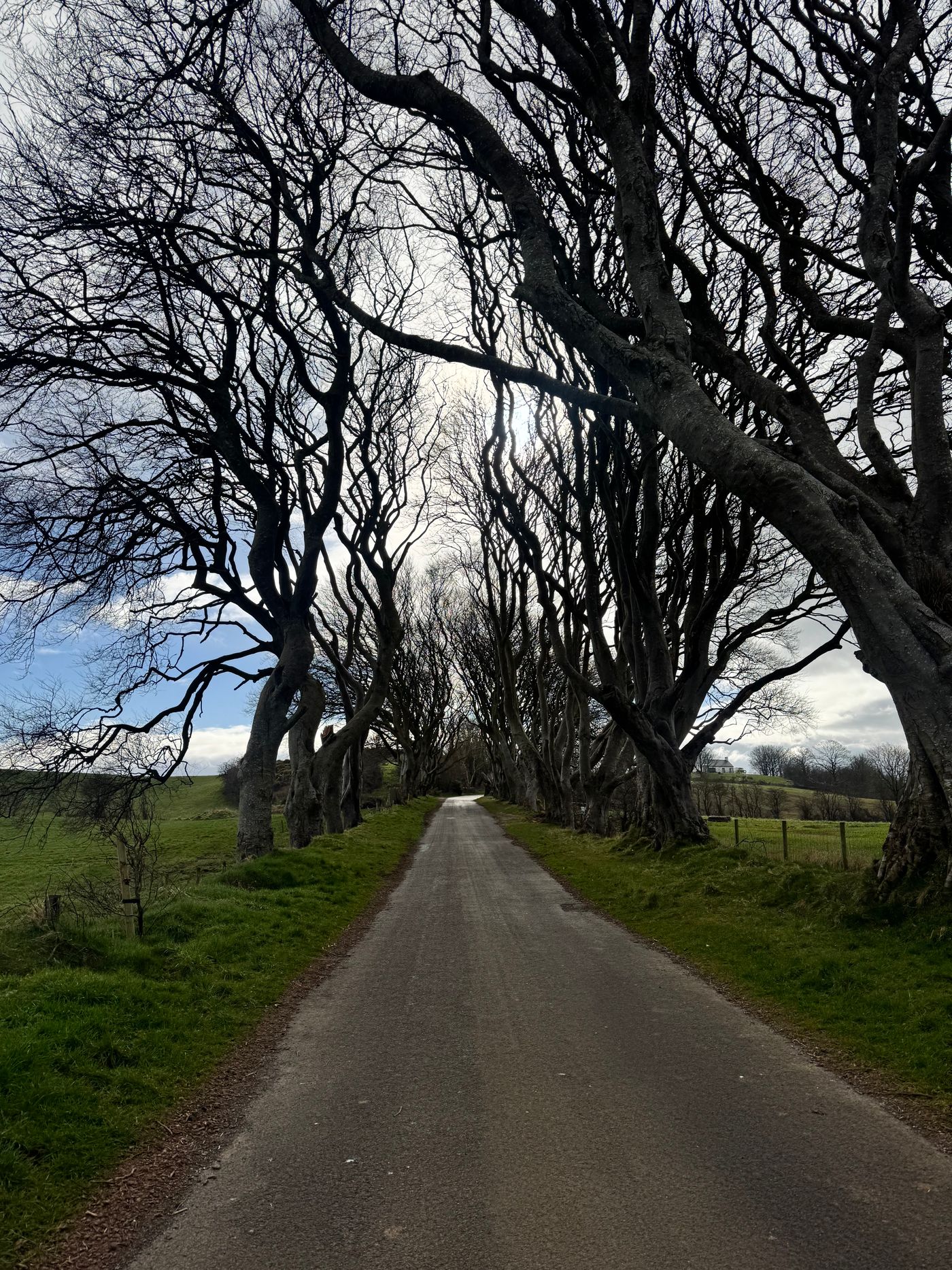
The Dark Hedges: A Road Between Two Worlds
The Kingsroad is a brief screen appearance. The real avenue rewards a slower look at its trees, perspective and vulnerability.
Read the essay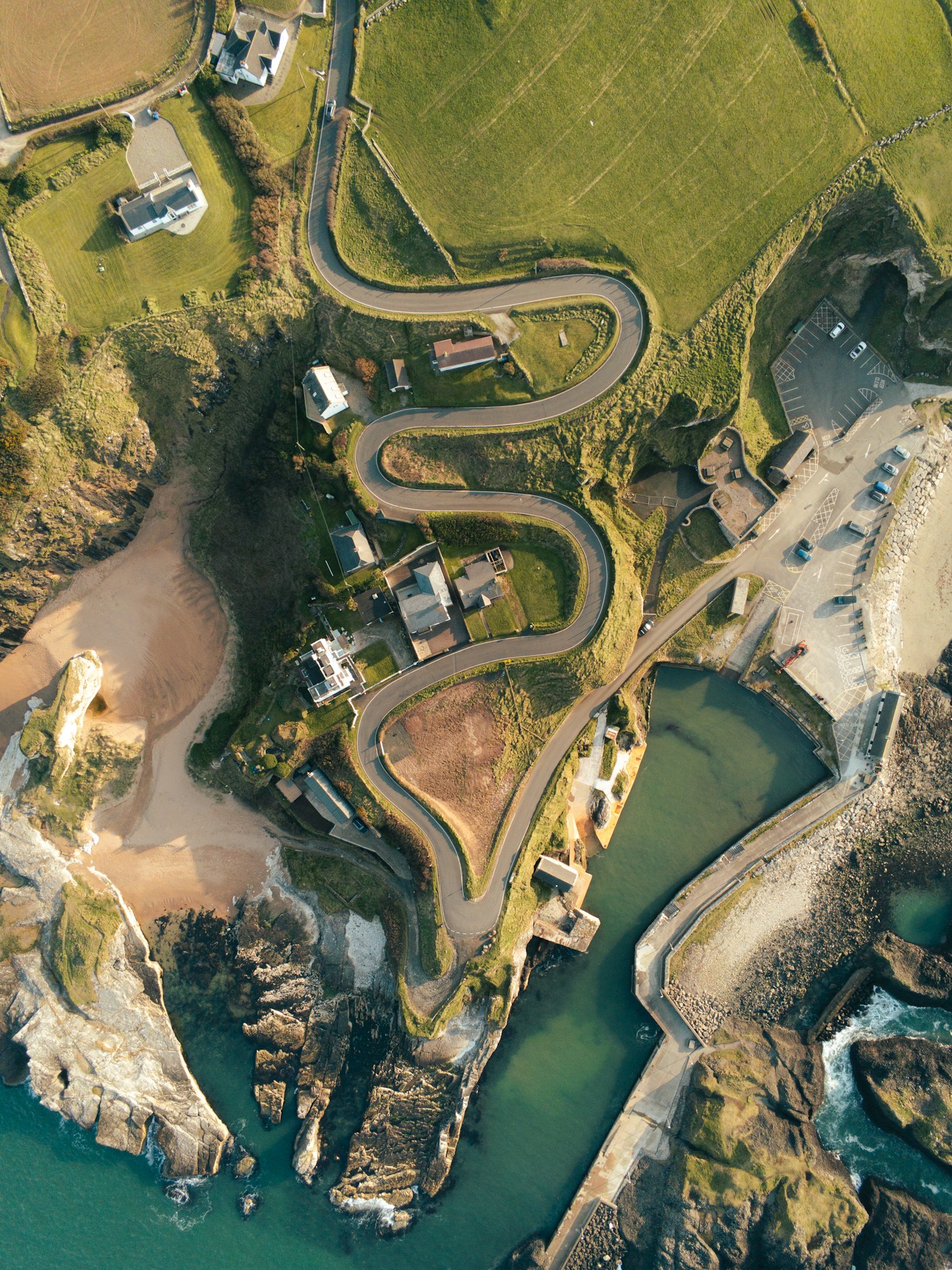
Ballintoy Harbour: The Iron Islands at Human Scale
A small harbour supplied a convincing arrival in the Iron Islands. Its enclosed water and exposed coast explain why.
Read the essay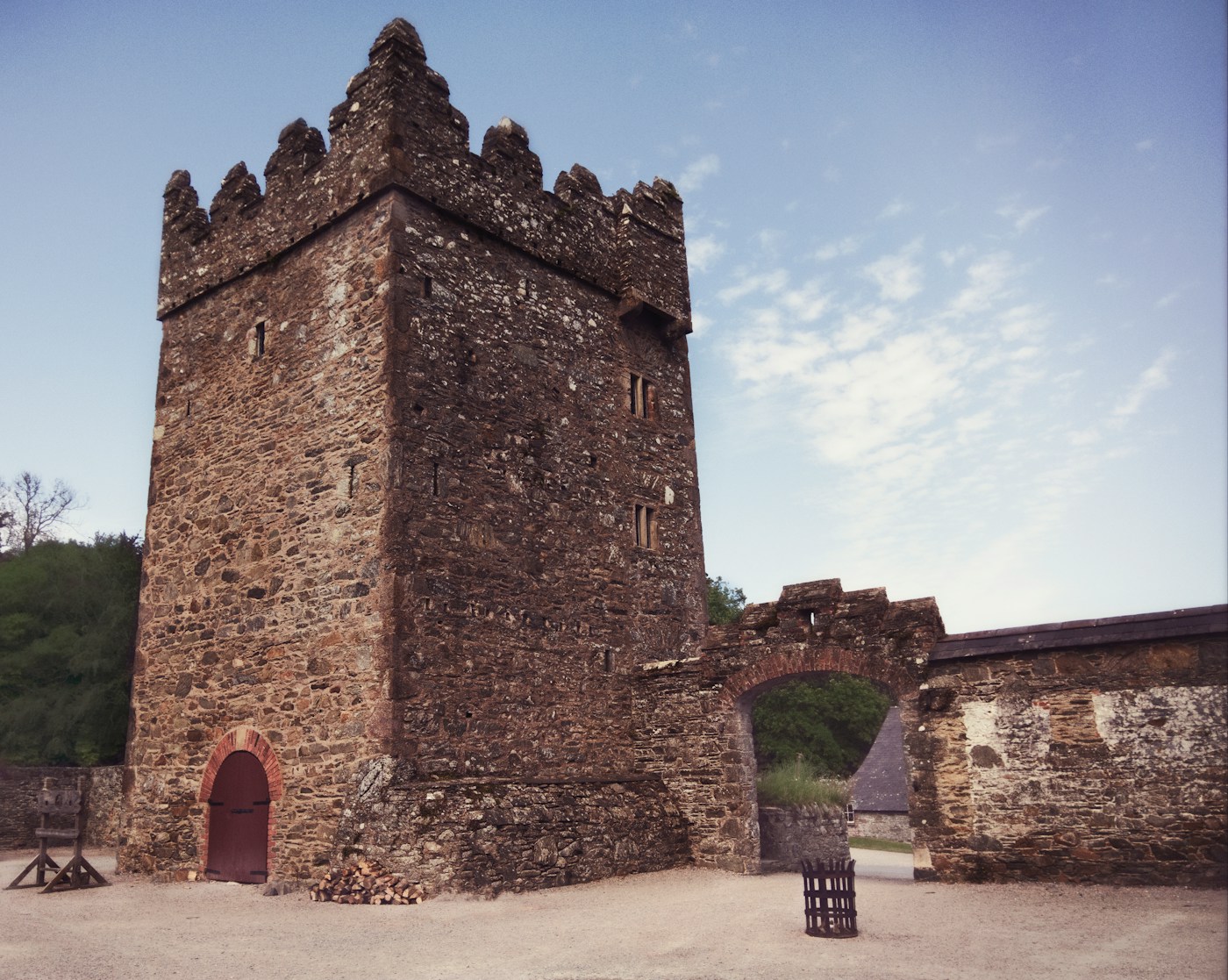
Castle Ward: Finding Winterfell Beneath the Effects
The historic farmyard, not the grand mansion, is the starting point for understanding how this estate became the Stark home.
Read the essay