The Alcázar of Seville: Dorne's Language of Shade and Water
The Water Gardens look different from the northern strongholds for a reason: power is staged through cultivation rather than bare stone alone.
Spoiler scope: Dornish settings from season 5; no character outcomes.
Recognising the Water Gardens
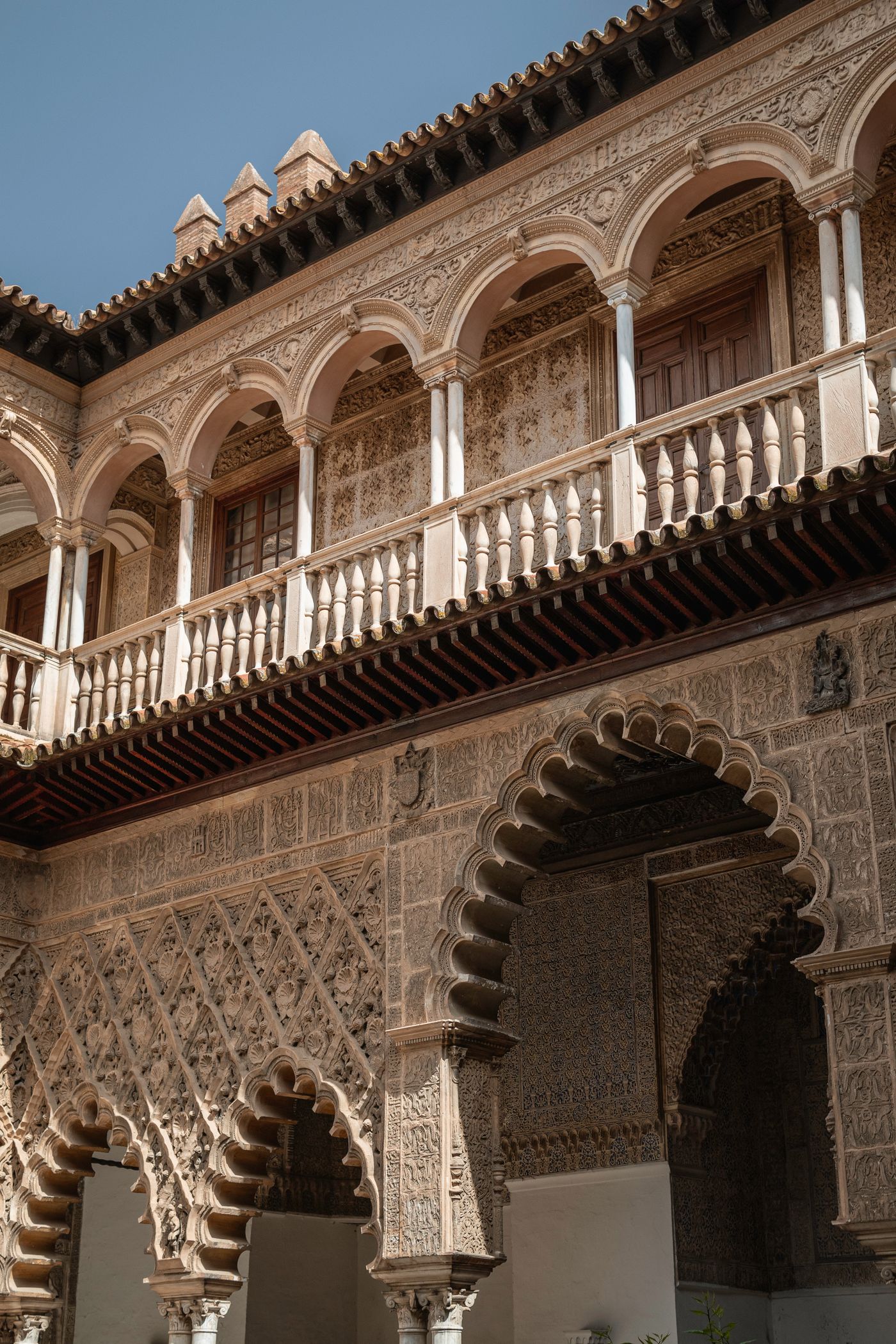
The Real Alcázar in Seville supplied the Water Gardens of Dorne for Game of Thrones. Spain's official tourism material identifies that connection. Its architecture and gardens give the Dornish scenes a visual vocabulary that differs from the exposed coastlines and severe northern strongholds elsewhere in the series. Ornament, planting, shade and water suggest a different way of inhabiting power.
This does not mean the palace is a complete physical version of fictional Dorne. A region on screen is assembled through selected views, other locations and production choices. Nor should the real monument be understood solely as a television setting. Its layered architecture has a historical meaning that no fictional family can adequately stand in for.
Cultivation can be a display of authority
A maintained garden is not the absence of political power. It can be evidence of resources, labour and control over a difficult environment. In the Dornish scenes, the cultivated setting makes a useful contrast with the threat contained in conversation. Beauty does not settle the disagreement; it creates a composed surface against which the disagreement can become more pronounced.
Watch how people occupy the space. A seated figure and an approaching visitor do not necessarily share the same degree of control, even when neither is surrounded by obvious military equipment. The arrangement of paths and shaded stopping places can make an encounter feel formal without enclosing everyone in a throne room. Architecture establishes positions before dialogue explains them.
On a visit, examine the relationship between an opening, the light beyond it and the ornament around it. A photograph containing all three can show how the eye is directed through the building. The richly patterned surface is not merely background decoration: it changes the pace at which a viewer looks, inviting attention to detail rather than only to mass and height.
A palace visit needs a real admission plan
Confirm current ticketing and entry arrangements through the monument's official channels, reached from the city or national tourism information. Be careful with sites whose names resemble the attraction but sell third-party tours. Check which areas are included and whether your chosen entry time leaves enough room for both architecture and gardens.
The shade that looks inviting on screen is also a practical consideration in Seville. Plan around the conditions on the day rather than a fantasy of spending the entire visit in the exact light of a favourite scene. Follow the visitor route and any photography restrictions; planted areas and water features are not props for reenactment. You will gain more by noticing how the palace manages transitions between shelter and openness than by rushing between supposed camera positions.
Look beyond decoration: shade, water and controlled movement help the Water Gardens express a distinctive form of courtly power.
Another angle on the story.
The Dark Hedges: A Road Between Two Worlds
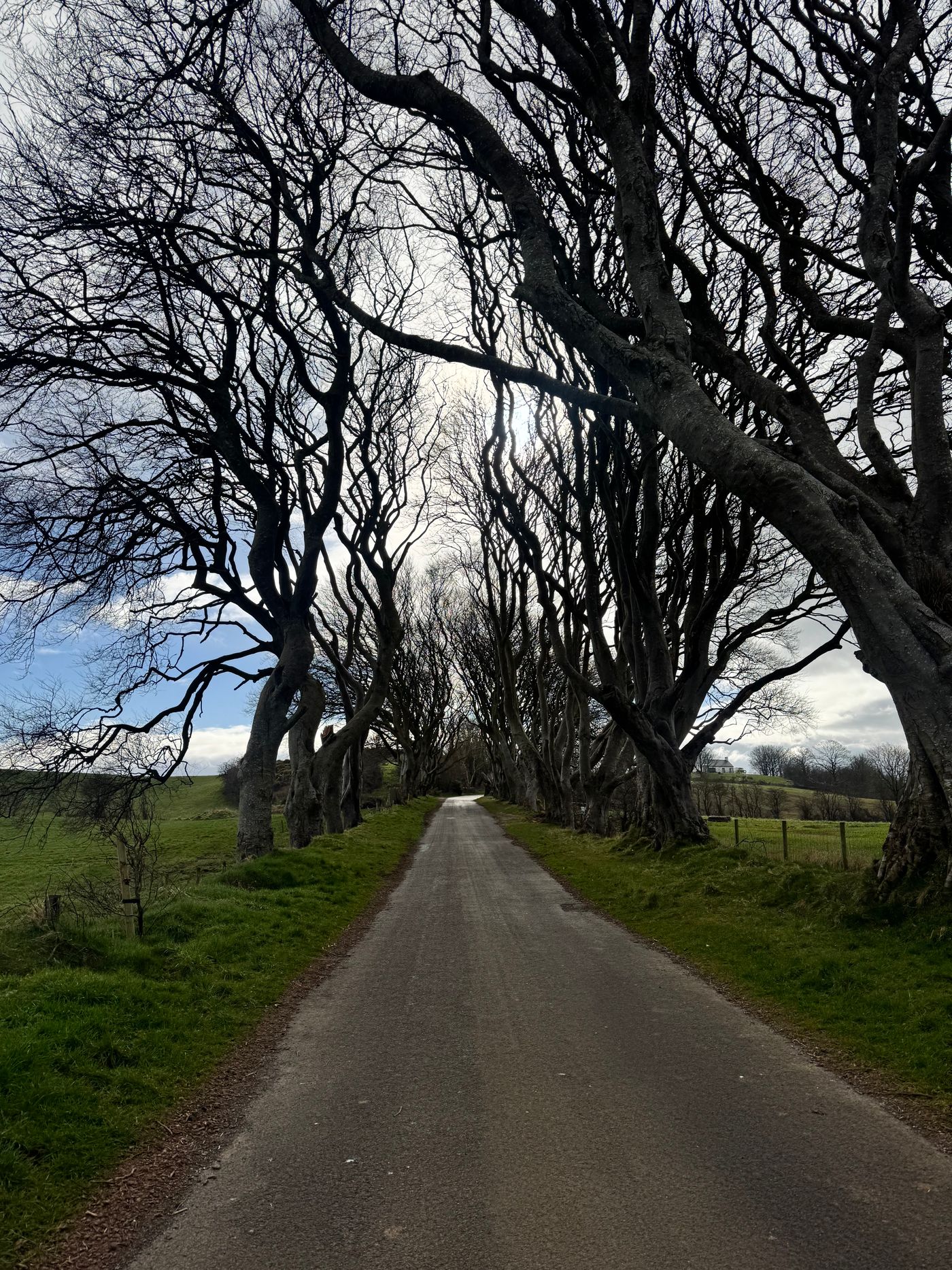
The Kingsroad is a brief screen appearance. The real avenue rewards a slower look at its trees, perspective and vulnerability.
Read the essay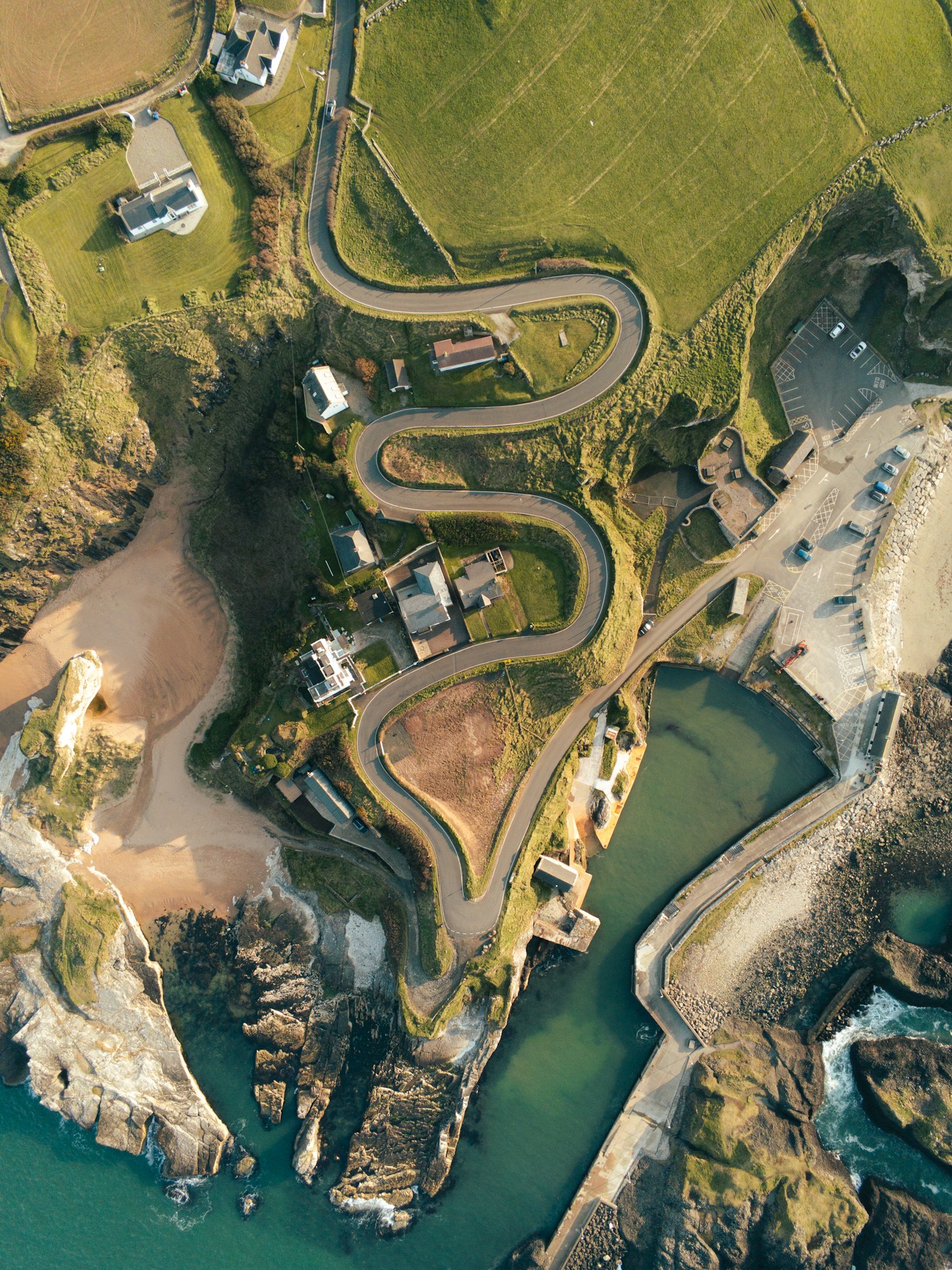
Ballintoy Harbour: The Iron Islands at Human Scale
A small harbour supplied a convincing arrival in the Iron Islands. Its enclosed water and exposed coast explain why.
Read the essay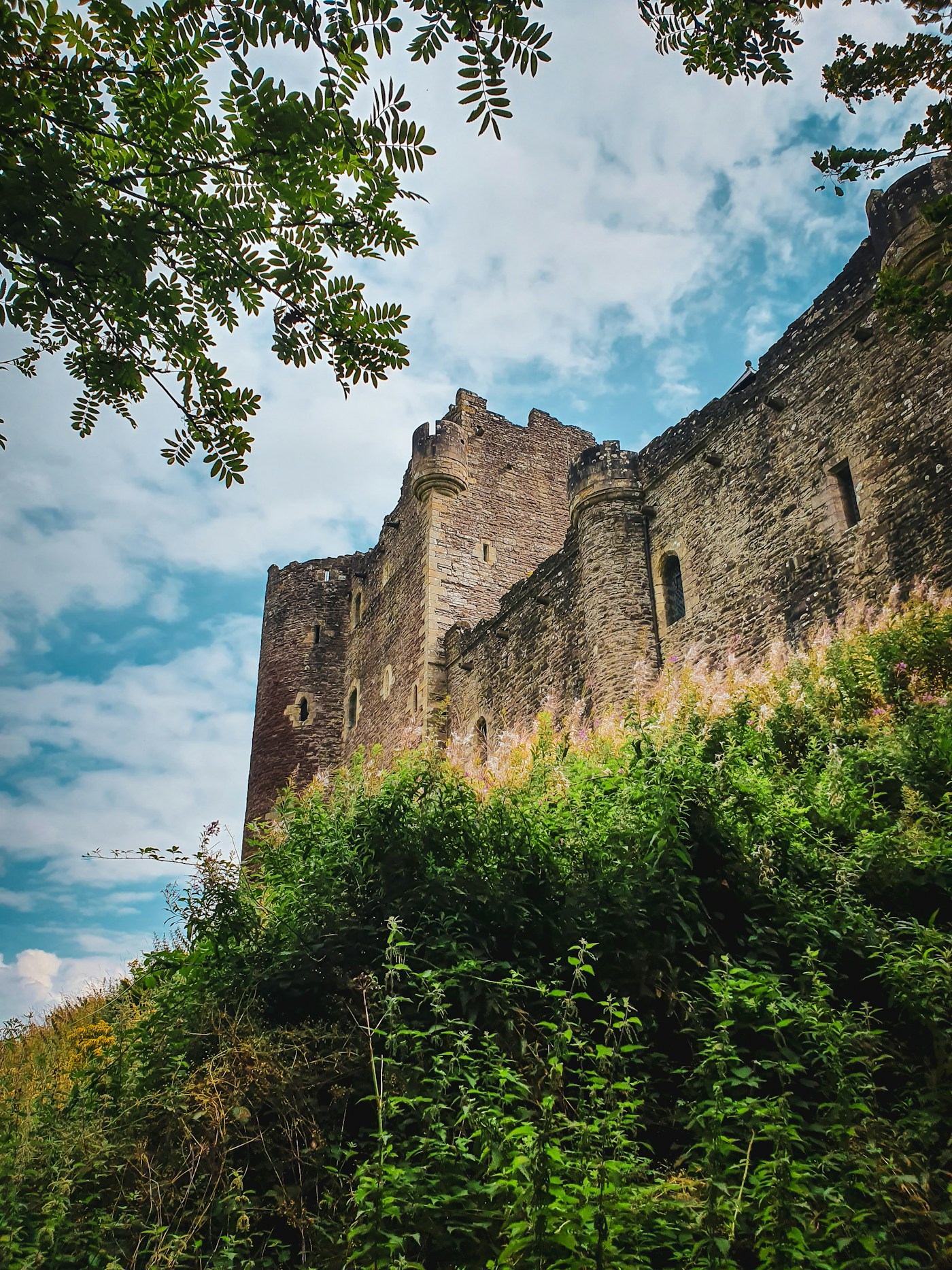
Doune Castle and the First Idea of Winterfell
The pilot connection matters, but this Scottish castle is not a complete model of the Winterfell seen throughout the series.
Read the essay