Castle Ward: Finding Winterfell Beneath the Effects
The historic farmyard, not the grand mansion, is the starting point for understanding how this estate became the Stark home.
Spoiler scope: Season 1 setting and production background.
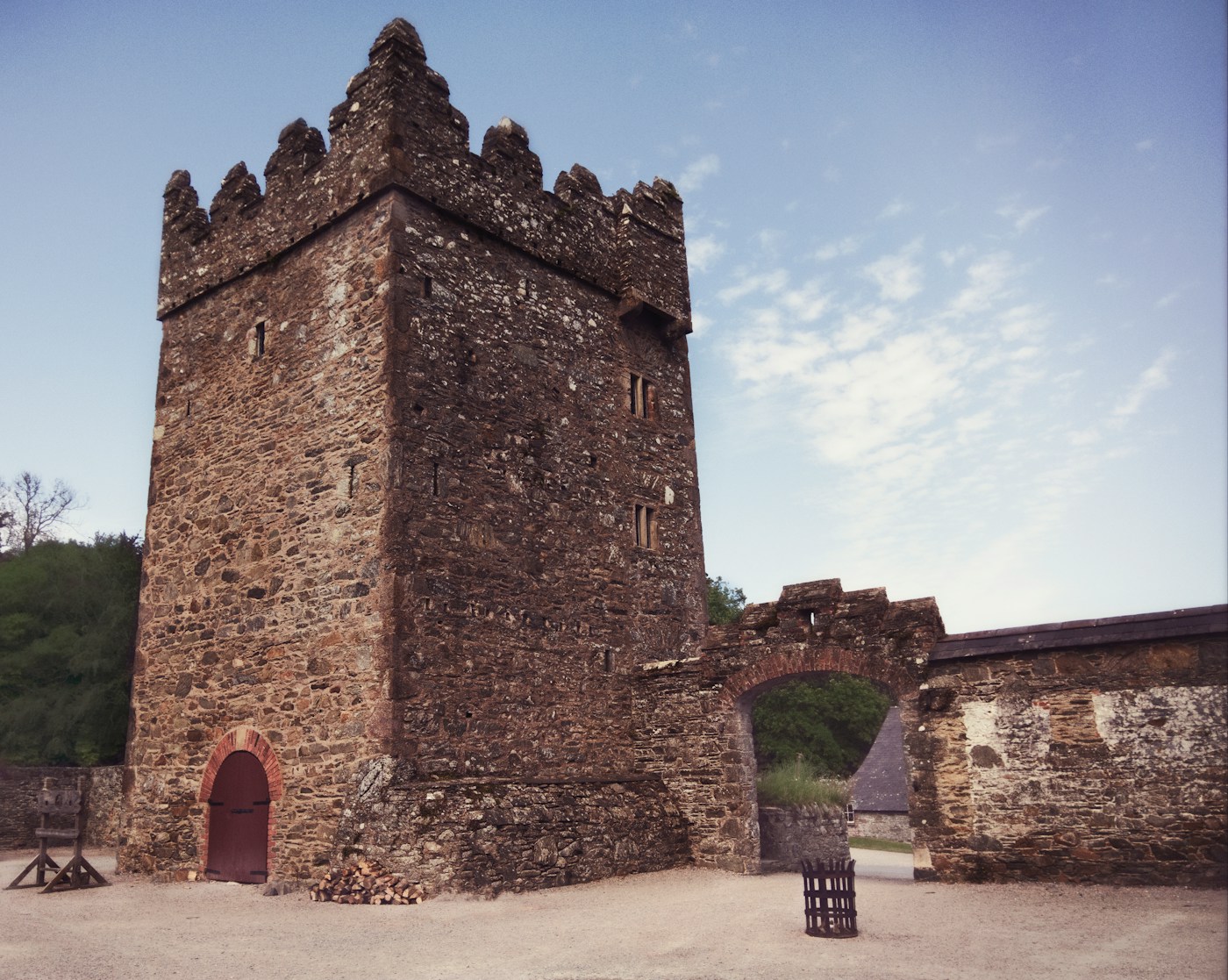
Start at the right part of the estate
Castle Ward is an estate on Strangford Lough in County Down, and its historic farmyard supplied parts of Winterfell in the first season of Game of Thrones. That distinction matters. A photograph of the estate's mansion does not automatically show the Stark household's screen residence. The relevant connection is the farmyard and the production built around it.
The National Trust describes extensive preparation at the site and a substantial contribution from computer-generated imagery. The finished Winterfell was therefore neither a wholly invented digital object nor an unchanged historic courtyard. It joined tangible surfaces with constructed and digital additions. Recognising that combination makes the location more interesting, not less authentic.
How a working yard becomes a family stage
A yard permits several activities to occupy one visual field. Someone can practise, watch, arrive or interrupt without the scene having to move to another room. In the early Stark material, that openness helps establish relationships through proximity. Family members belong to the same household but do not occupy equivalent positions within it.
Look at the tower, the enclosing buildings and the spaces between entrances. These are useful anchors for comparing the real site with screen memory. Then notice what a single view cannot explain. The apparent size of the fictional stronghold, its skyline and its connections to other rooms cannot all be recovered by walking around the present yard.
This is also a good place to resist treating a filming-location visit as a puzzle with one correct photograph. A slightly wider view can reveal how production selected its boundaries. The ordinary edge of a frame may be precisely where the fantasy begins to depend on another technique. Looking for that edge teaches more about screen space than trying to erase every sign of the current visitor experience.
Leave room for the estate's own story
The National Trust's current Castle Ward page should guide practical arrangements, including which buildings and routes are available. Consult its filming-location information to distinguish confirmed connections from names attached to commercial tours. An estate visit and a separately operated themed activity are not necessarily the same booking, so check inclusions before paying for anything.
If the farmyard is your main interest, identify its position on the visitor map rather than heading automatically towards the largest house. Then consider exploring beyond the television connection. The estate's landscape and architecture belong to a history that predates the production and continues after it. Respecting that history means using the designated routes and accepting that conservation or ordinary site operations may take precedence over recreating a favourite shot.
The result can be a more satisfying visit: a chance to understand how a recognisable home was manufactured from real stone, temporary work and images added later, while still seeing the place that made that construction possible.
The farmyard is real; the complete Winterfell skyline is a production. Look for the relationship between them.
Another angle on the story.
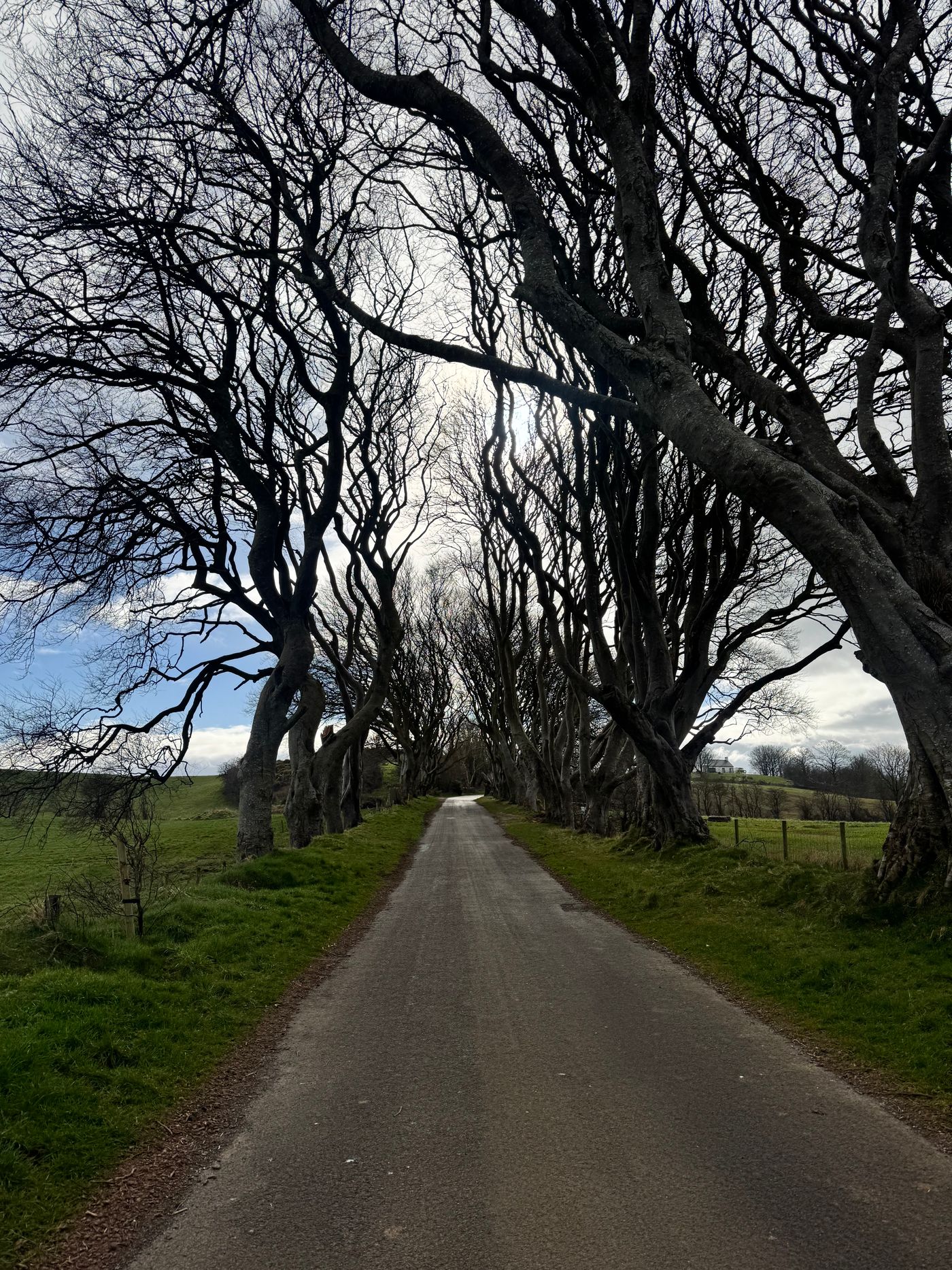
The Dark Hedges: A Road Between Two Worlds
The Kingsroad is a brief screen appearance. The real avenue rewards a slower look at its trees, perspective and vulnerability.
Read the essay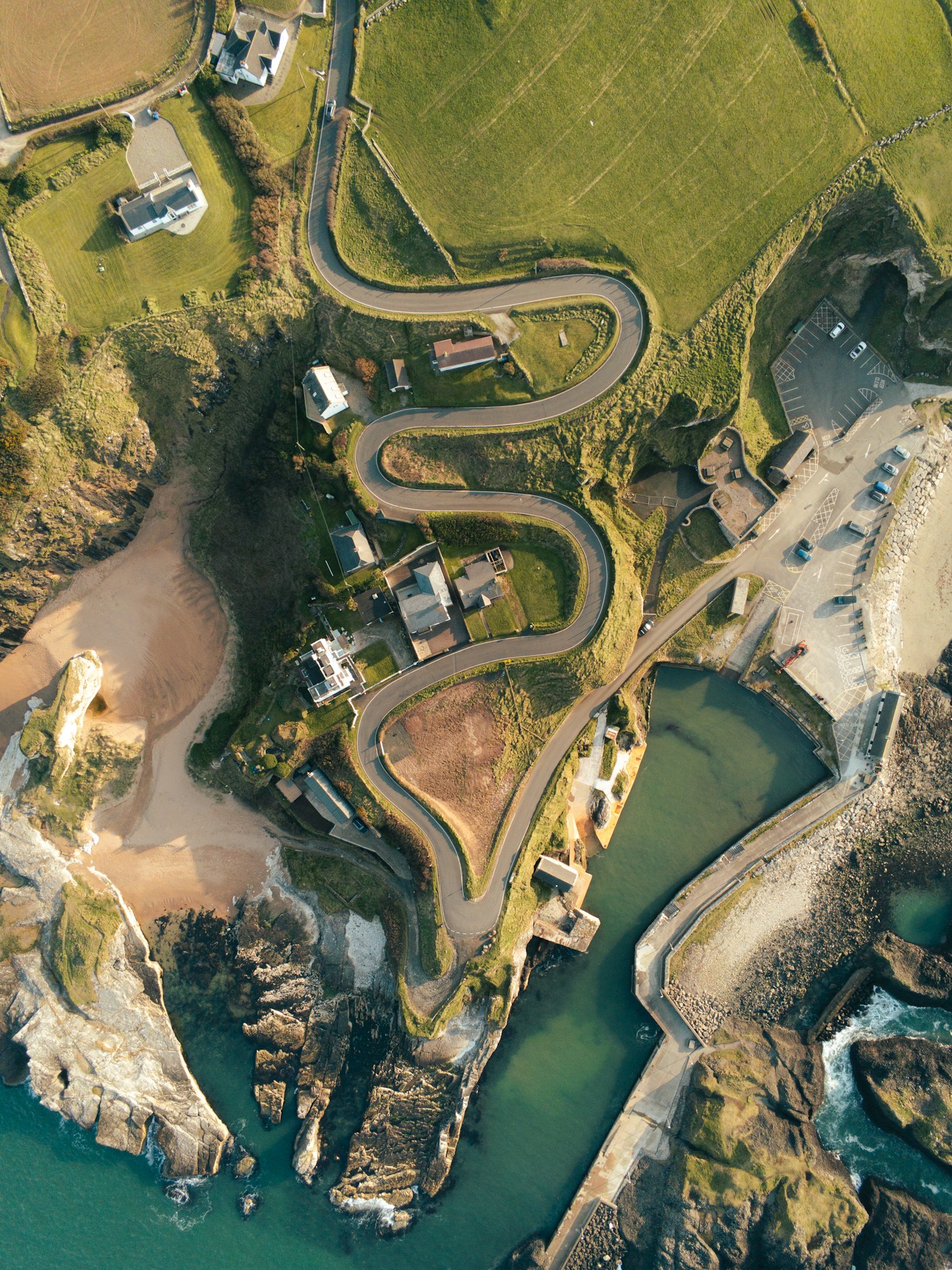
Ballintoy Harbour: The Iron Islands at Human Scale
A small harbour supplied a convincing arrival in the Iron Islands. Its enclosed water and exposed coast explain why.
Read the essay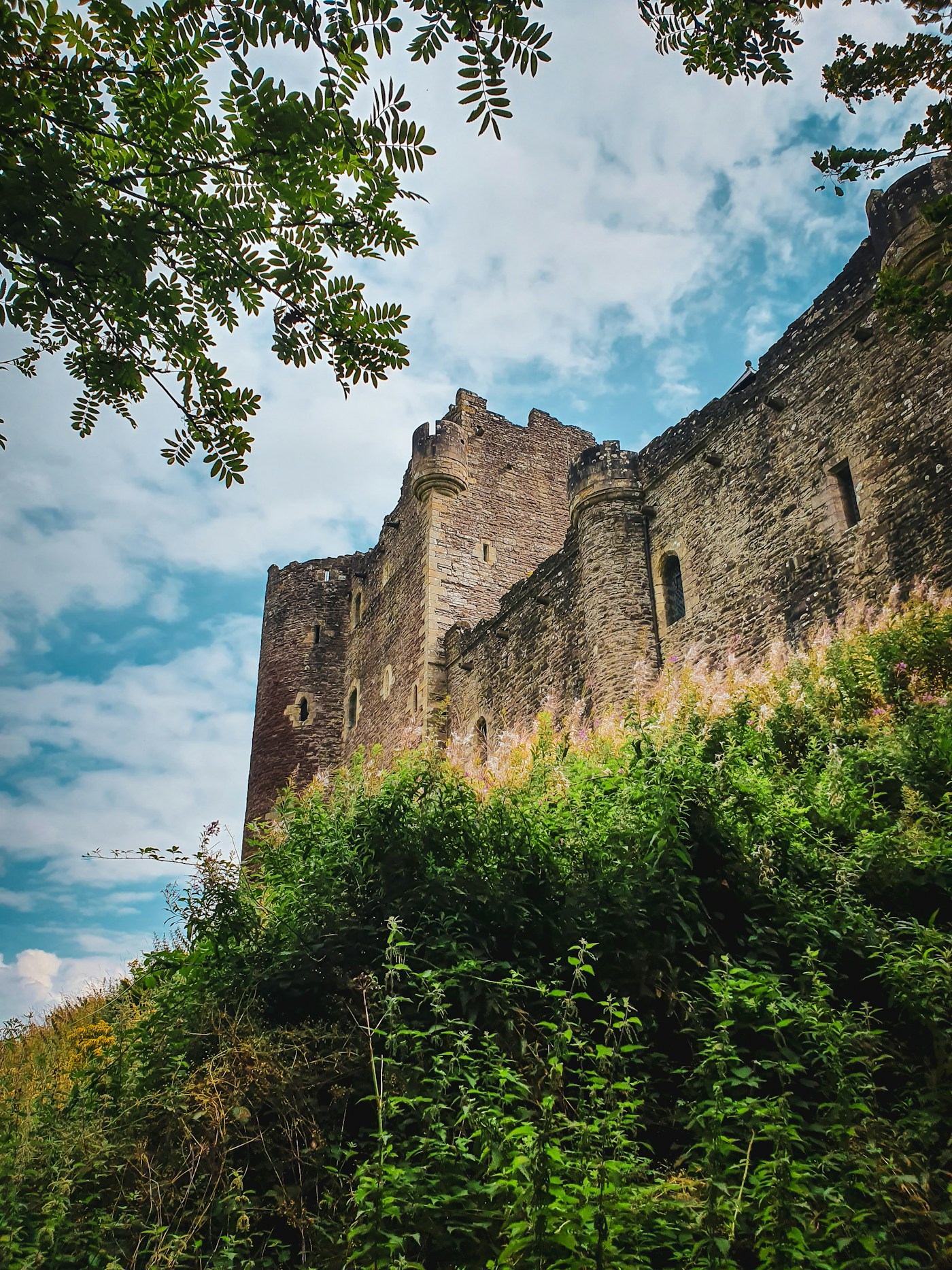
Doune Castle and the First Idea of Winterfell
The pilot connection matters, but this Scottish castle is not a complete model of the Winterfell seen throughout the series.
Read the essay