Winterfell's Crypts and the Weight of Family Memory
Below the castle, stone figures turn ancestry into a place the living must enter.
Spoiler scope: Game of Thrones: seasons 1–8
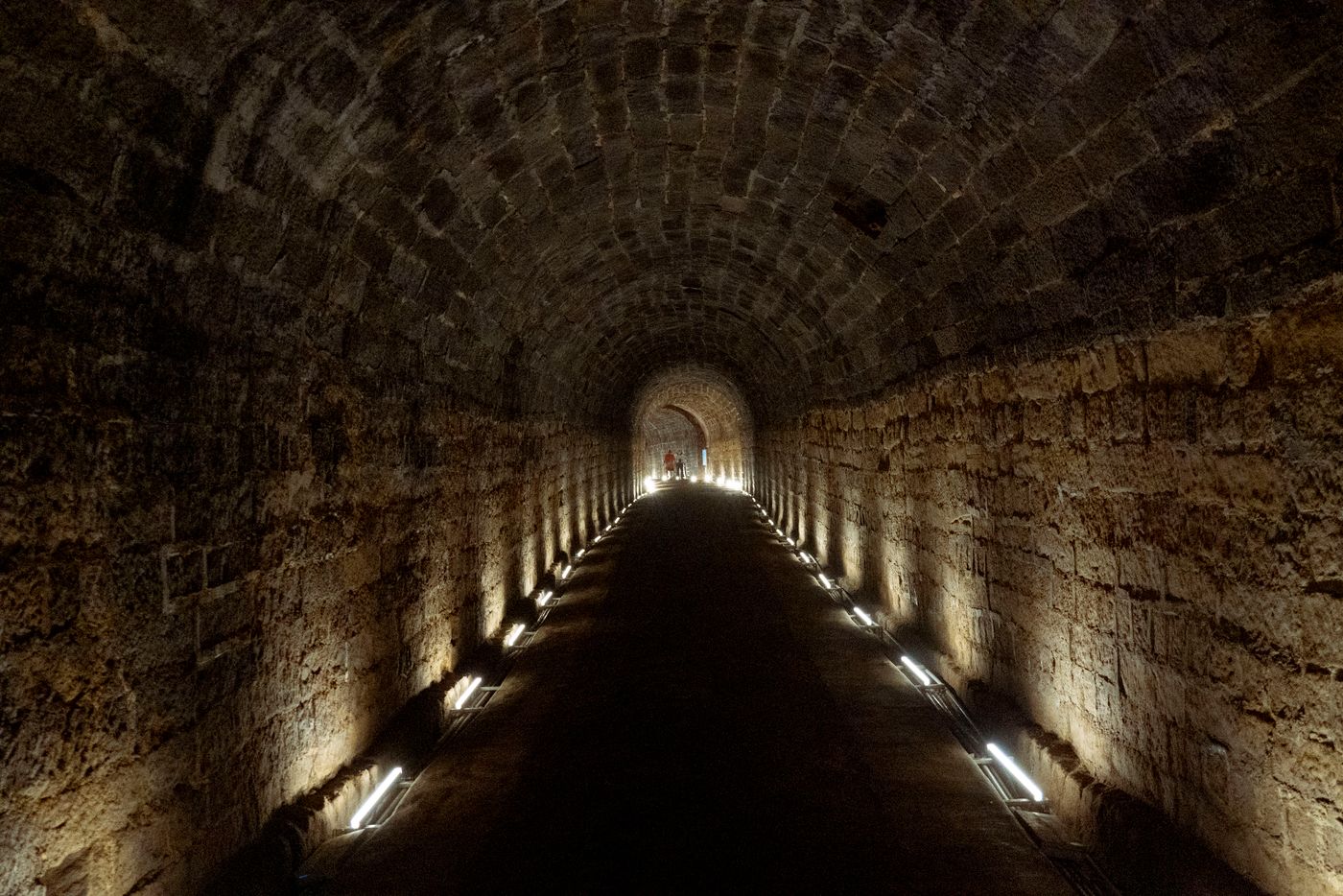
A family history with a physical address
The crypts make the Stark past part of Winterfell's architecture. Memory is not stored only in stories told upstairs; it occupies a space beneath the household. Descending into it changes the pace of the drama. Public duties give way to conversations about grief, ancestry and obligations that the living did not choose for themselves.
Stone figures suggest continuity, but their silence also creates room for interpretation. A surviving relative can address the dead, remember them selectively or discover that an inherited story was incomplete. The crypts do not provide an objective family history simply because they look permanent. They hold monuments whose meanings are shaped by what living people know and are willing to say.
Private grief becomes political
Robert and Ned's early visit joins personal mourning to the history of the rebellion. Their memories of Lyanna are not identical, even though they stand in the same place. That difference matters because private attachment has helped organise public events. The crypt is a setting where the emotional foundations of political history become visible.
Later revelations about Jon's parentage change what some of those earlier memories mean. The place remains physically recognisable while its significance shifts. This is an effective way to stage historical revision: the audience returns to familiar surroundings with knowledge that alters the apparent simplicity of the old account.
Shelter has an unsettling double meaning
During the battle against the dead, the crypts are used as a refuge. The choice is understandable within the castle's defensive circumstances, yet the setting turns ancestral protection into a source of danger. The sequence makes literal an anxiety already present in the location: the past is not always safely contained beneath the present.
This does not mean the family should abandon remembrance. Rather, the crypts show that memory can comfort, conceal and threaten at different moments. When revisiting a scene there, ask what the speaker believes about the dead and what the audience knows beyond that belief. The distance between those two positions often carries more meaning than any single statue or inscription.
Winterfell's ancestors remain powerful because the living continue to interpret—and sometimes misinterpret—their stories.
Another angle on the story.
The Night's Watch: An Institution with a Divided Purpose
The black cloak promises a new identity, but the order never fully escapes the society that supplies its recruits.
Read the essay
The Wall Is More Than a Barrier
Gates, lifts, tunnels and garrisons reveal the everyday machinery behind the immense northern defence.
Read the essay
King's Landing Beyond the Throne Room
Markets, streets and crowds reveal a capital whose residents are not simply an audience for royalty.
Read the essay