The Night's Watch: An Institution with a Divided Purpose
The black cloak promises a new identity, but the order never fully escapes the society that supplies its recruits.
Spoiler scope: Game of Thrones: seasons 1–8

A new brotherhood, an old hierarchy
The Night's Watch offers a striking institutional promise: men from different backgrounds surrender former allegiances and serve together. The shared clothing makes that transformation visible. Yet arrival at Castle Black does not erase education, training or inherited prejudice. A noble recruit and a man raised in poverty do not begin with the same skills, even when both are told that their past lives are over.
Jon's early difficulty with other recruits exposes the gap between formal equality and unequal preparation. Ability with a sword can look like personal merit while concealing years of expensive instruction. Learning to belong therefore requires more than proving superiority in the training yard. It requires understanding what other men were never given the opportunity to learn.
Service depends on more than fighters
The division into rangers, builders and stewards prevents the order from being only a collection of swordsmen. Food, repairs and administration sustain its military activity. Sam's usefulness further challenges a narrow definition of strength. An institution that treats one kind of physical skill as the whole of competence risks overlooking knowledge it urgently needs.
At the same time, recruitment through punishment complicates the language of voluntary brotherhood. Some men choose the Watch; others face constrained alternatives. Their common oath does not mean they entered under common conditions. The order asks for permanent loyalty from people whose reasons for joining may have little in common.
What exactly is being defended?
The return of the dead makes the Watch's inherited priorities unstable. A community accustomed to fighting the free folk must decide whether those people are now partners in protecting the living. Jon's policy is not merely a new tactic. It asks the institution to revise the story it tells about itself, which helps explain the intensity of the resistance.
The television ending leaves the order's future purpose less clearly defined than its original mission. That ambiguity should not be replaced with a confident invented account of its later duties. The more useful lesson is already present: institutions survive by preserving commitments, but they can fail when preserving a habit becomes more important than understanding the commitment it was supposed to serve.
Election does not end disagreement
Choosing a Lord Commander through a vote gives the order a procedure distinct from ordinary hereditary succession. It can create a recognised result without producing agreement about the policy the winner should pursue. A losing faction may accept the count and still resist the new direction. This is a useful distinction between selecting a leader and resolving an institution's fundamental dispute.
Command also operates under severe constraints. The Watch depends on people and resources drawn from a realm whose rulers may be distracted or hostile. Its formal distance from southern politics does not make it materially independent of them. An oath of neutrality cannot manufacture provisions or prevent a claimant from seeking influence.
These dependencies explain why institutional decline is not adequately described as a shortage of brave men. Courage matters, but it cannot substitute for recruitment, maintenance, legitimacy and a workable interpretation of the mission. The black cloak makes membership visible; sustaining the organisation requires a much less photogenic network of support.
The Watch's central conflict is whether loyalty means repeating its customs or renewing its purpose.
Another angle on the story.

The Wall Is More Than a Barrier
Gates, lifts, tunnels and garrisons reveal the everyday machinery behind the immense northern defence.
Read the essay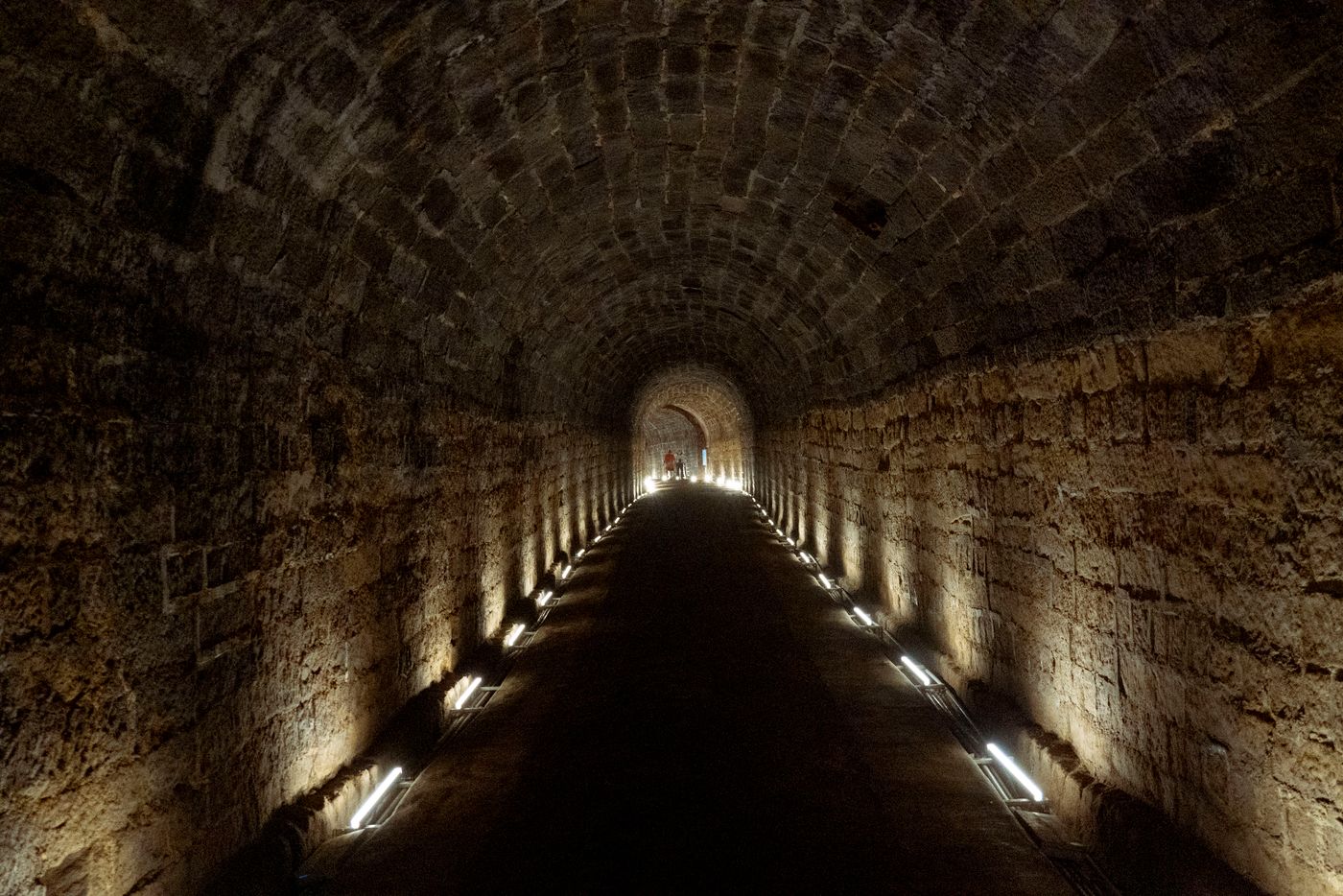
Winterfell's Crypts and the Weight of Family Memory
Below the castle, stone figures turn ancestry into a place the living must enter.
Read the essay
King's Landing Beyond the Throne Room
Markets, streets and crowds reveal a capital whose residents are not simply an audience for royalty.
Read the essay