King's Landing Beyond the Throne Room
Markets, streets and crowds reveal a capital whose residents are not simply an audience for royalty.
Spoiler scope: Game of Thrones: seasons 1–8

Two views of one city
From the Red Keep, King's Landing can appear to be the stage on which royal power is displayed. From its streets, the court is one force among many affecting food, safety and work. The series moves between these views unevenly but often enough to challenge the idea that the capital is identical with the people governing it.
The contrast is especially sharp when a procession enters public space. Guards and titles provide some protection, yet proximity to the crowd makes royal vulnerability visible. People who seem abstract in council discussions become bodies with anger, needs and the ability to disrupt a carefully arranged appearance. The city cannot be reduced to a decorative backdrop.
Religion offers another centre
The Great Sept creates a competing geography of authority. People may gather around religious leaders rather than the crown, and moral claims can become a basis for challenging court privilege. The resulting conflict is not simply between belief and politics. Religious organisation becomes one of the ways urban political power is assembled.
Markets, taverns and informal networks add further layers. Information travels through people whose names may never enter an official history. Their work allows elite households to function, while their experiences can remain almost invisible to those households. The programme is selective about showing this life, so a complete social portrait would be an overclaim.
Destruction changes the scale of judgement
The final assault forces sustained attention onto the streets. From ground level, military objectives give way to the immediate problem of finding shelter. This perspective prevents the city from remaining merely the prize in a contest between rulers. Its destruction is measured through people who have little control over that contest.
When discussing King's Landing, distinguish the regime, the institutions and the population. Condemning a ruler does not make every resident an extension of that ruler. The series' strongest urban scenes insist on this separation. They reveal why governing a capital requires more than possessing its fortress, and why conquering it cannot be judged only by whether the claimant reaches the throne.
The capital contains a population, not just a crown; the difference matters most when violence reaches its streets.
Another angle on the story.

The Night's Watch: An Institution with a Divided Purpose
The black cloak promises a new identity, but the order never fully escapes the society that supplies its recruits.
Read the essay
The Wall Is More Than a Barrier
Gates, lifts, tunnels and garrisons reveal the everyday machinery behind the immense northern defence.
Read the essay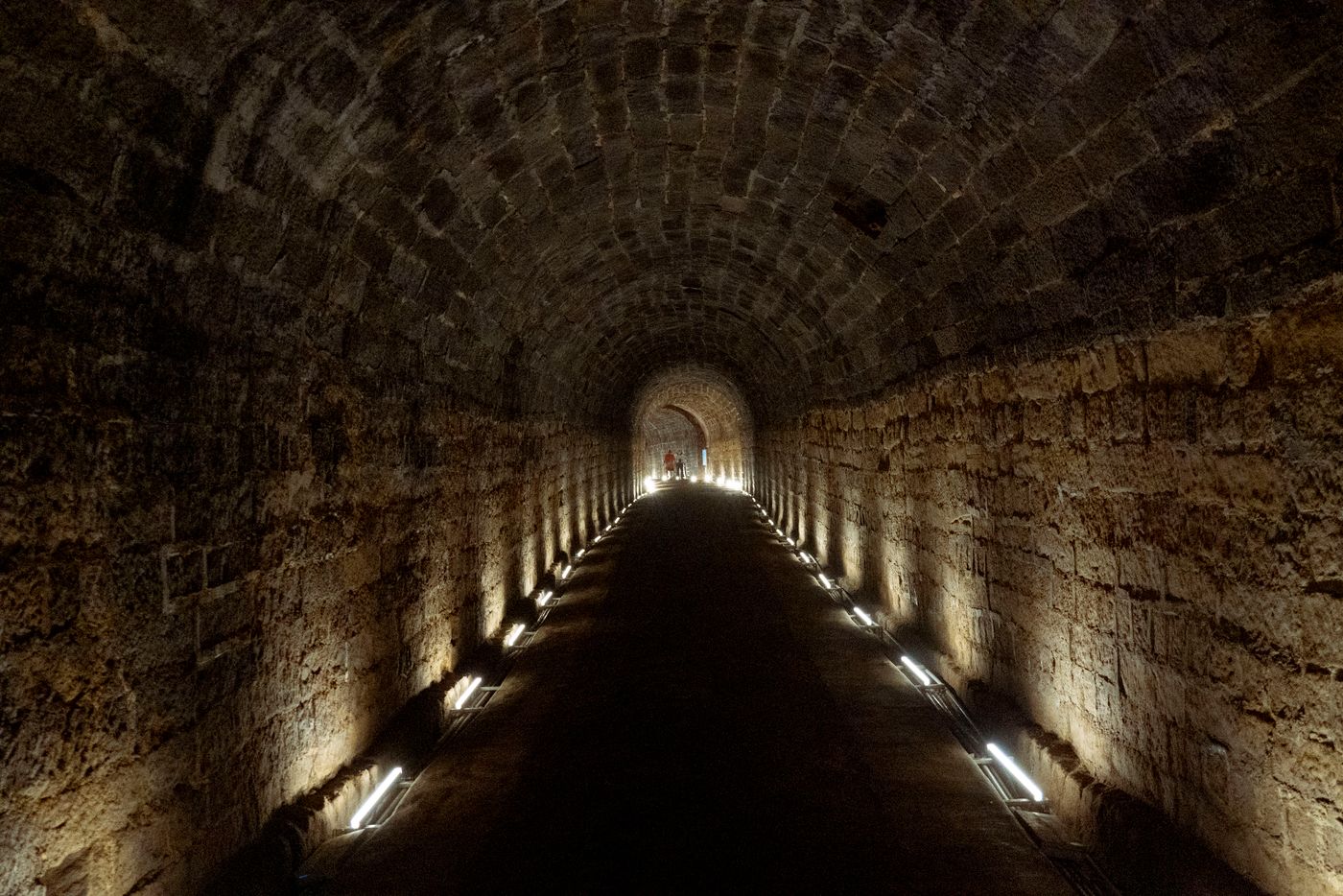
Winterfell's Crypts and the Weight of Family Memory
Below the castle, stone figures turn ancestry into a place the living must enter.
Read the essay