Dragonstone: A Stronghold Between Exile and Return
The island's position makes it a threshold rather than a simple seat of power.
Spoiler scope: Game of Thrones: seasons 2–7

Near the prize, apart from it
Dragonstone occupies an important imaginative position: connected to claims over Westeros, yet separated from its mainland by water. It is a place from which a ruler can look towards the kingdom without securely possessing it. That distance gives the setting its recurring tension. The island offers a base, but a base is not the same as broad political acceptance.
For Stannis, the stronghold frames a claim that must be translated into military action and alliances elsewhere. For Daenerys, returning to it makes ancestral history physically available after years abroad. These situations are not identical. One involves an established claimant's campaign; the other stages a homecoming that still leaves the practical problem of governing strangers.
The landscape supports the claim
The fortress's austere appearance resists the convivial image of a thriving court. Rock, sea and enclosed interiors make the location feel severe. This atmosphere is an element of television storytelling, not evidence that every inhabitant must share one temperament. It shapes how a scene feels before a visitor begins to negotiate.
The Painted Table concentrates the island's relationship with the mainland. Westeros becomes an object that can be surveyed, discussed and divided into strategic possibilities. Yet the table also exposes the gap between seeing the realm and understanding it. People outside the room may attach very different meanings to the territories represented there.
Ancestry does not complete arrival
Daenerys's arrival in the seventh season gives considerable space to movement through the location. The absence of immediate speech allows recognition and uncertainty to coexist. A place can be connected to a person's origins without being familiar in the ordinary sense of a home where they have lived.
Dragonstone is therefore useful for thinking about return as a process rather than a completed act. Reaching an ancestral seat can strengthen a narrative of belonging, but it cannot supply the relationships needed for rule. The island repeatedly holds characters at that threshold: close enough to imagine possession, separate enough to reveal how much remains to be negotiated beyond its shore.
Dragonstone gives a claim a physical home without guaranteeing that the mainland will accept it.
Another angle on the story.

The Night's Watch: An Institution with a Divided Purpose
The black cloak promises a new identity, but the order never fully escapes the society that supplies its recruits.
Read the essay
The Wall Is More Than a Barrier
Gates, lifts, tunnels and garrisons reveal the everyday machinery behind the immense northern defence.
Read the essay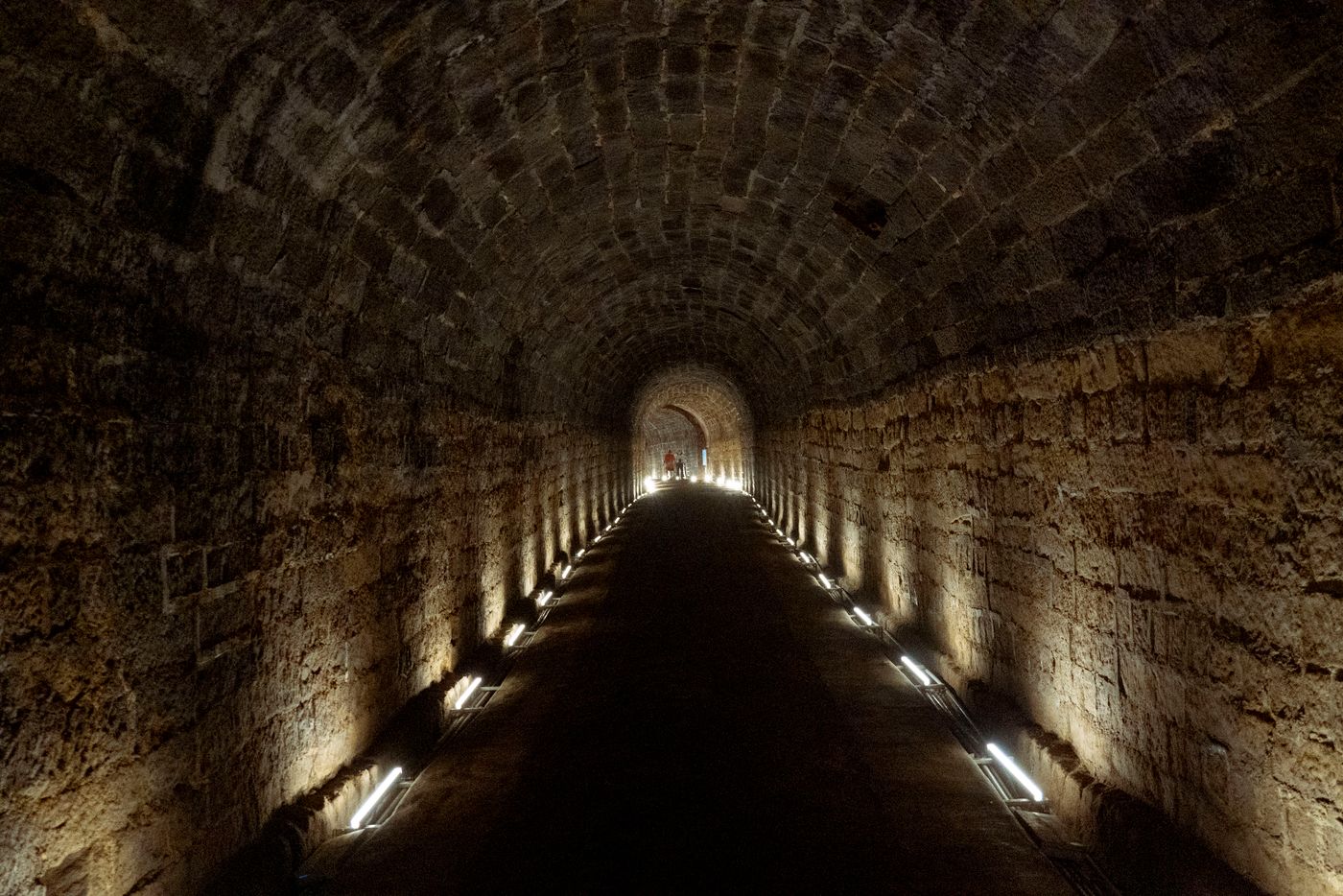
Winterfell's Crypts and the Weight of Family Memory
Below the castle, stone figures turn ancestry into a place the living must enter.
Read the essay