Direwolves and the Boundaries of Belonging
The Stark animals express attachment without becoming simple mirrors of their human companions.
Spoiler scope: Game of Thrones: seasons 1–8
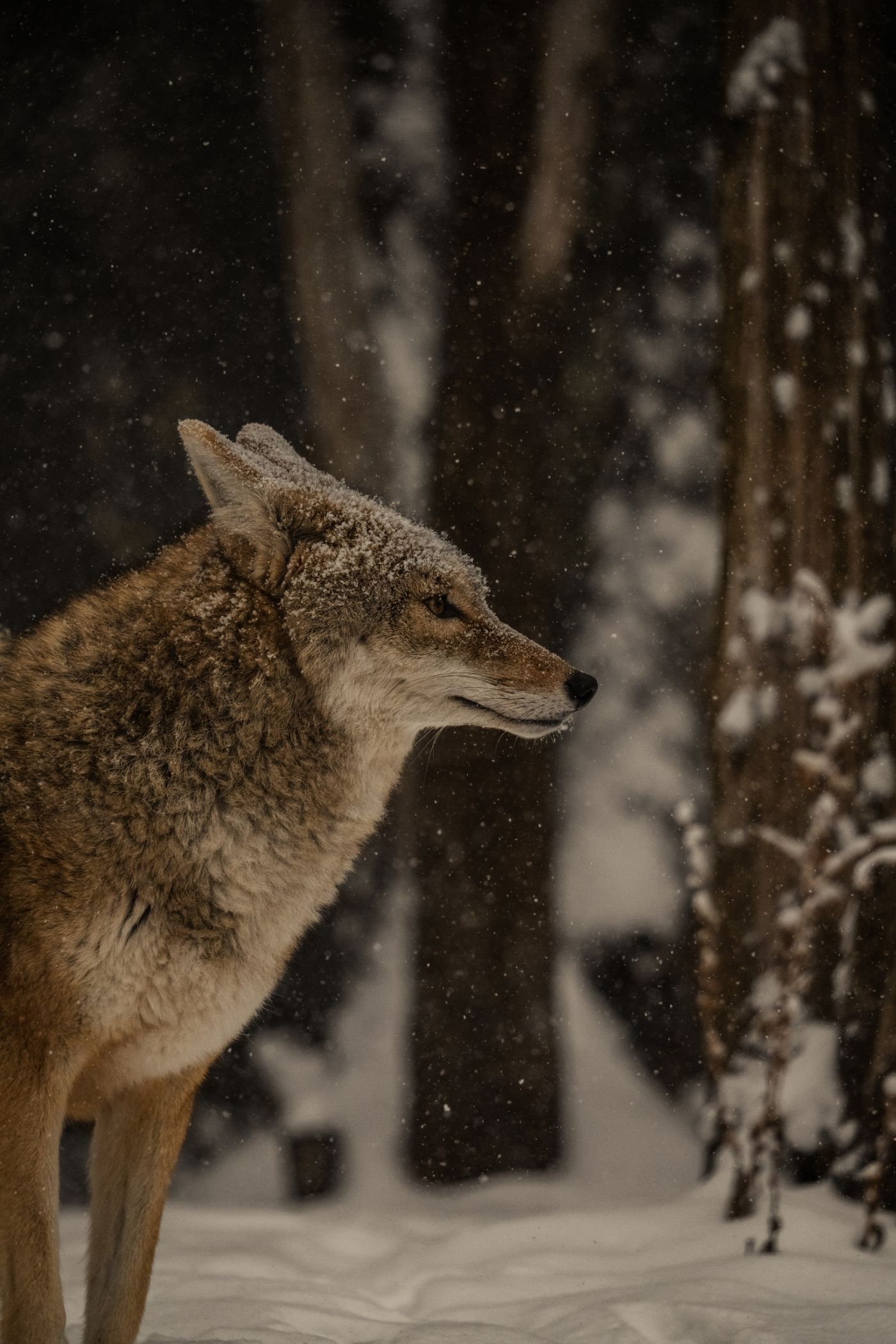
A family finds an emblem alive
The discovery of the direwolf pups turns heraldry into a living responsibility. The Stark emblem is no longer only an image on a banner; it must be fed, protected and understood. Matching the animals with the children invites symbolic reading, but the relationship also introduces practical vulnerability. A creature associated with power can still be harmed by decisions made elsewhere.
Lady's death makes that vulnerability painfully clear. The consequences of a conflict fall on an animal that did not cause it. The event is not only an ominous sign for Sansa. It exposes how authority can displace punishment onto a convenient target while presenting the result as a settled response.
Companionship is not ownership of meaning
The wolves often seem to express something about the children, yet they should not be reduced to emotional accessories. Nymeria's later encounter with Arya is especially valuable because the animal's life has continued outside her former companion's needs. Recognition does not produce a simple restoration of the earlier relationship.
That moment complicates the comforting idea that homecoming returns everything to its proper place. Both Arya and Nymeria have changed. Belonging can survive without requiring one of them to abandon what they have become. The scene's force comes partly from allowing attachment and separation to coexist.
Keep symbolic patterns provisional
It is tempting to map every animal's fate onto a complete theory of its associated character. Some parallels are persuasive; others depend on ignoring inconvenient details. The show also has practical production constraints, but an unsupported claim about why a particular wolf is absent should not be presented as established fact.
A more careful approach begins with what a scene actually gives the animal to do. Does it protect, refuse, recognise or suffer? Then consider how that action changes the human relationship. This method preserves the symbolic richness without treating the wolves as a prediction system. Their strongest contribution is to make loyalty tangible while reminding us that living attachments cannot be controlled as neatly as heraldic images.
The direwolves make belonging visible, but their lives do not always remain inside the roles humans assign them.
Another angle on the story.
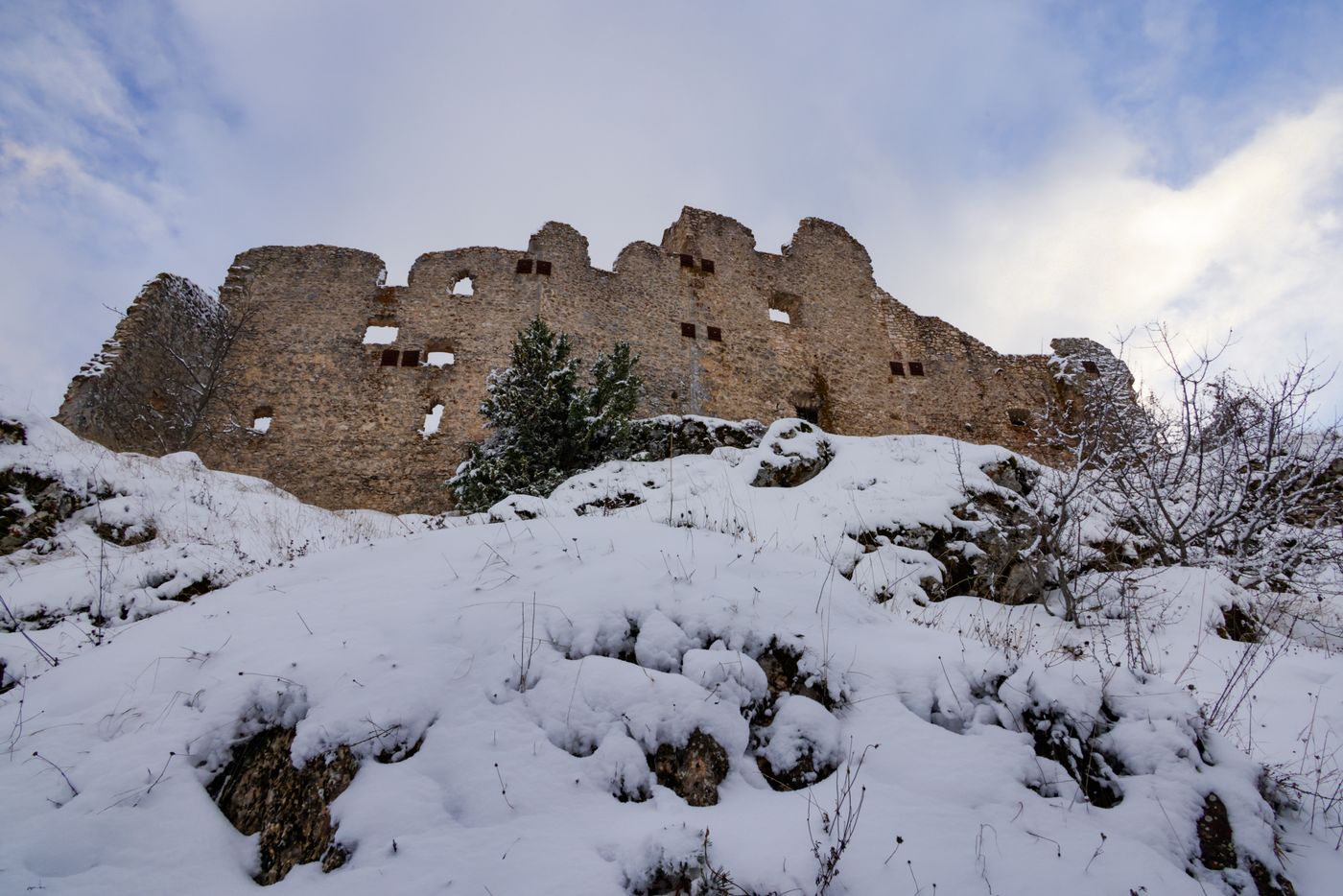
The Night's Watch: An Institution with a Divided Purpose
The black cloak promises a new identity, but the order never fully escapes the society that supplies its recruits.
Read the essay
The Wall Is More Than a Barrier
Gates, lifts, tunnels and garrisons reveal the everyday machinery behind the immense northern defence.
Read the essay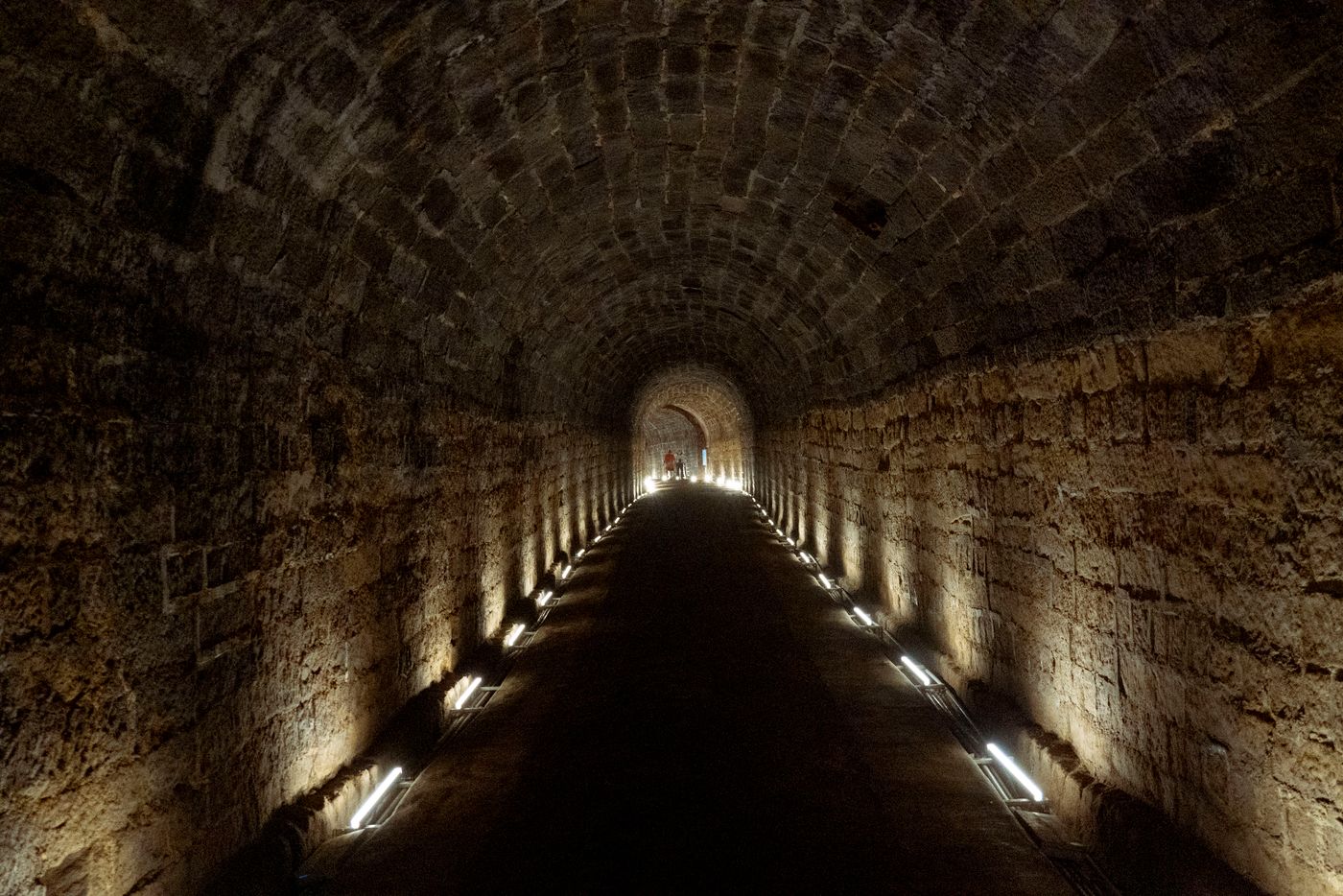
Winterfell's Crypts and the Weight of Family Memory
Below the castle, stone figures turn ancestry into a place the living must enter.
Read the essay