The Citadel: Preserving Knowledge, Controlling Access
Sam's education reveals both the value of an archive and the limits of the institution that guards it.
Spoiler scope: Game of Thrones: seasons 6–7
A library is also an organisation
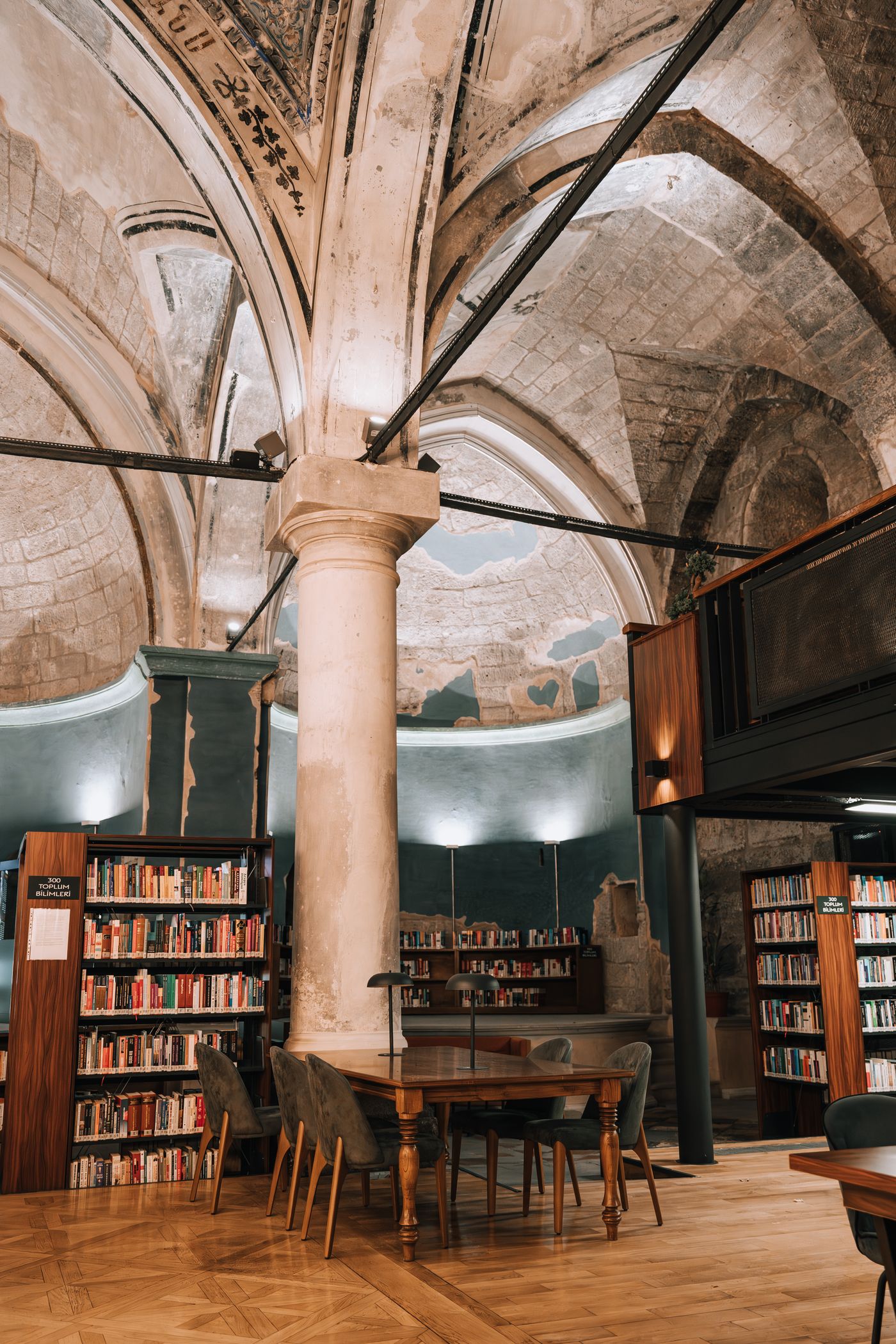
The Citadel's library offers one of the programme's most seductive images of accumulated knowledge. Shelves and chains suggest that answers may survive if someone knows where to look. But the archive does not explain itself. People decide what can be consulted, who is qualified to interpret it and which claims deserve attention.
Sam arrives with practical urgency while the institution operates through established procedures. That difference produces more than impatience. It raises a problem familiar to any organisation responsible for reliable knowledge: openness to a new report must be balanced against the danger of accepting every alarming story. The series makes the balance contentious rather than effortless.
Routine can teach and obstruct
The repetitive labour assigned to Sam makes education visibly unglamorous. Bodies, waste and illness sit beside the elevated image of scholarship. This is useful because it prevents the Citadel from being only a romantic room of books. Knowledge is maintained by work, some of it unpleasant, and learning does not happen outside material life.
Yet routine can also become a defence against recognising urgency. A hierarchy may confuse respect for procedure with proof that its existing assumptions remain adequate. Sam's frustration concerns that possibility: the institution possesses resources that could matter beyond its walls, while its habits make access and action difficult.
Evidence still needs interpretation
The discovery of a significant record does not automatically communicate its significance to everyone present. Someone must recognise what the information changes. This is why the story's moments of reading matter: a document can sit in an archive for years without doing political work, then alter a claim when it is connected to other knowledge.
The Citadel should therefore be read neither as useless bureaucracy nor as an infallible store of answers. It preserves valuable material while limiting its circulation. Those two functions coexist. A careful discussion distinguishes criticism of institutional gatekeeping from dismissal of expertise itself. Sam depends on learning and records even when he challenges the people who administer them.
There is also a difference between possessing a text and understanding its reliability. A surviving account may be incomplete, interested or mistaken. The television plot sometimes allows a record to provide a decisive revelation, but that dramatic convenience should not become a general rule that old writing is automatically true. The most convincing use of an archive connects documents with context rather than replacing judgement with reverence for the page.
Who gets to be heard?
Expertise works partly through trust earned over time. That gives institutions a sensible reason to distinguish between a trained judgement and an unsupported assertion. The problem arises when status becomes a substitute for evaluating the evidence itself. An outsider can be wrong, but being an outsider is not the fact that makes the claim wrong.
Sam's position is revealing because he is neither wholly outside nor comfortably established. He seeks the institution's knowledge while bringing experiences that strain its assumptions. His conflict is therefore not a simple celebration of instinct over learning. He needs methods, records and instruction even as he questions the priorities governing their use.
The archive also reminds us that preservation can be accidental in its later effects. A record maintained for one purpose may answer a question its author never anticipated. This gives scholarship a value beyond immediate utility. The challenge is to preserve widely while remaining able to recognise when an obscure detail has become urgent.
Knowledge becomes useful when preservation, access and interpretation work together.
Another angle on the story.
The Night's Watch: An Institution with a Divided Purpose
The black cloak promises a new identity, but the order never fully escapes the society that supplies its recruits.
Read the essay
The Wall Is More Than a Barrier
Gates, lifts, tunnels and garrisons reveal the everyday machinery behind the immense northern defence.
Read the essay
Winterfell's Crypts and the Weight of Family Memory
Below the castle, stone figures turn ancestry into a place the living must enter.
Read the essay