The Wedding Table as a Political Map
Marriage ceremonies bring dynastic strategy, unequal consent and public performance into one room.
Spoiler scope: Game of Thrones: seasons 2–4
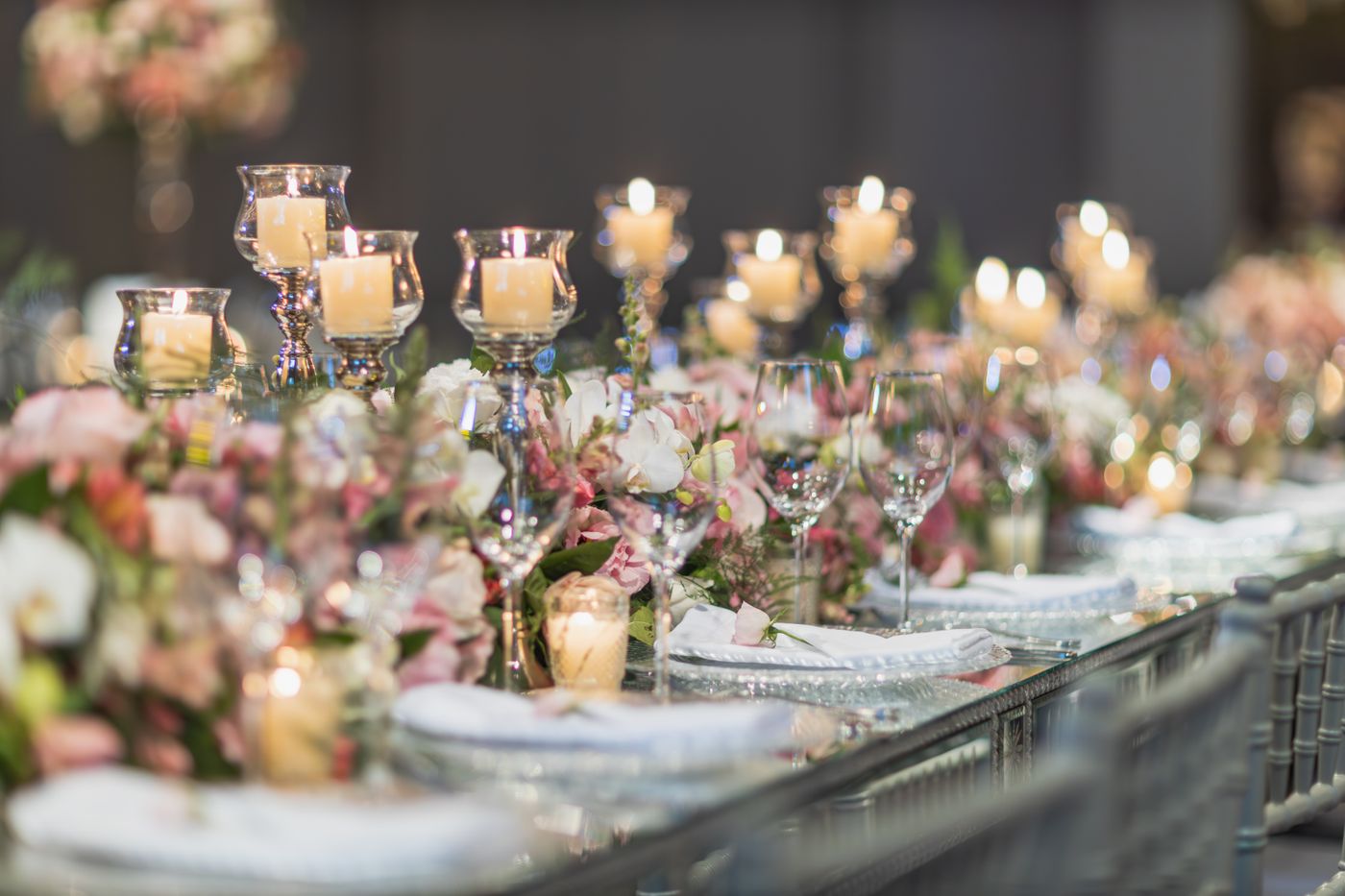
More than two people
A wedding in Game of Thrones joins more than a couple. It can secure an alliance, redirect an inheritance or display the settlement of a dispute. The guests, seating and gifts turn the event into a visible arrangement of power. A private relationship becomes a public resource, often before either participant has much freedom to define it.
This does not mean affection is absent from the story. It means affection and political function are different things. A marriage may serve a family's interests while causing distress to the people involved. Conversely, a personal choice can disrupt commitments on which other people have built military or diplomatic expectations. The tension cannot be resolved by calling every match either romantic or cynical.
Consent is distributed unequally
Sansa and Tyrion's wedding makes the imbalance particularly clear. Their positions are not identical, but neither controls the situation in the way a cheerful ceremony would suggest. The public ritual asks them to perform agreement under conditions shaped by more powerful relatives. Watching the gestures and silences is often more revealing than treating the formal words as a complete statement of consent.
The lavish royal wedding in the fourth season offers another kind of exposure. Entertainment and abundance demonstrate the court's resources, while humiliation reveals how those resources can be used against a vulnerable guest. The feast is not a pause in politics. It is a setting where hierarchy can be enacted in front of a captive audience.
Celebration can conceal coercion
The Red Wedding takes that contradiction to its most violent extreme, but it should not make every other wedding seem harmless by comparison. Less spectacular forms of coercion remain present in arranged relationships, public expectations and the management of heirs. The series uses the recognisable form of a celebration to make those pressures visible.
To analyse a wedding scene, identify the bargain being celebrated and the people excluded from negotiating it. Then observe who gains the right to speak, who is displayed and who is expected to endure. This approach keeps the discussion grounded in the scene's social relationships instead of reducing every marriage to another twist in a succession chart.
The ceremony announces agreement; the scene often reveals how little choice some participants had.
Another angle on the story.
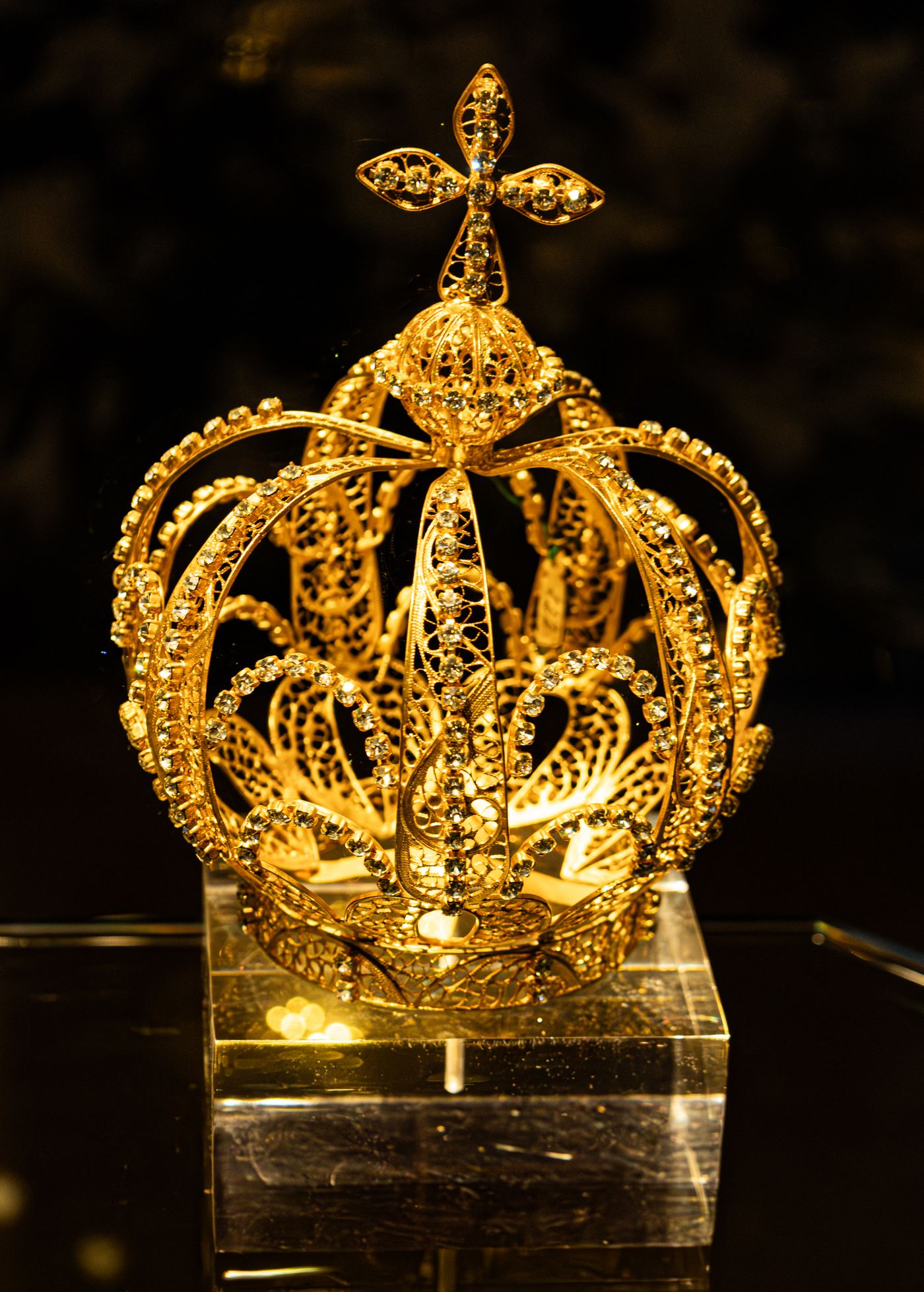
A Crown Is Not Consent: Why Legitimacy Keeps Breaking
Inheritance, victory and recognition offer different answers to the question of who may rule.
Read the essay
When an Oath Conflicts with Conscience
Promises give Westeros a moral vocabulary—and create obligations that cannot always coexist.
Read the essay
Grain Before Glory: The Politics of Hunger
Food supplies make the difference between possessing a city and being able to govern it.
Read the essay