Grain Before Glory: The Politics of Hunger
Food supplies make the difference between possessing a city and being able to govern it.
Spoiler scope: Game of Thrones: seasons 2–7
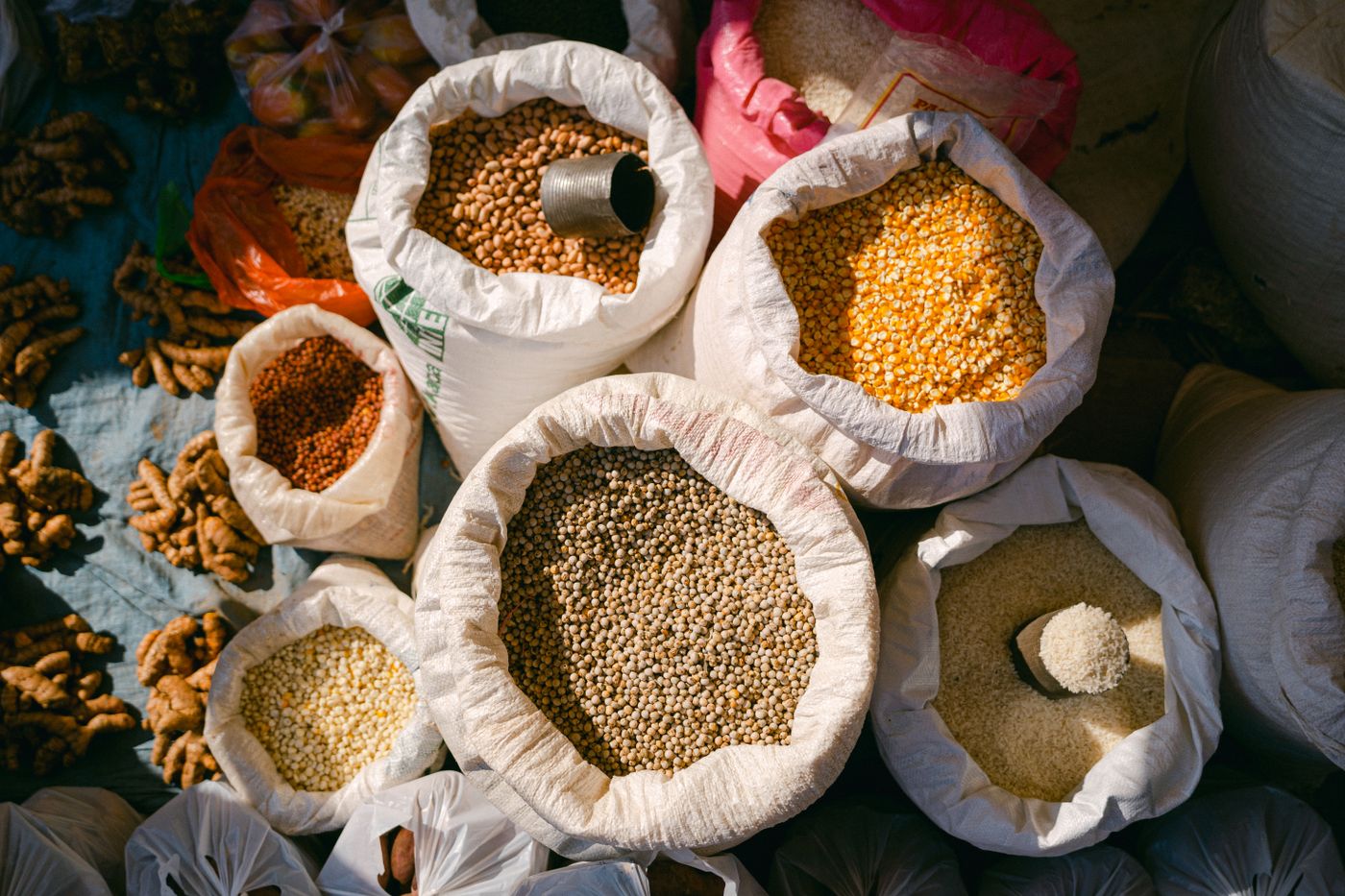
The invisible army behind an army
Battles give war its memorable images, but grain makes those battles possible. Armies require a continuing supply of food, while cities depend on routes that connect consumers to farms and markets. Game of Thrones often lets a short exchange about provisions expose a weakness that a grand military speech conceals. A commander cannot feed horses with a claim to the throne.
King's Landing is particularly revealing because wealth and hunger occupy the same urban space. The court can stage abundance while people outside its walls face scarcity. That contrast is not merely background misery. It affects public anger, the safety of royal appearances and the value of alliances with regions able to supply the capital. Bread is part of political legitimacy.
Generosity has a supply chain
The Tyrell presence demonstrates how food can become public theatre. Being seen to relieve suffering creates a different relationship with the crowd from demanding obedience. Yet the spectacle rests on material resources. Kindness that arrives with wagons of provisions can accomplish something a carefully worded proclamation cannot. The scene invites us to notice both the aid and the political credit attached to it.
Sieges reverse that relationship by making deprivation a weapon. Their pressure does not fall evenly on everyone behind a wall. A noble household may have reserves while other residents absorb the first shortages. Describing a siege only as a contest between commanders therefore hides the people whose endurance is being spent. The boundary between military strategy and collective punishment becomes difficult to ignore.
Victory can destroy what it needs
The later destruction of a supply train offers a useful counterweight to triumphant battle imagery. Burning an opponent's resources can produce an immediate advantage while removing food from a country already facing winter. Tactical success and the capacity to govern afterwards are not identical goals. The series does not always dwell on the accounting, but the contradiction remains visible.
On a rewatch, track references to harvests, roads, wagons and storage alongside troop numbers. They explain why an apparently secondary alliance can matter so much. This reading does not require inventing precise population figures or calculating an unsupported fictional budget. It simply takes seriously the material needs that characters themselves repeatedly mention.
Who receives the last portion?
Scarcity forces a government to reveal its priorities. Soldiers may be fed first because they defend the settlement, but that decision places a burden on people whose labour will be needed after the fighting. Elite reserves can preserve command while deepening resentment. There is no distribution without consequences, and an apparently technical choice about rations can become a judgement about whose lives matter most.
This makes civilian anger more than a failure of public relations. A ruler unable to secure bread cannot simply explain hunger away with a persuasive speech. The crowd's response may be volatile or misdirected, but the need beneath it is material. Court characters sometimes mistake the absence of organised opposition for satisfaction, overlooking how quickly deprivation can change public behaviour.
The viewer can trace a similar distinction between generosity and resilience. A dramatic delivery of food may earn gratitude; maintaining dependable routes and storage earns less visible recognition. Both matter. The first addresses an immediate crisis, while the second reduces the likelihood of another. The show's focus on spectacle should not prevent us from valuing the quieter political achievement.
A food supply is political power because it sustains both armies and the people expected to accept their rule.
Another angle on the story.

A Crown Is Not Consent: Why Legitimacy Keeps Breaking
Inheritance, victory and recognition offer different answers to the question of who may rule.
Read the essay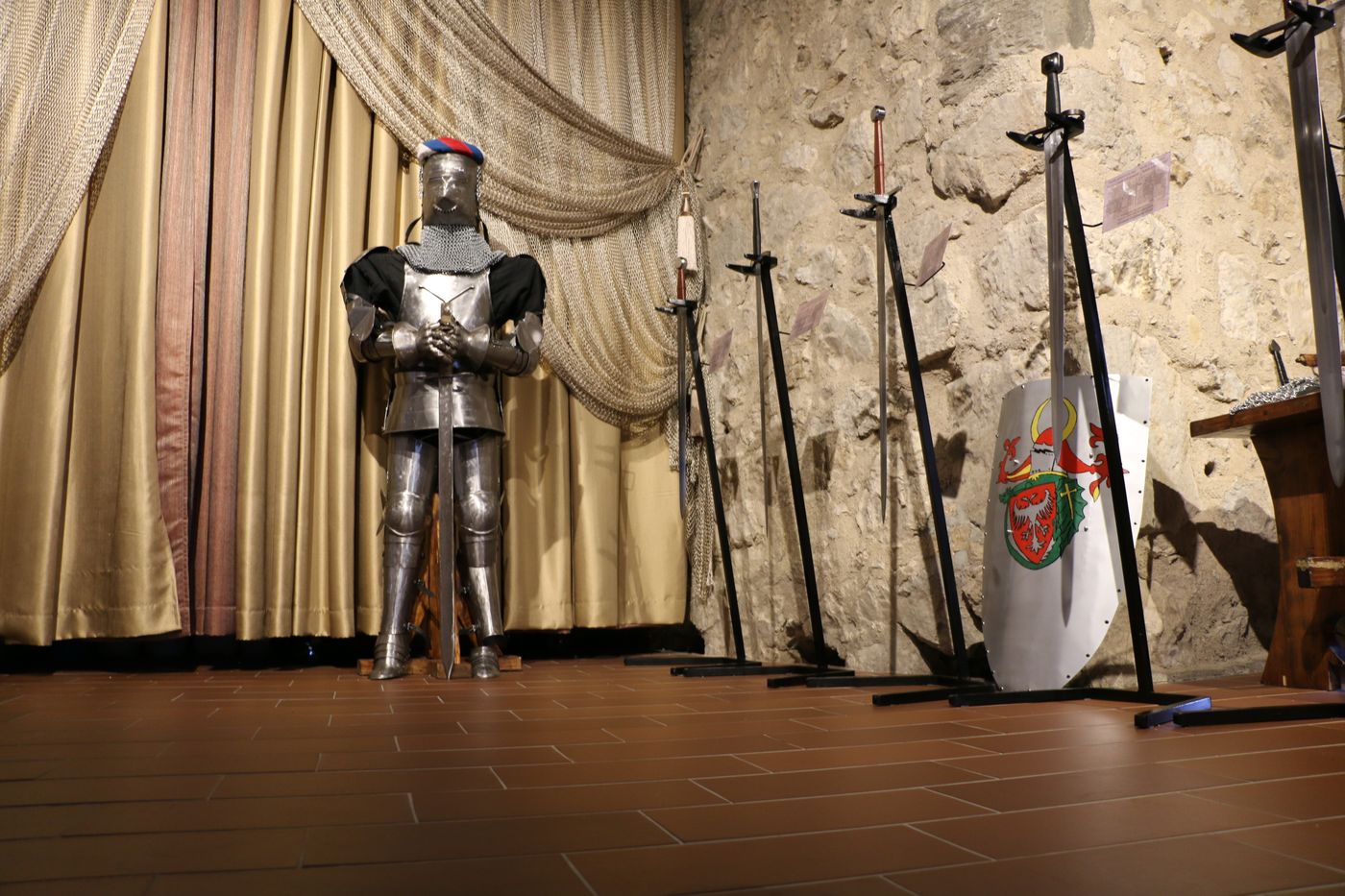
When an Oath Conflicts with Conscience
Promises give Westeros a moral vocabulary—and create obligations that cannot always coexist.
Read the essay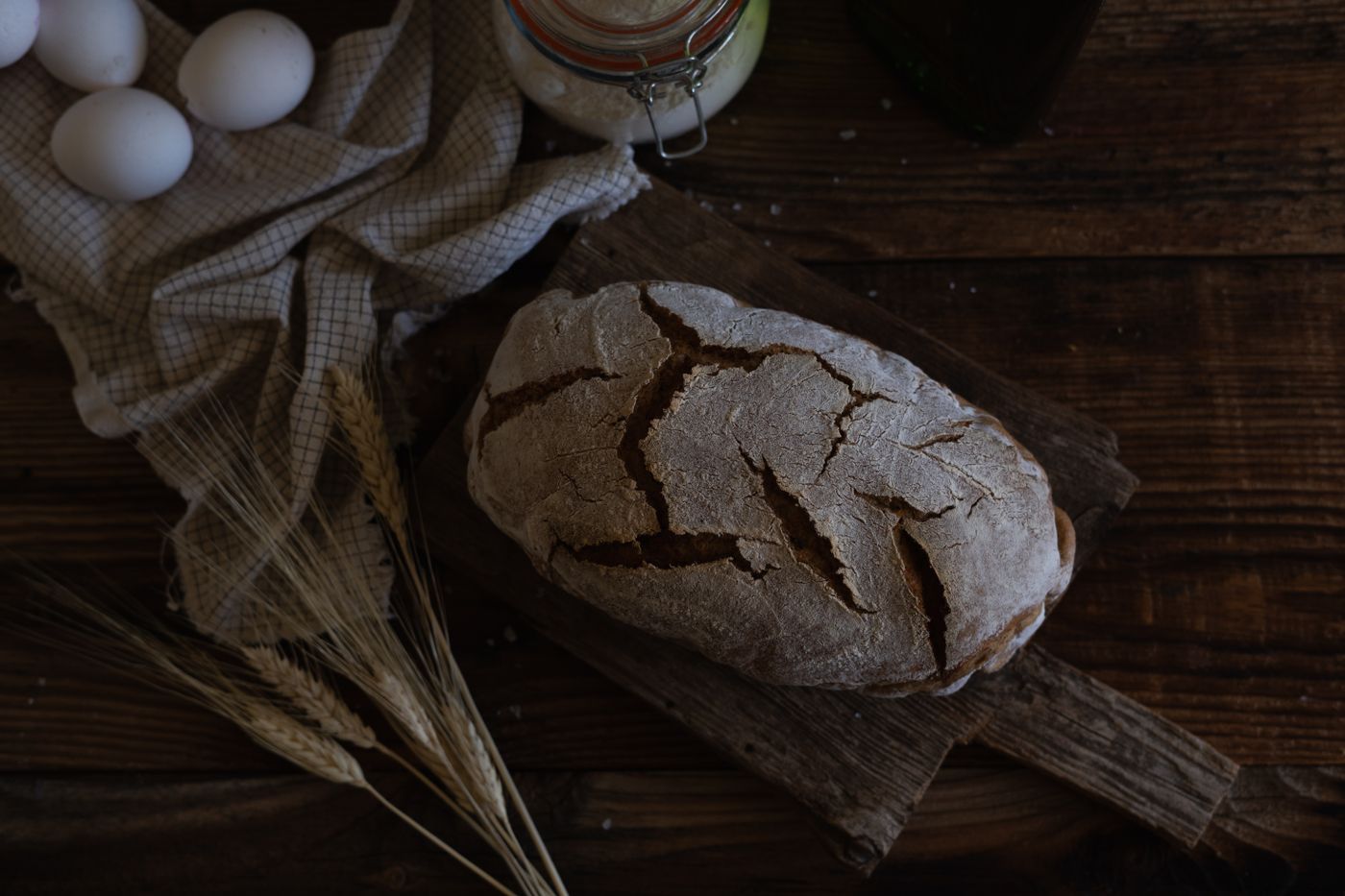
Bread, Salt and the Meaning of Guest Right
The Red Wedding is an attack on a shared rule of hospitality as well as on a family.
Read the essay