Ships, Passage and the Price of Escape
A harbour offers possibility, but leaving Westeros requires access that not everyone possesses.
Spoiler scope: Game of Thrones: seasons 1–6
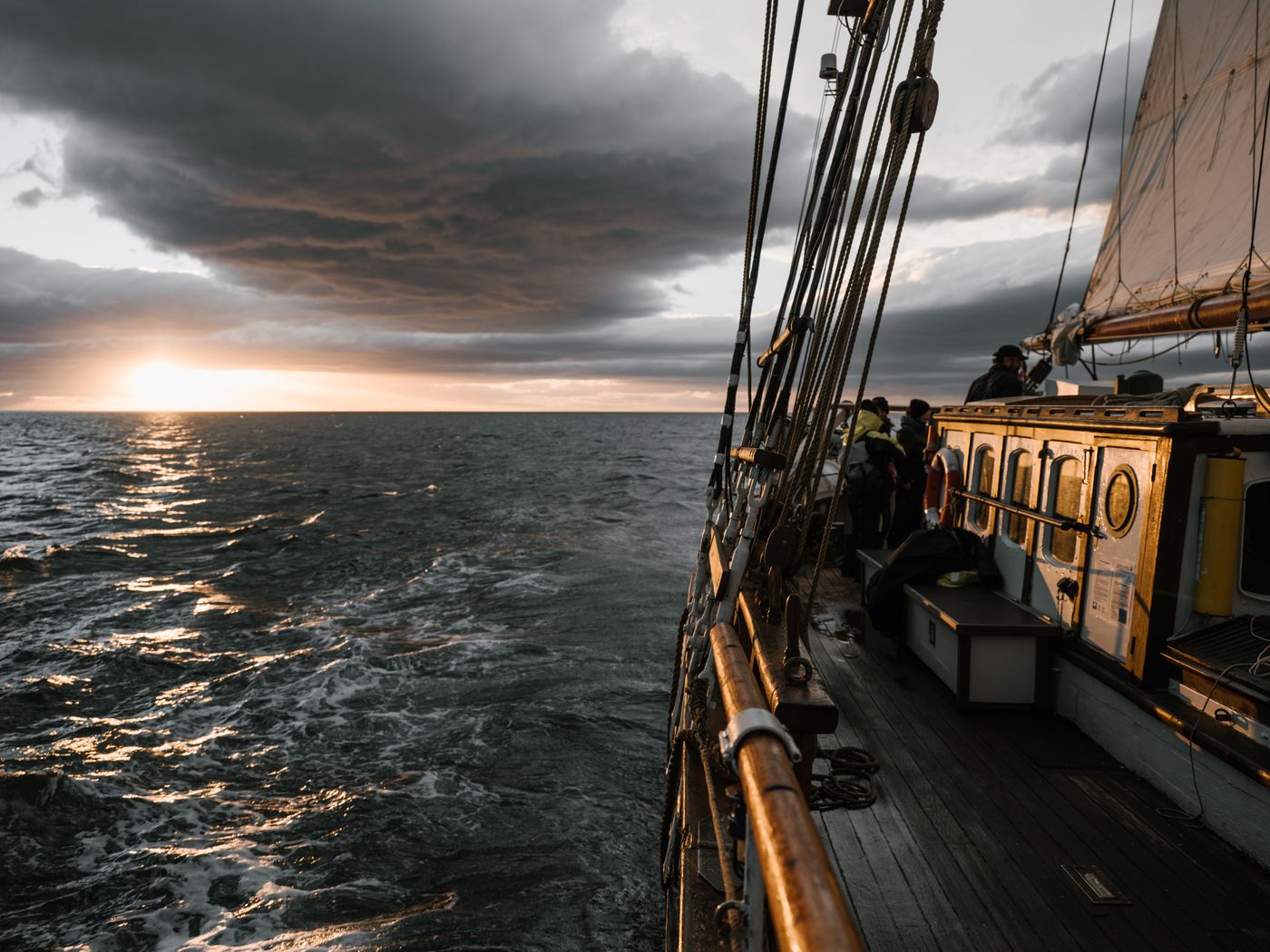
The horizon is not equally available
Ships allow the story to move between continents and political systems. From a distance, a vessel can look like freedom made physical: a way out of a city, an abusive household or a collapsing cause. Yet getting aboard requires money, influence, a useful connection or someone willing to provide passage. The sea is open in appearance, not in equal opportunity.
Arya's journey to Braavos turns a small object and a remembered phrase into access. The significance is not simply that she finds transport. She possesses a credential recognised by a network beyond the world she has been travelling through. Her escape depends on an earlier encounter whose value only becomes fully clear at the harbour.
Leaving does not end dependence
Tyrion's departure from King's Landing likewise relies on assistance and concealment. Crossing the water removes an immediate danger without making him self-sufficient. He enters another chain of obligations, protection and political possibility. Exile changes the setting of dependence rather than abolishing it.
This is a useful corrective to the idea that escape provides a clean narrative reset. Characters carry grief, habits and reputations across the sea. A new place can offer room to act, but it can also make a traveller vulnerable to people who control language, money or local connections. Geographic distance does not automatically create personal freedom.
The same technology carries conquest
By the sixth-season finale, ships organise a very different image: a force preparing to cross towards Westeros rather than flee it. A vessel is not inherently a symbol of liberation. It can transport refugees, traders, prisoners or armies. Its meaning depends on the people aboard and the purpose that brings them together.
When a departure scene feels triumphant, ask what resources made it possible and what relationships remain unresolved on shore. That question preserves the emotional force of leaving without mistaking motion for a solution. The programme uses the sea to widen the world, but its crossings repeatedly show that freedom is a social arrangement as much as a distance travelled.
A ship can open a route without removing the obligations and inequalities that determine who may use it.
Another angle on the story.
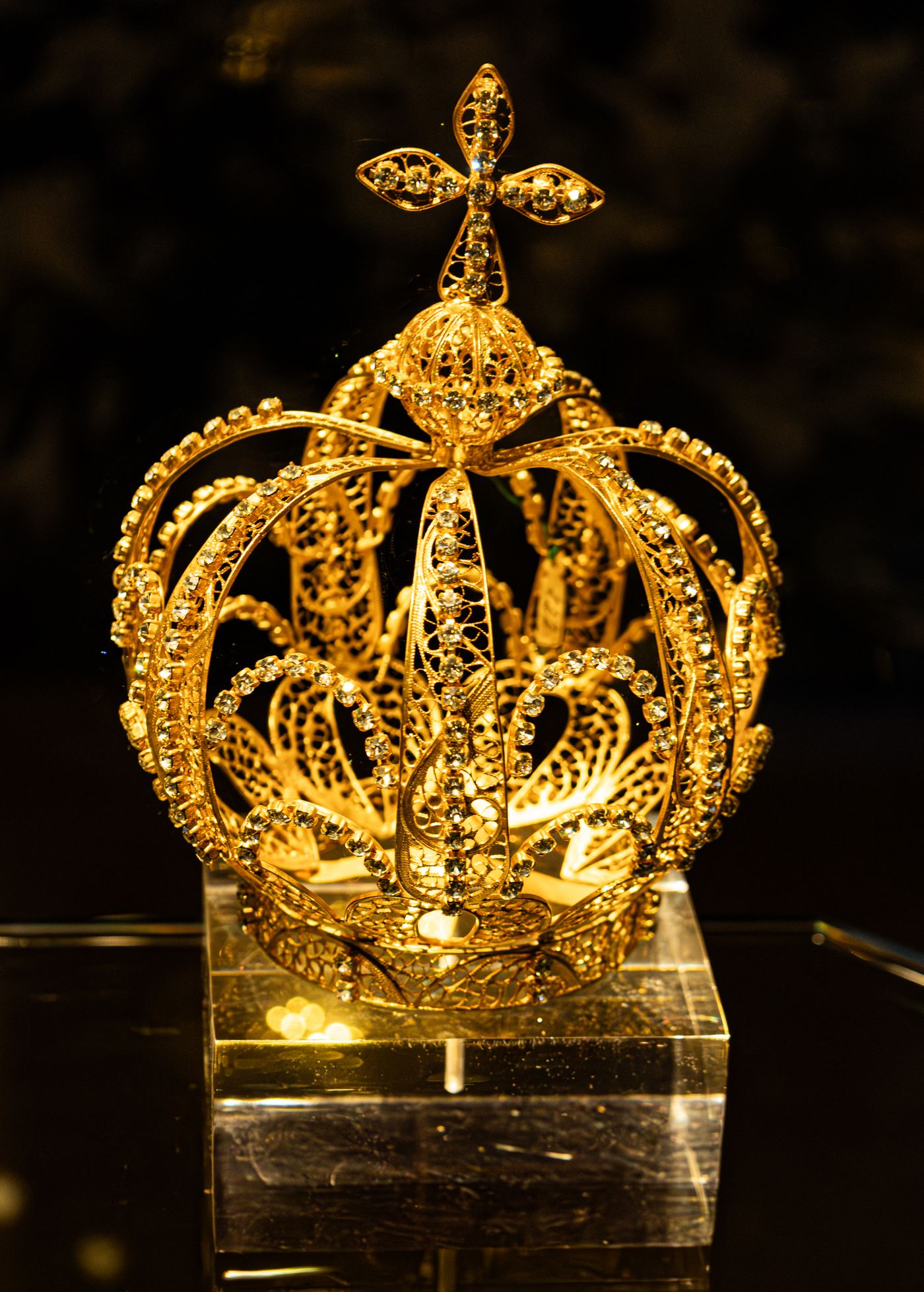
A Crown Is Not Consent: Why Legitimacy Keeps Breaking
Inheritance, victory and recognition offer different answers to the question of who may rule.
Read the essay
When an Oath Conflicts with Conscience
Promises give Westeros a moral vocabulary—and create obligations that cannot always coexist.
Read the essay
Grain Before Glory: The Politics of Hunger
Food supplies make the difference between possessing a city and being able to govern it.
Read the essay