The Road Shows What the War Room Cannot
Journeys through the Riverlands bring the civilian consequences of noble conflict into view.
Spoiler scope: Game of Thrones: seasons 2–4
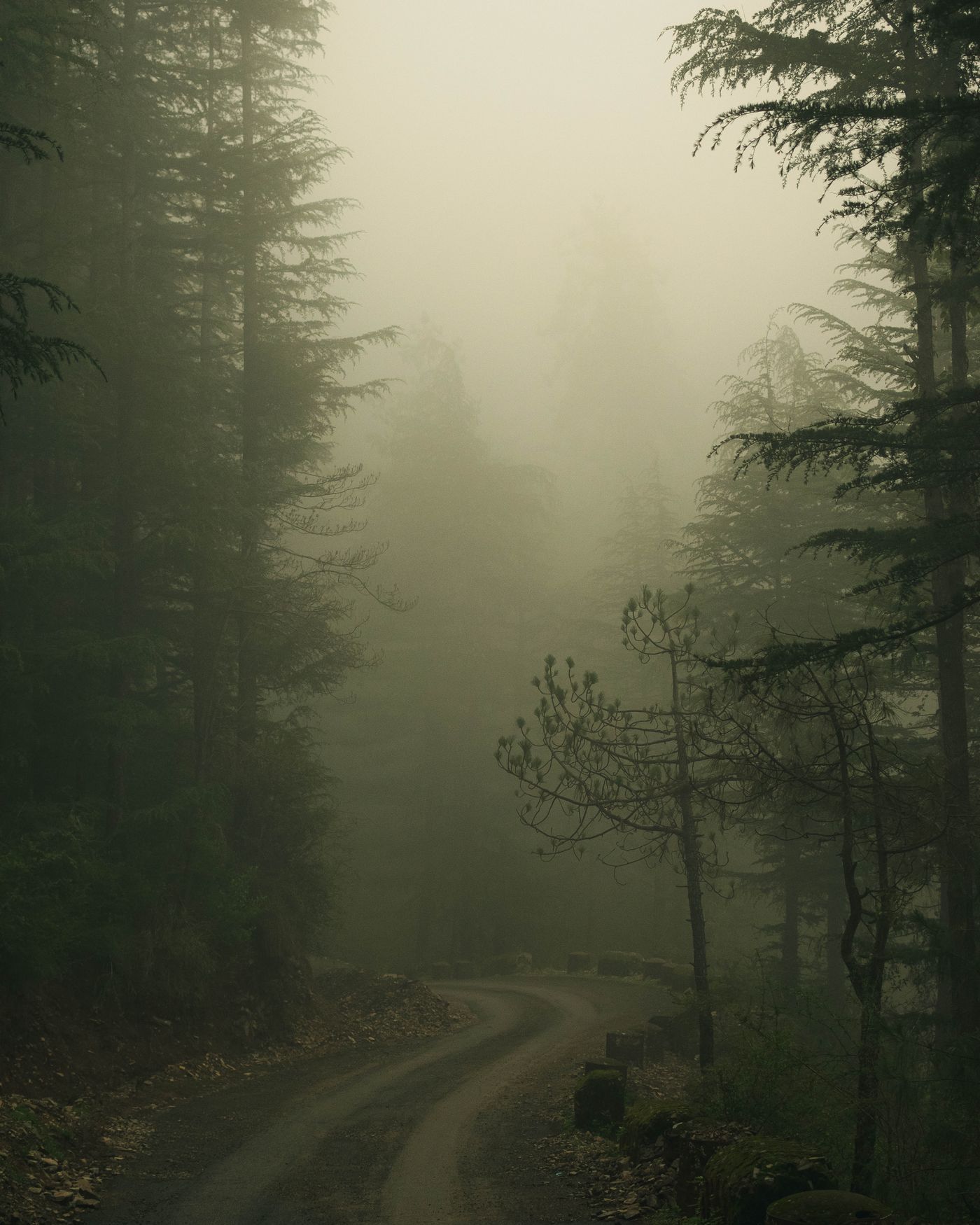
A landscape after the decision
War councils begin with objectives. The road begins with what those objectives have done to the landscape. Burned buildings, frightened travellers and armed men looking for supplies make the conflict legible without a speech about strategy. Through journeys across the Riverlands, Game of Thrones moves away from the claims of rulers and towards the conditions those claims create for other people.
Arya's changing companions give the audience different ways to read that landscape. Protection may come from someone dangerous, while a respectable title may offer little safety. The journey unsettles a clean division between lawful forces and threatening outsiders. For a civilian encountered on the road, the relevant question may be what an armed group will do, not which banner it carries.
Mobility is unequal
Noble characters can sometimes rely on family names, escorts or a destination prepared to receive them. Displaced people often lack those advantages. Leaving home may be necessary without being safe. The programme does not provide a complete account of refugee life, but the fragments it shows challenge the idea that movement itself equals freedom.
The road also changes the value of identity. A name that grants access in one region can invite danger in another. Clothing and speech become clues to conceal or interpret. Survival depends on reading an unstable social environment, a skill different from the certainty displayed by people speaking securely in their own halls.
Pay attention to unfinished lives
Some of the most revealing encounters concern people who never return to the main plot. Their brief appearances remind us that the narrative's central families are not the world's only inhabitants. The absence of a later resolution for each person should not make their suffering merely decorative. It can instead expose the narrowness of a history told chiefly through rulers.
When rewatching a travel sequence, pause the question of whether the protagonist reaches the next destination. Ask what the episode reveals about shelter, food, safety and the ability to trust a stranger. Those concerns explain why peace matters beyond settling a succession. The road tests political rhetoric against the experience of people who did not choose the war.
Travel scenes turn territory from a prize on a map into a place where people must live.
Another angle on the story.

A Crown Is Not Consent: Why Legitimacy Keeps Breaking
Inheritance, victory and recognition offer different answers to the question of who may rule.
Read the essay
When an Oath Conflicts with Conscience
Promises give Westeros a moral vocabulary—and create obligations that cannot always coexist.
Read the essay
Grain Before Glory: The Politics of Hunger
Food supplies make the difference between possessing a city and being able to govern it.
Read the essay