What a War Map Leaves Out
The view from a strategy table makes territory legible while making people disappear.
Spoiler scope: Game of Thrones: seasons 1–7
A useful simplification
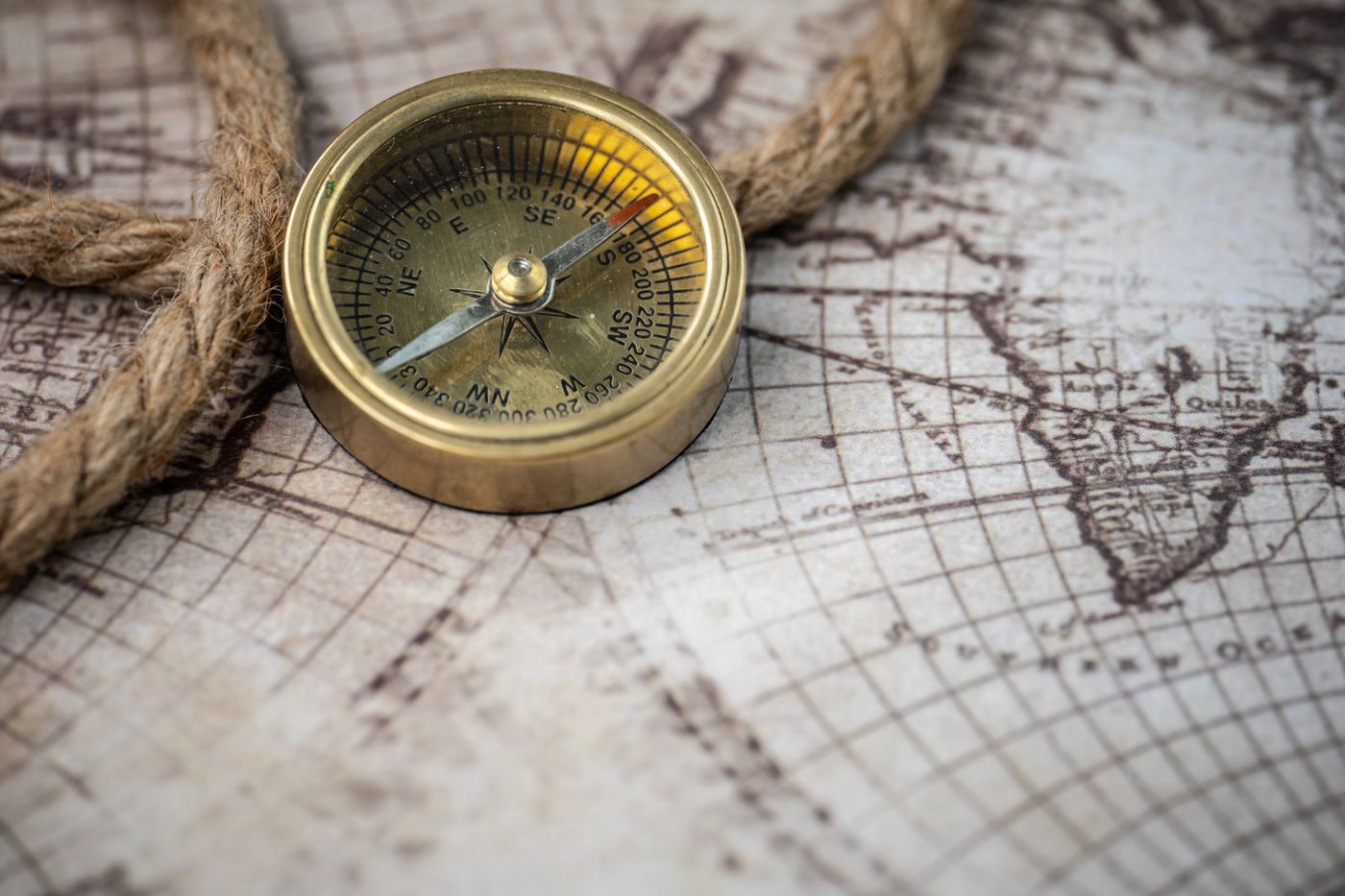
A map allows commanders to discuss enormous distances in a small room. Rivers become lines, castles become points and armies become objects that can be moved by hand. This simplification is necessary for planning, but Game of Thrones repeatedly places it beside scenes that show what the abstraction excludes. A route on a table may be a village's entire lived world.
The Painted Table at Dragonstone makes the attraction especially clear. The continent is presented as something a ruler can survey and potentially possess. Its visual order encourages confidence: the whole realm appears available to a single gaze. Yet a map cannot reveal how readily its inhabitants will accept the person standing over it. Geographic visibility is not political understanding.
Pieces do not feel consequences
War councils often speak of forces as replaceable quantities. The following scene may return us to an individual soldier, a frightened civilian or a family waiting for news. That movement between scales gives the series much of its moral texture. The plans are not necessarily irrational; they are incomplete representations of the costs they set in motion.
Maps also privilege certain forms of knowledge. A commander may know where a road goes without knowing whether it remains passable, who controls a bridge, or how local loyalties have shifted. Characters with experience on the ground can challenge an elegant plan for reasons invisible from above. Expertise is not always concentrated around the largest table.
Read the gap between plan and journey
When revisiting a campaign, compare what is promised in the council scene with what travel subsequently looks like. Notice weather, fatigue, provisioning and encounters that resist the original diagram. This does not require measuring every journey against a fan-made scale. The more productive question is how the story reveals the limits of a commander's perspective.
A map is neither inherently dishonest nor morally neutral in its use. It can help protect people through competent planning, or make their displacement easier to discuss without discomfort. The series lets both possibilities coexist. The table's beauty should not distract from the decisions made around it, especially when a finger sweeping across the continent stands in for thousands of lives.
The missing people are not an empty space
An apparently unoccupied region on a strategy map can still contain farms, travellers and small settlements. The absence of individual marks reflects the map's purpose, not the absence of lives. This distinction matters whenever a character proposes a sweeping movement or a destructive shortcut. What looks like a clean line may involve displacement that the council never discusses.
The audience's access to multiple settings can correct the map's abstraction, but it can also create a new illusion of completeness. We see more than one commander, not everything. Remembering that limit encourages modest claims about what the programme establishes. The strongest interpretation connects the table to particular later scenes rather than inventing a comprehensive military simulation.
Strategy maps are tools for seeing relationships, not complete accounts of the people living inside them.
Another angle on the story.

A Crown Is Not Consent: Why Legitimacy Keeps Breaking
Inheritance, victory and recognition offer different answers to the question of who may rule.
Read the essay
When an Oath Conflicts with Conscience
Promises give Westeros a moral vocabulary—and create obligations that cannot always coexist.
Read the essay
Grain Before Glory: The Politics of Hunger
Food supplies make the difference between possessing a city and being able to govern it.
Read the essay