The Seductive Spectacle of Fire
Beautiful images of destruction can draw viewers into the power the story asks them to question.
Spoiler scope: Game of Thrones: seasons 1–8
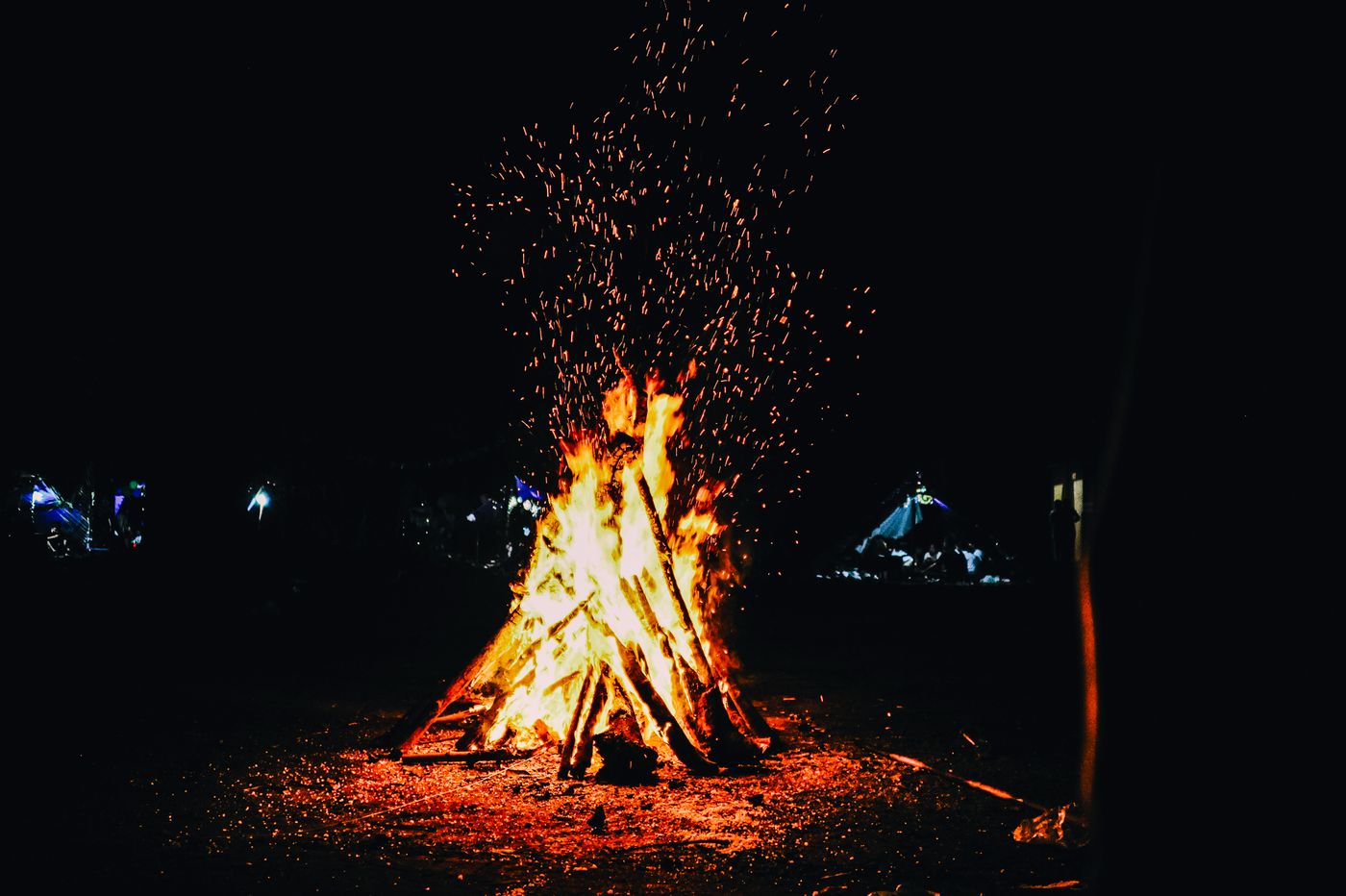
Power made immediately visible
Fire solves a visual problem for television: it makes overwhelming force legible at a glance. A speech can claim superiority, but a wall of flame appears to demonstrate it. Game of Thrones repeatedly uses that immediacy to stage transformations in power. A vulnerable figure can emerge from a fire as someone others now fear or worship.
The images are not morally consistent simply because they share an element. Fire can signal birth, execution, sacrifice or indiscriminate destruction. Treating every flame as a single symbol flattens those differences. The more revealing question is who controls it, who watches it and whose suffering the camera allows us to see.
The viewer's position matters
A distant view can make destruction look ordered and magnificent. A view from the ground replaces that order with confusion, heat and bodies seeking shelter. The later attack on King's Landing uses this change of perspective to disturb the pleasure of military spectacle. The audience cannot remain comfortably aligned with the person commanding the weapon.
Earlier scenes have already complicated admiration. Burning an enemy may appear to remove a cruel ruler while also establishing a terrifying model of obedience. This does not require declaring every earlier act identical to the final catastrophe. It requires noticing how an image can offer liberation to one audience and menace to another at the same moment.
Do not confuse craft with endorsement
A sequence can be brilliantly constructed without asking us to approve of the act it depicts. Music, scale and visual effects may create awe that criticism then has to examine rather than simply repeat. Saying that a scene is exhilarating describes a viewing experience; saying that its violence is justified makes a different claim.
On a rewatch, compare the first and last people shown in a fire sequence. Does the scene begin with the wielder and end with the victims? Are consequences withheld until later? These choices shape our response. Fire's thematic force lies partly in how quickly admiration can become alarm when the story changes the place from which we are looking.
Ask whose perspective makes the fire look glorious, and whose makes it look unbearable.
Another angle on the story.

A Crown Is Not Consent: Why Legitimacy Keeps Breaking
Inheritance, victory and recognition offer different answers to the question of who may rule.
Read the essay
When an Oath Conflicts with Conscience
Promises give Westeros a moral vocabulary—and create obligations that cannot always coexist.
Read the essay
Grain Before Glory: The Politics of Hunger
Food supplies make the difference between possessing a city and being able to govern it.
Read the essay