The Empty Throne: How Royal Power Is Staged
Rooms, clothing and ceremonies teach an audience how to recognise a ruler.
Spoiler scope: Game of Thrones: seasons 1–8
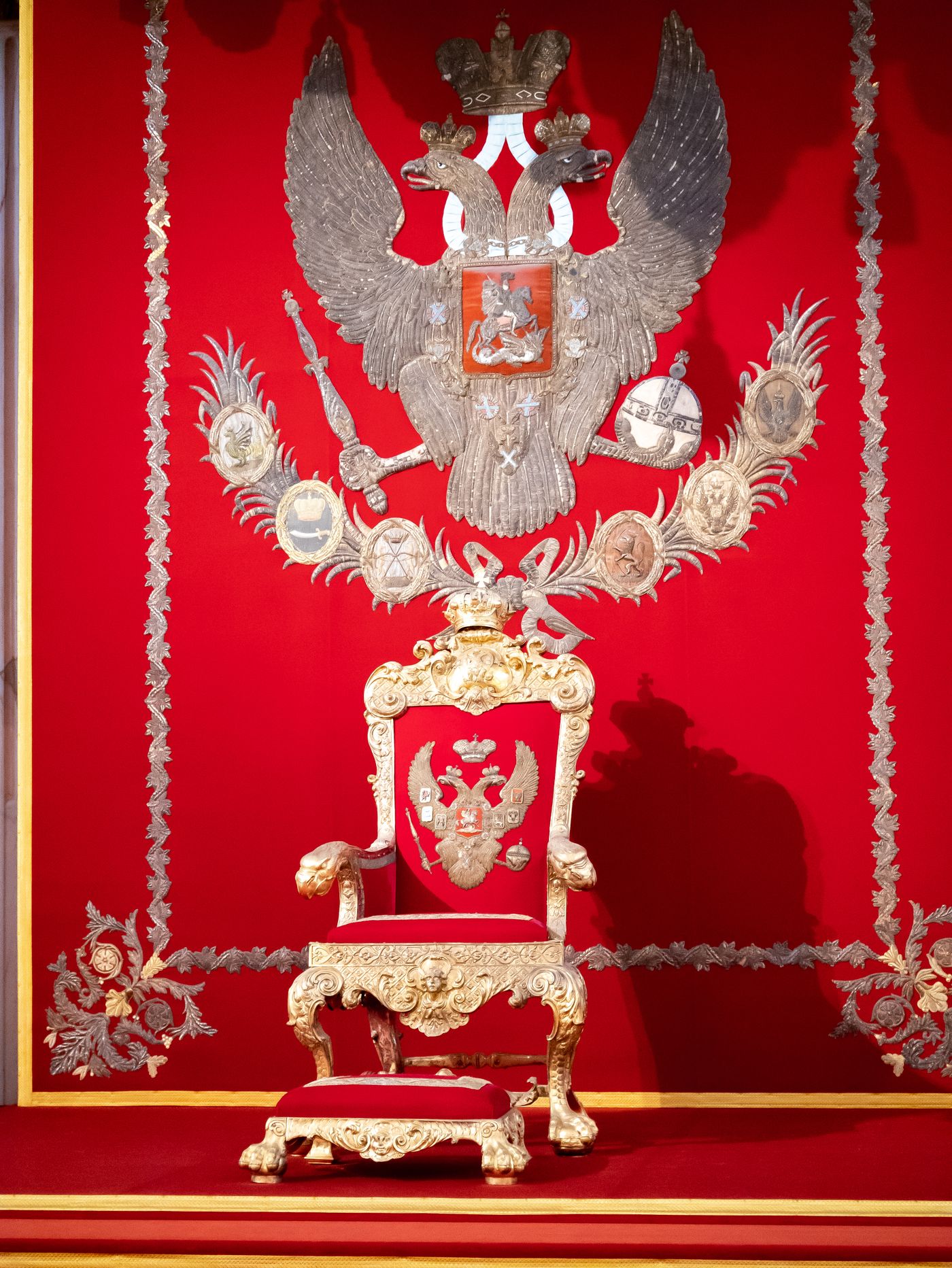
Authority needs an audience
The throne room does political work before anyone speaks. Its scale separates the ruler from petitioners, while the approach to the seat turns an ordinary movement into a public submission. A crown, guards and carefully arranged witnesses reinforce that relationship. Game of Thrones repeatedly shows authority being performed through a space rather than simply announced in dialogue.
The Iron Throne is an especially effective prop because it combines ceremony with visible violence. Its blades suggest that the royal position rests on conquest, not on a comfortable consensus. The chair is both an object of desire and an awkward place to inhabit. Its appearance complicates the fantasy that acquiring power will finally make a character secure.
Costume can make a claim
Royal clothing communicates changes that a speech might labour to explain. Formal dress can imply continuity with a dynasty, a break from it, mourning, military resolve or distance from ordinary life. These meanings are interpretive rather than a secret code with one guaranteed answer. They become persuasive when the costume is read alongside the scene's political circumstances.
Coronations likewise turn a contested claim into an apparent public fact. The ceremony assembles people who act as if the succession is settled. That performance can encourage further obedience, but it can also reveal its own limits. An audience may applaud from fear, habit or calculation. Visible agreement is not necessarily a reliable measure of private loyalty.
What happens when the room changes?
Compare a ruler receiving people in a grand hall with the same person negotiating outdoors, travelling or confronting an opponent without ceremonial protection. The loss of staging can expose which parts of their authority depend on institutions and which depend on personal persuasion. It also changes who may interrupt, approach or refuse them.
The finale's destruction of the throne supplies a forceful visual ending, but an object cannot contain every relationship it symbolises. Removing the chair does not by itself abolish hierarchy, violence or elite privilege. The image closes one story about kingship while leaving questions about government open. Reading the throne as performance helps preserve that distinction between a dramatic symbol and a functioning political system.
Royal spectacle creates recognition; it does not prove that recognition is voluntary or permanent.
Another angle on the story.
A Crown Is Not Consent: Why Legitimacy Keeps Breaking
Inheritance, victory and recognition offer different answers to the question of who may rule.
Read the essay
When an Oath Conflicts with Conscience
Promises give Westeros a moral vocabulary—and create obligations that cannot always coexist.
Read the essay
Grain Before Glory: The Politics of Hunger
Food supplies make the difference between possessing a city and being able to govern it.
Read the essay