Jaime Lannister: The Hand and the Oath
Losing the tool that defined him forces Jaime to confront the unstable relationship between reputation and conduct.
Spoiler scope: Game of Thrones, all eight seasons.
A name that ends the conversation
The label Kingslayer compresses a complicated event into a verdict. It tells other characters what they believe they need to know before Jaime can explain himself. His account of Aerys's final intentions does not erase his other wrongdoing, but it challenges the assumption that keeping an oath is always the more moral act.
The bathhouse conversation with Brienne works because it does not arrive as a public defence delivered to a court. It emerges through vulnerability. A person accustomed to controlling encounters through skill and sarcasm can no longer rely on either in quite the same way. The audience is asked to reconsider a judgement without being instructed to forget everything that preceded it.
Competence and identity
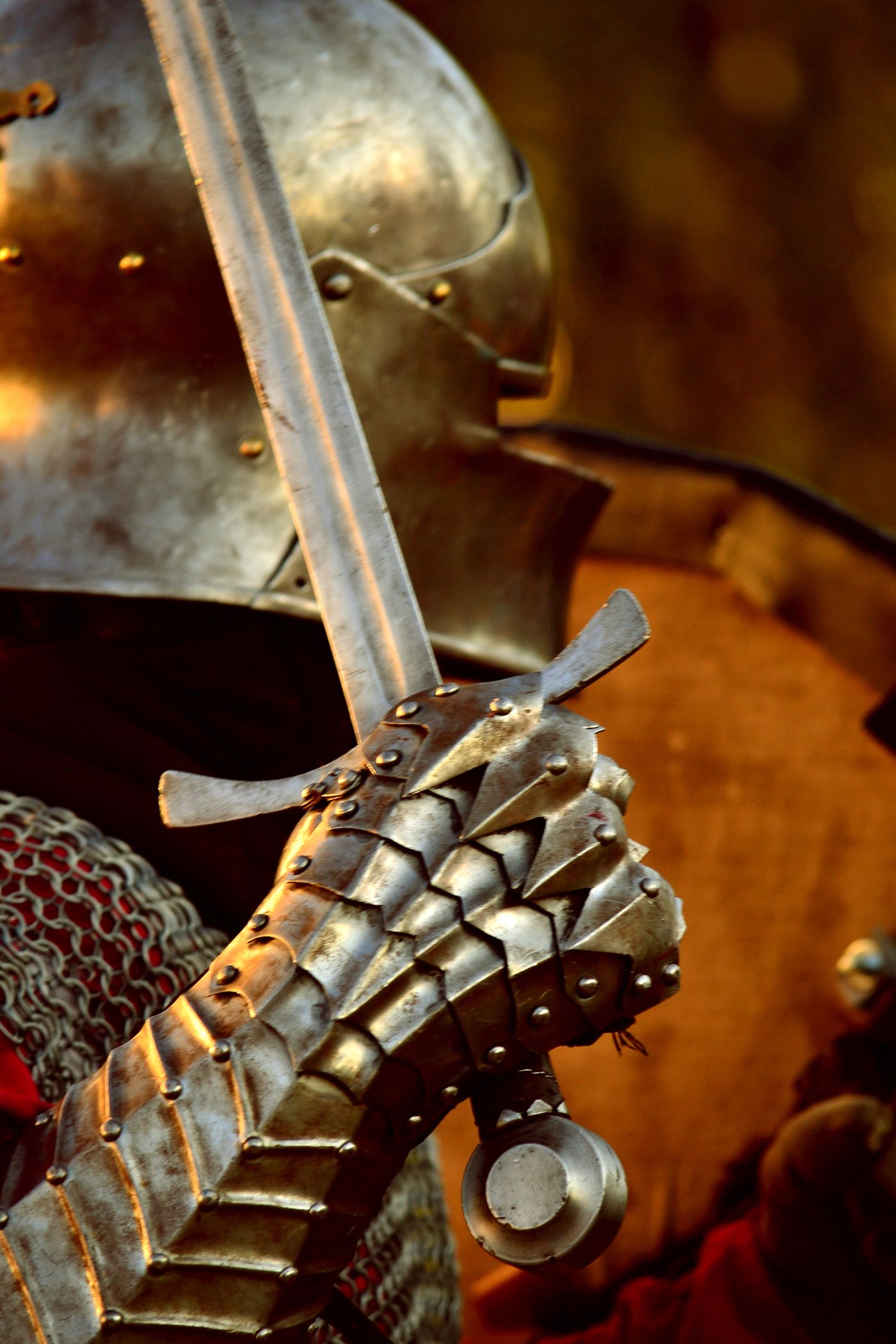
The loss of his sword hand is more than a reduction in fighting ability. It removes the activity through which he has most easily established worth. Training again is humiliating because it requires him to tolerate dependence and failure rather than simply perform excellence.
That change does not mechanically make him better. Injury is not a moral education by itself. The consequential question is what he does with the dependence it exposes. His relationship with Brienne creates opportunities to recognise honour in someone his social world dismisses and to act on that recognition.
Oathkeeper changes who can act
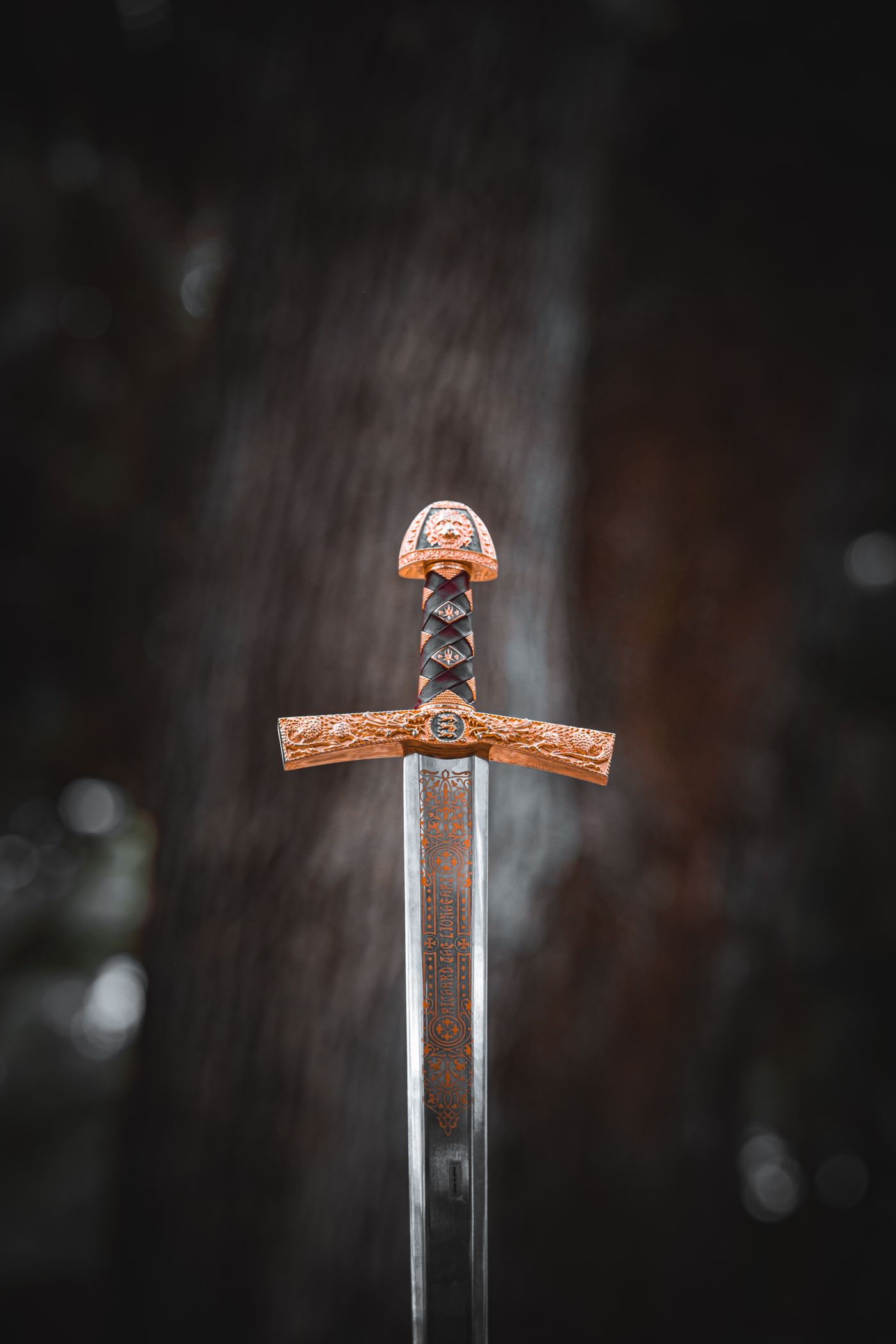
The sword Jaime gives Brienne makes an oath transferable without making it impersonal. He cannot personally fulfil every promise in the manner he imagines, but he can equip someone who intends to act. The gesture differs from using an agent merely to avoid responsibility: it recognises Brienne's judgement and gives her practical means to pursue the commitment.
The sword's origin also complicates the act. A weapon associated with the defeat of the Starks becomes part of an effort to protect Stark children. That does not undo the original violence or restore everything taken. It shows how an object can move into a new relationship of service without losing the history that makes the movement significant.
His return to rescue Brienne from the bear pit offers a related contrast between explanation and action. The bathhouse account asks her to reconsider what happened long ago. Returning for her places him at risk in the present. Neither moment alone supplies a complete moral verdict, but together they prevent his revised reputation from resting entirely on a sympathetic story he tells about himself.
The unresolved obligations at Riverrun
Riverrun tests any assumption that Jaime has simply exchanged his old identity for a better one. His encounter with Brienne places their mutual respect inside a conflict where they are working toward different immediate outcomes. Admiration does not dissolve their obligations, and familiarity does not make the military problem disappear.
His pressure on Edmure also demonstrates that the ability to recognise honour can coexist with coercive methods. Jaime can understand why Brienne acts as she does while using a threat against a family to secure a surrender. Reading the scene as proof that all his growth was false would be too simple; treating the threat as irrelevant would be equally evasive.
The point is that moral development is tested where it becomes expensive. Kindness toward someone he values is consequential, but it does not establish a general commitment to treat every vulnerable person similarly. The viewer has to keep asking how widely the lesson extends, especially when his family's interests are at stake.
An uneven path is still a path
Jaime's later choices resist a tidy redemption chart. Acts of courage and generosity coexist with attachments he cannot reliably escape. The television ending makes that inconsistency especially difficult for viewers who expected moral growth to produce a permanent change of destination.
It is possible to criticise the dramatic execution of that ending while still recognising a broader truth in the unevenness. Understanding one's failures does not guarantee freedom from them. Nor does a later failure necessarily make every earlier good act fraudulent.
For a useful rewatch, judge separate actions before assigning a final label to the whole person. Jaime's story begins with a title that closes discussion. Its strongest scenes reopen the discussion by distinguishing promises, intentions, reputation and the actual consequences of a choice.
Neither Kingslayer nor redeemed hero is a sufficient description of every choice Jaime makes.
Another angle on the story.
Ned Stark: Mercy Behind the Sword
His downfall is not simply a lesson that honour loses. It is a collision between public duty and the protection of children.
Read the essay
Catelyn Stark: A Mother's Bargain
Her decisions expose a political order that asks a family to behave like an army.
Read the essay
Sansa Stark: Clothing as a Form of Defence
Costume helps trace a journey from performing somebody else's story to choosing how authority should look.
Read the essay