House Targaryen: A Dragon Does Not Solve Succession
Extraordinary force can establish a dynasty without giving it a reliable method of transferring authority.
Spoiler scope: Game of Thrones, all eight seasons; general Targaryen history.
Founding power and governing power
The dragon gives Targaryen authority a striking visual shorthand. It suggests a difference in kind, not merely a larger army. Rivals must reckon with force that ordinary political calculations may not contain. That helps explain why the family's history exerts such pressure on people born long after its greatest victories.
Yet founding a regime and sustaining one are different problems. A weapon cannot decide which heir deserves authority, how rivals should be reconciled or what obligations a ruler owes subjects. Exceptional force can postpone those questions by discouraging opposition, but postponed questions remain inside the dynasty.
Bloodline as an argument
The claim that ancestry establishes a right to rule has emotional appeal because it makes history feel continuous. It also turns personal identity into a political resource that others may interpret differently from the person carrying it. Jon's revealed parentage in the television story illustrates that gap: a claim can become consequential even when its holder does not want to use it.
For Daenerys, the family name contains dispossession, expectation and a promised return. The same inheritance that supplies purpose can narrow the imaginable future. Restoring a dynasty may appear synonymous with correcting an injustice even when the people currently living in the realm have interests not exhausted by that restoration.
None of this makes every Targaryen psychologically identical. Treating heredity as a diagnosis merely repeats the dynasty's own habit of explaining too much through blood. Characters still make particular choices within particular circumstances.
Look beyond the creature
The most revealing questions concern the structures surrounding the dragon: who gives advice, who can refuse an order, and what happens when the ruler dies? These are less spectacular than flight or fire, but they determine whether political life can continue without catastrophe.
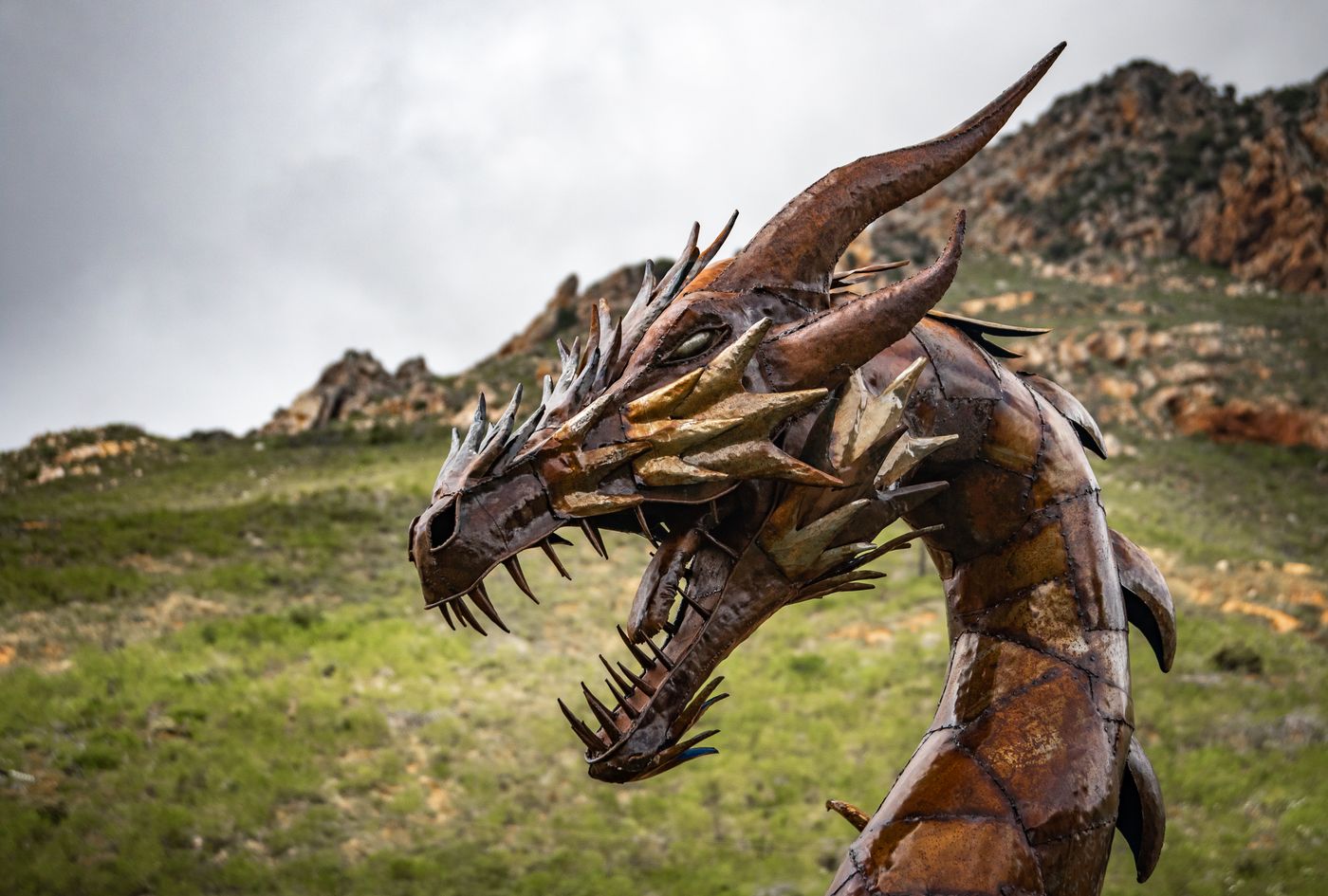
A dragon sculpture used to illustrate the house should therefore be understood as symbolic, not as a production image or a literal representation of a particular dragon.
The family's story invites fascination with exceptional power while repeatedly showing why a society needs arrangements that do not depend on it. Inheritance can preserve a name. It cannot, on its own, provide consent, wisdom or a peaceful succession.
Treat dragons as a source of force, not an answer to the institutional problems of a dynasty.
Another angle on the story.

House Stark: What the Wolf Leaves Out
The direwolf suggests solidarity, but Stark survival depends on people whose loyalties extend beyond the family name.
Read the essay
House Lannister: Gold Is Not the Same as Trust
A reputation for repayment creates leverage, but it cannot repair the relationships the family repeatedly damages.
Read the essay
House Baratheon: The Crown Split Three Ways
Robert, Stannis and Renly embody different claims about what makes a ruler legitimate.
Read the essay